

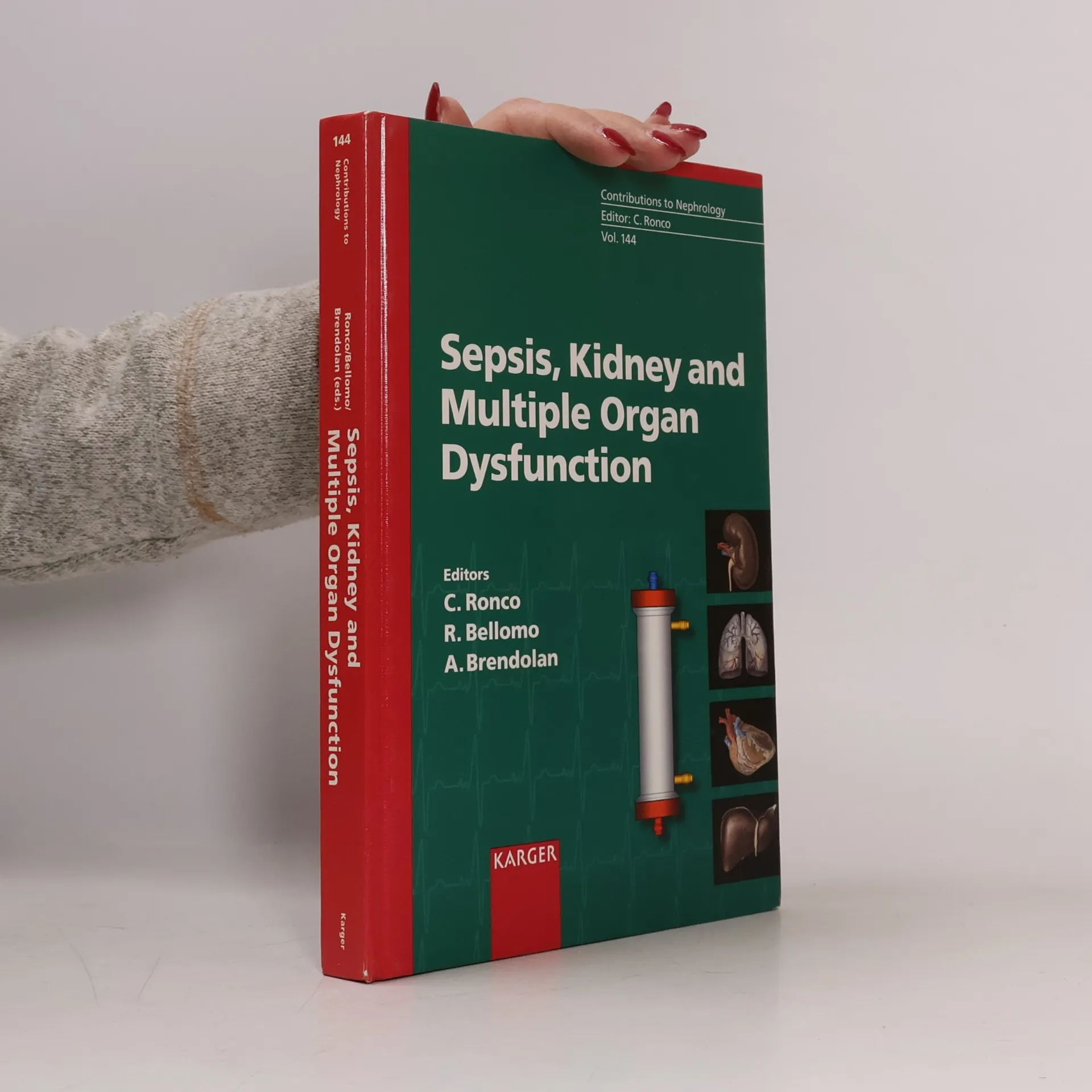


Contributions to Nephrology - 143: Sepsis, Kidney And Multiple Organ Dysfunction
Paramètres
- 404pages
- 15 heures de lecture
En savoir plus sur le livre
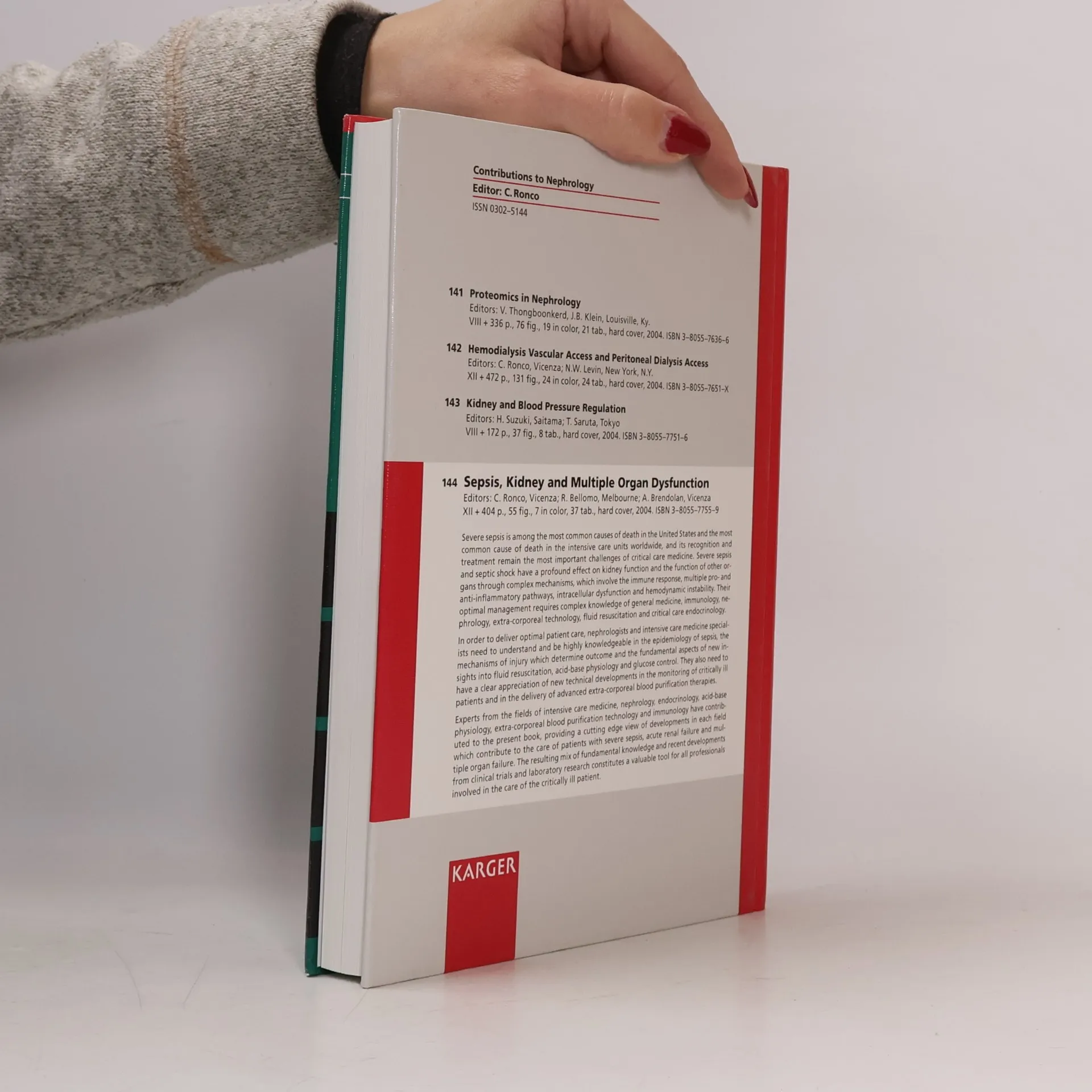
Severe sepsis is a leading cause of death in the U.S. and the most common cause of mortality in Intensive Care Units globally, presenting significant challenges in critical care medicine. It severely impacts kidney function and other organs through complex mechanisms involving the immune response, inflammatory pathways, intracellular dysfunction, and hemodynamic instability. Effective management necessitates a deep understanding of general medicine, immunology, nephrology, extra-corporeal technology, fluid resuscitation, and critical care endocrinology. Nephrologists and intensive care specialists must be well-versed in the epidemiology of sepsis, mechanisms of injury, and recent insights into fluid resuscitation, acid-base physiology, and glucose control. Familiarity with new monitoring techniques for critically ill patients and advanced extra-corporeal blood purification therapies is also essential. Contributions from experts in intensive care medicine, nephrology, endocrinology, and immunology provide a cutting-edge perspective on developments that enhance the care of patients facing severe sepsis, acute renal failure, and multiple organ failure. This synthesis of fundamental knowledge and recent clinical and laboratory advancements serves as a valuable resource for professionals dedicated to the care of critically ill patients.
Achat du livre
Contributions to Nephrology - 143: Sepsis, Kidney And Multiple Organ Dysfunction, Claudio Ronco, Rinaldo Bellomo, Alessandra Brendolan
- Langue

- Année de publication
- 2004,
- État du livre
- Bon
- Prix
- 42,99 €
Modes de paiement
Personne n'a encore évalué .
- Titre
- Contributions to Nephrology - 143: Sepsis, Kidney And Multiple Organ Dysfunction
- Langue
- Anglais
- Éditeur
- Karger
- Publié
- 2004
- Pages
- 404
- ISBN10
- 3805577559
- ISBN13
- 9783805577557
- Séries
- Mots clés
- Santé & Médecine, Science, Médecine, Littérature spécialisée, Europe de l'Ouest, Soins infirmiers, aide-soignants, Fondements, Biochimie, Prévention, Pathologie, Néphrologie
- Description
- Severe sepsis is a leading cause of death in the U.S. and the most common cause of mortality in Intensive Care Units globally, presenting significant challenges in critical care medicine. It severely impacts kidney function and other organs through complex mechanisms involving the immune response, inflammatory pathways, intracellular dysfunction, and hemodynamic instability. Effective management necessitates a deep understanding of general medicine, immunology, nephrology, extra-corporeal technology, fluid resuscitation, and critical care endocrinology. Nephrologists and intensive care specialists must be well-versed in the epidemiology of sepsis, mechanisms of injury, and recent insights into fluid resuscitation, acid-base physiology, and glucose control. Familiarity with new monitoring techniques for critically ill patients and advanced extra-corporeal blood purification therapies is also essential. Contributions from experts in intensive care medicine, nephrology, endocrinology, and immunology provide a cutting-edge perspective on developments that enhance the care of patients facing severe sepsis, acute renal failure, and multiple organ failure. This synthesis of fundamental knowledge and recent clinical and laboratory advancements serves as a valuable resource for professionals dedicated to the care of critically ill patients.