

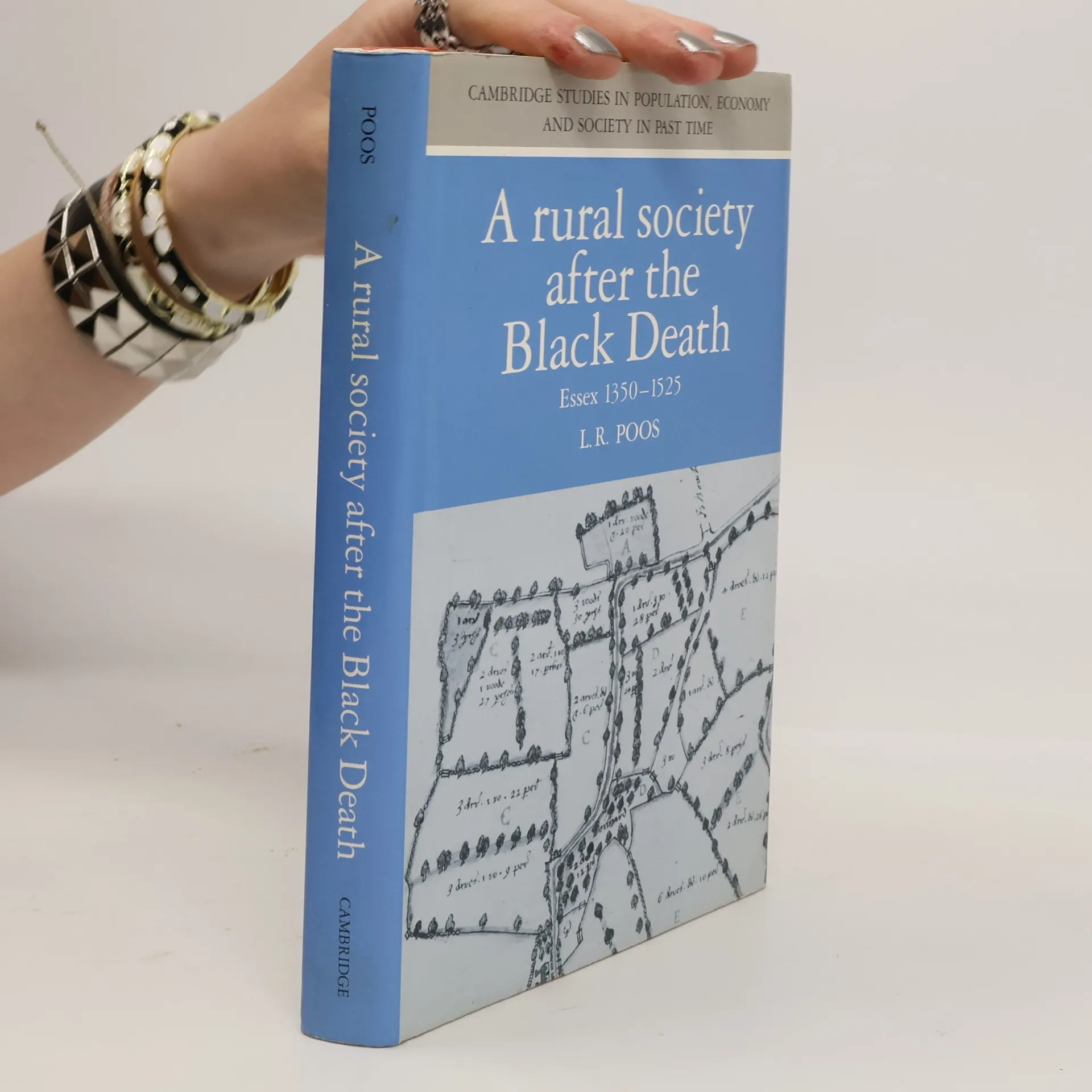
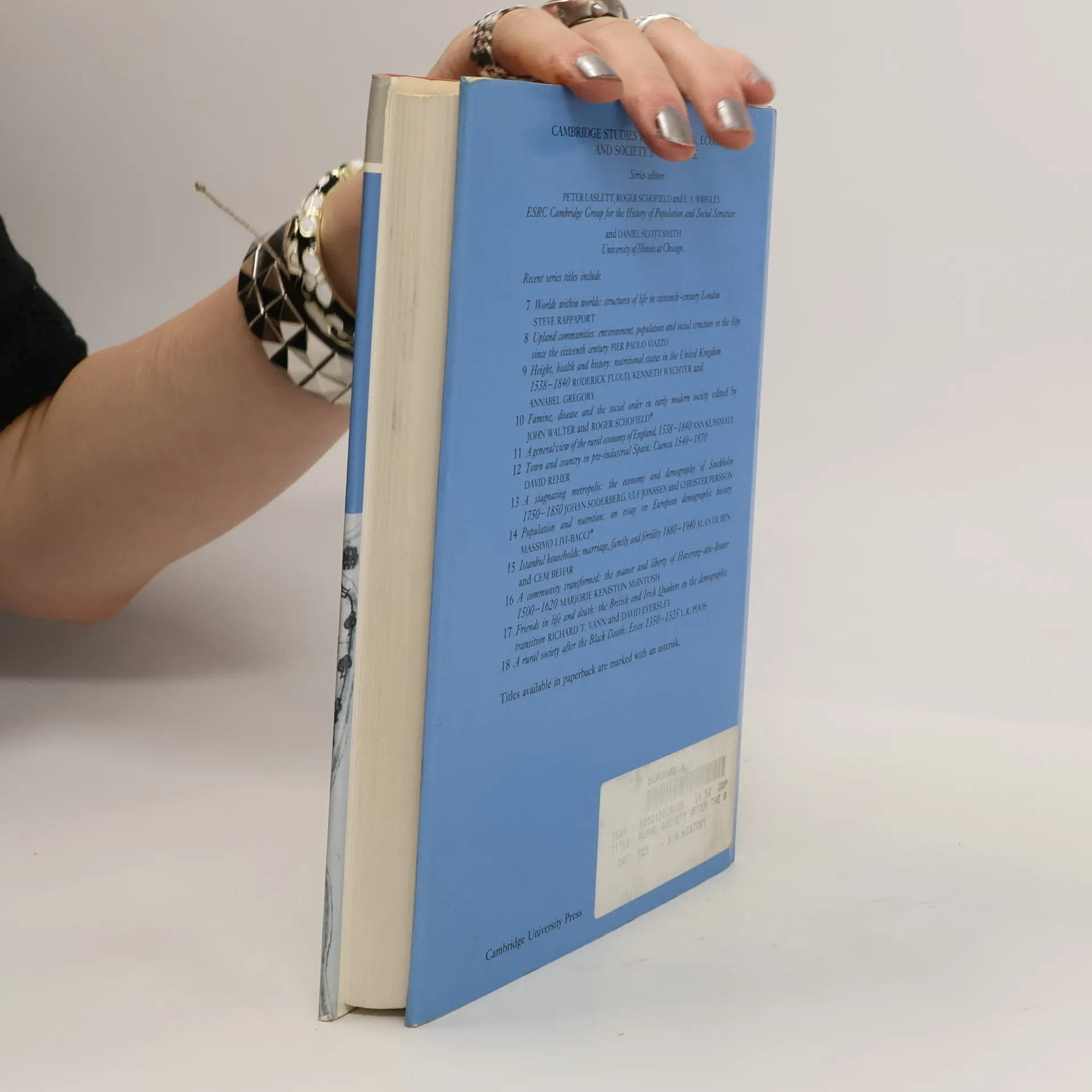
Cambridge Studies in Population, Economy, and Society in Past Time: A Rural Society after the Black Death
Essex 1350–1525
Auteurs
En savoir plus sur le livre
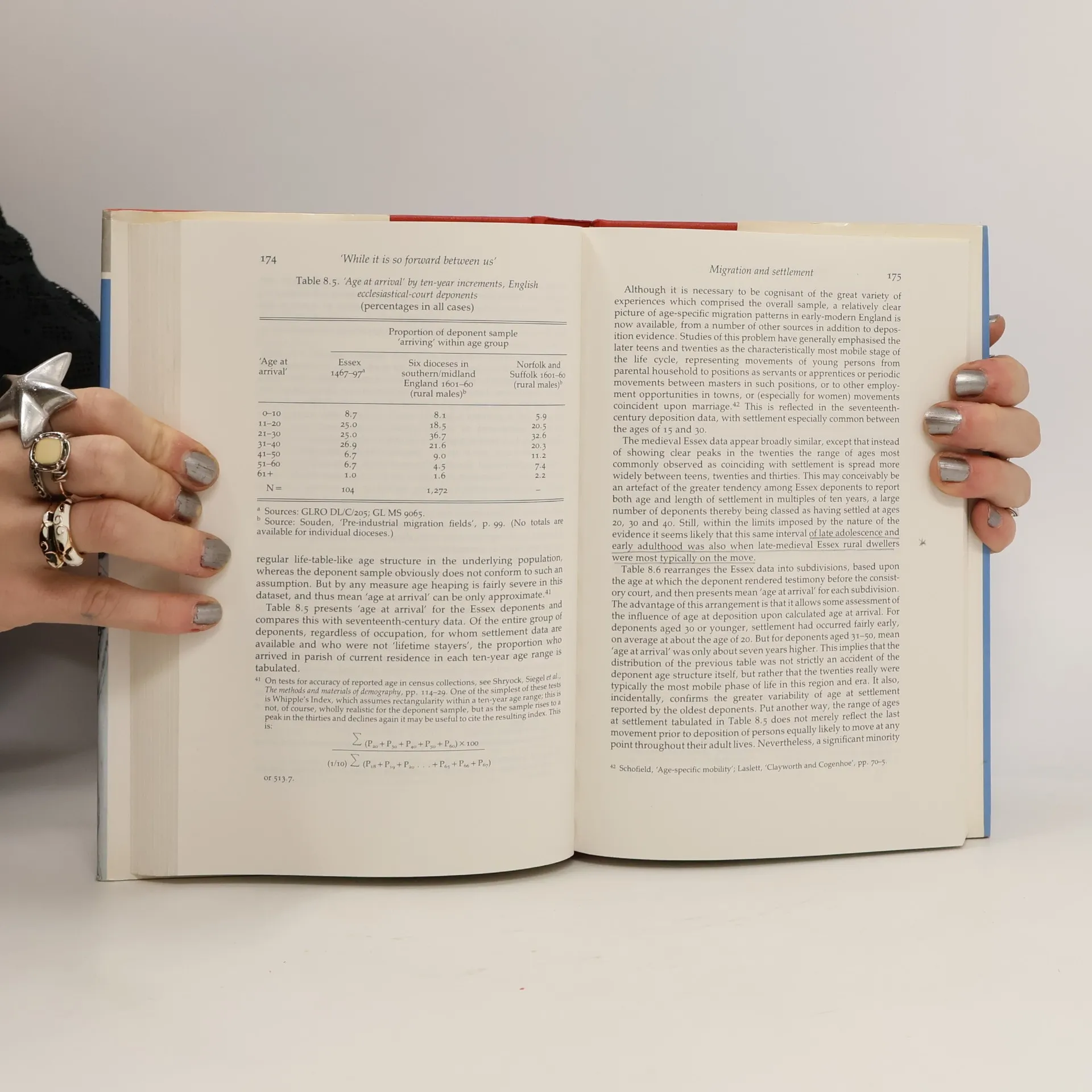
A Rural Society after the Black Death is a study of rural social structure in the English county of Essex between 1350 and 1500. It seeks to understand how, in the population collapse after the Black Death (1348 1349), a particular economic environment affected ordinary people's lives in the areas of migration, marriage and employment, and also contributed to patterns of religious nonconformity, agrarian riots and unrest, and even rural housing. The period under scrutiny is often seen as a transitional era between 'medieval' and 'early-modern' England, but in the light of recent advances in English historical demography, this study suggests that there was more continuity than change in some critically important aspects of social structure in the region in question. Among the most important contributions of the book are its use of an unprecedentedly wide range of original manuscript records (estate and manorial records, taxation and criminal-court records, royal tenurial records, and the records of church courts, wills etc.) and its application of current quantitative and comparative demographic methods."
Achat du livre
Cambridge Studies in Population, Economy, and Society in Past Time: A Rural Society after the Black Death, Lawrence R. Poos
- Langue

- Année de publication
- 1991
- Reliure
- (rigide),
- État du livre
- Bon
- Prix
- 67,99 €
Modes de paiement
Personne n'a encore évalué .
- Titre
- Cambridge Studies in Population, Economy, and Society in Past Time: A Rural Society after the Black Death
- Sous-titre
- Essex 1350–1525
- Langue
- Anglais
- Auteurs
- Lawrence R. Poos
- Éditeur
- Cambridge University Press
- Publié
- 1991
- Format
- rigide
- Pages
- 347
- ISBN10
- 0521382602
- ISBN13
- 9780521382601
- Séries
- Mots clés
- Thème historique, Europe, Angleterre, Grande-Bretagne, Moyen Âge, Histoire sociale, Conditions Sociales
- Description
- A Rural Society after the Black Death is a study of rural social structure in the English county of Essex between 1350 and 1500. It seeks to understand how, in the population collapse after the Black Death (1348 1349), a particular economic environment affected ordinary people's lives in the areas of migration, marriage and employment, and also contributed to patterns of religious nonconformity, agrarian riots and unrest, and even rural housing. The period under scrutiny is often seen as a transitional era between 'medieval' and 'early-modern' England, but in the light of recent advances in English historical demography, this study suggests that there was more continuity than change in some critically important aspects of social structure in the region in question. Among the most important contributions of the book are its use of an unprecedentedly wide range of original manuscript records (estate and manorial records, taxation and criminal-court records, royal tenurial records, and the records of church courts, wills etc.) and its application of current quantitative and comparative demographic methods."