

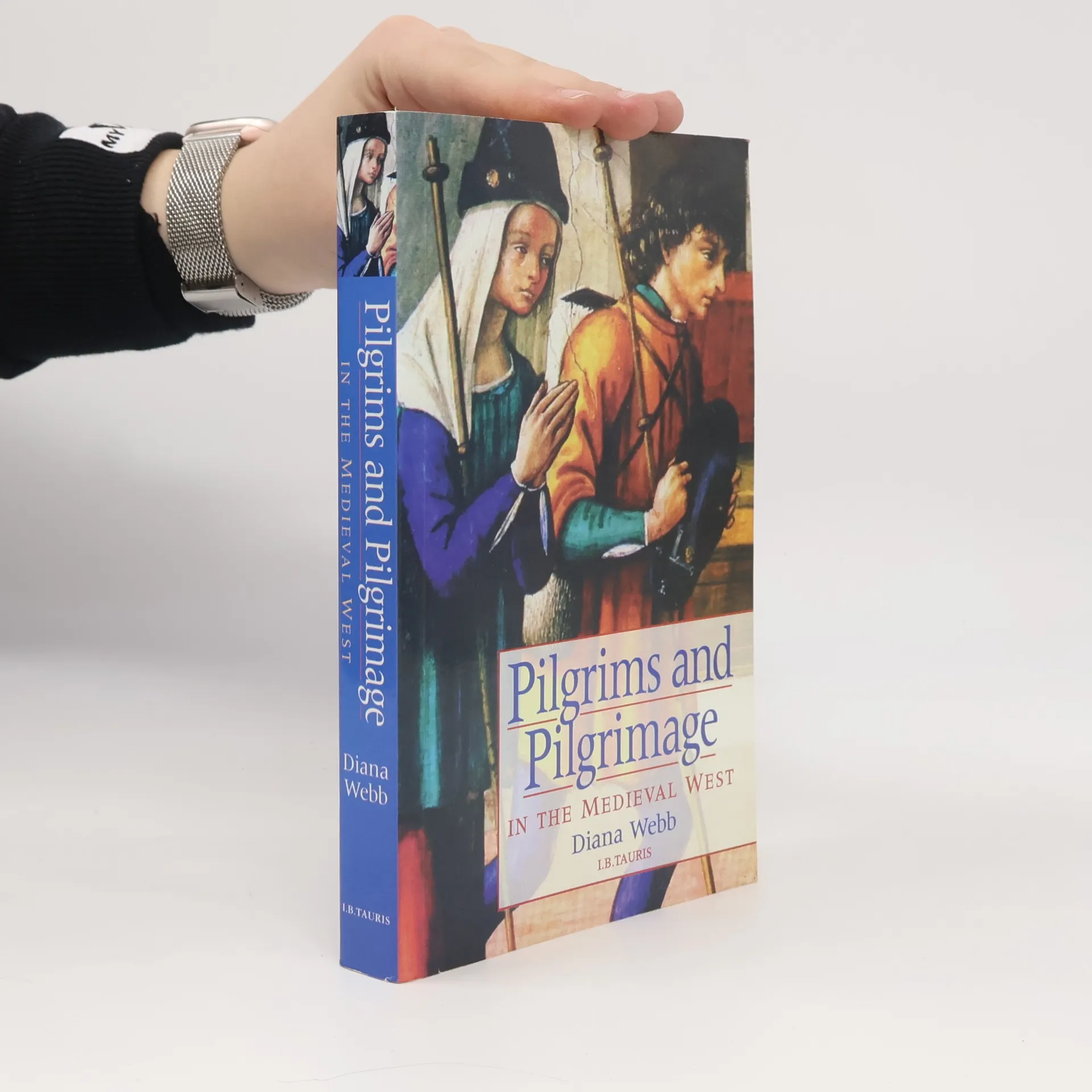
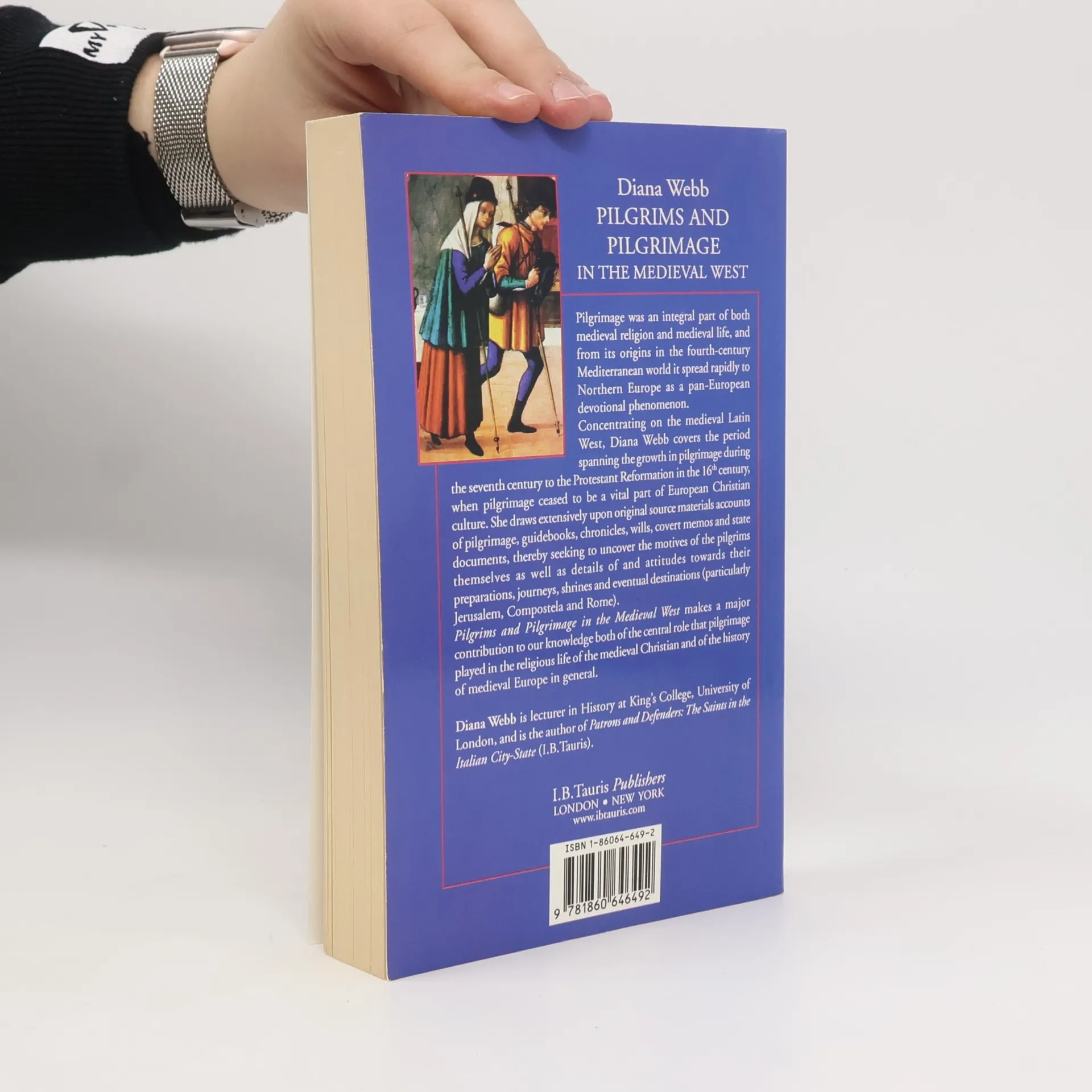

Pilgrims and Pilgrimage in the Medieval West
Auteurs
Paramètres
- 304pages
- 11 heures de lecture
En savoir plus sur le livre
Pilgrimage was an integral part of both medieval religion and medieval life, and from its origins in the fourth-century Mediterranean world it spread rapidly to Northern Europe as a pan-European devotional phenomenon. Concentrating on the medieval Latin West, this book covers the period spanning the growth in pilgrimage during the seventh century to the Protestant Reformation in the 16-century, when pilgrimage ceased to be a vital part of European Christian culture. It draws extensively upon original source materials accounts of pilgrimage, guidebooks, chronicles, wills, covert memos, and state documents, thereby seeking to uncover the motives of the pilgrims themselves as well as details of and attitudes towards their preparations, journeys, shrines, and eventual destinations (particularly Jerusalem, Compostela, and Rome).
Achat du livre
Pilgrims and Pilgrimage in the Medieval West, Diana Webb
- Langue

- Année de publication
- 2001
- Reliure
- (souple),
- État du livre
- Bon
- Prix
- 16,99 €
Modes de paiement
Personne n'a encore évalué .
- Titre
- Pilgrims and Pilgrimage in the Medieval West
- Langue
- Anglais
- Auteurs
- Diana Webb
- Éditeur
- I.B. Tauris
- Publié
- 2001
- Format
- souple
- Pages
- 304
- ISBN10
- 1860646492
- ISBN13
- 9781860646492
- Séries
- Catégories
- Mots clés
- Europe, Littérature spécialisée, Église catholique, Éthique, Histoire de l'Église, Histoire sociale, Histoire des religions, Sciences humaines, Études religieuses
- Description
- Pilgrimage was an integral part of both medieval religion and medieval life, and from its origins in the fourth-century Mediterranean world it spread rapidly to Northern Europe as a pan-European devotional phenomenon. Concentrating on the medieval Latin West, this book covers the period spanning the growth in pilgrimage during the seventh century to the Protestant Reformation in the 16-century, when pilgrimage ceased to be a vital part of European Christian culture. It draws extensively upon original source materials accounts of pilgrimage, guidebooks, chronicles, wills, covert memos, and state documents, thereby seeking to uncover the motives of the pilgrims themselves as well as details of and attitudes towards their preparations, journeys, shrines, and eventual destinations (particularly Jerusalem, Compostela, and Rome).