

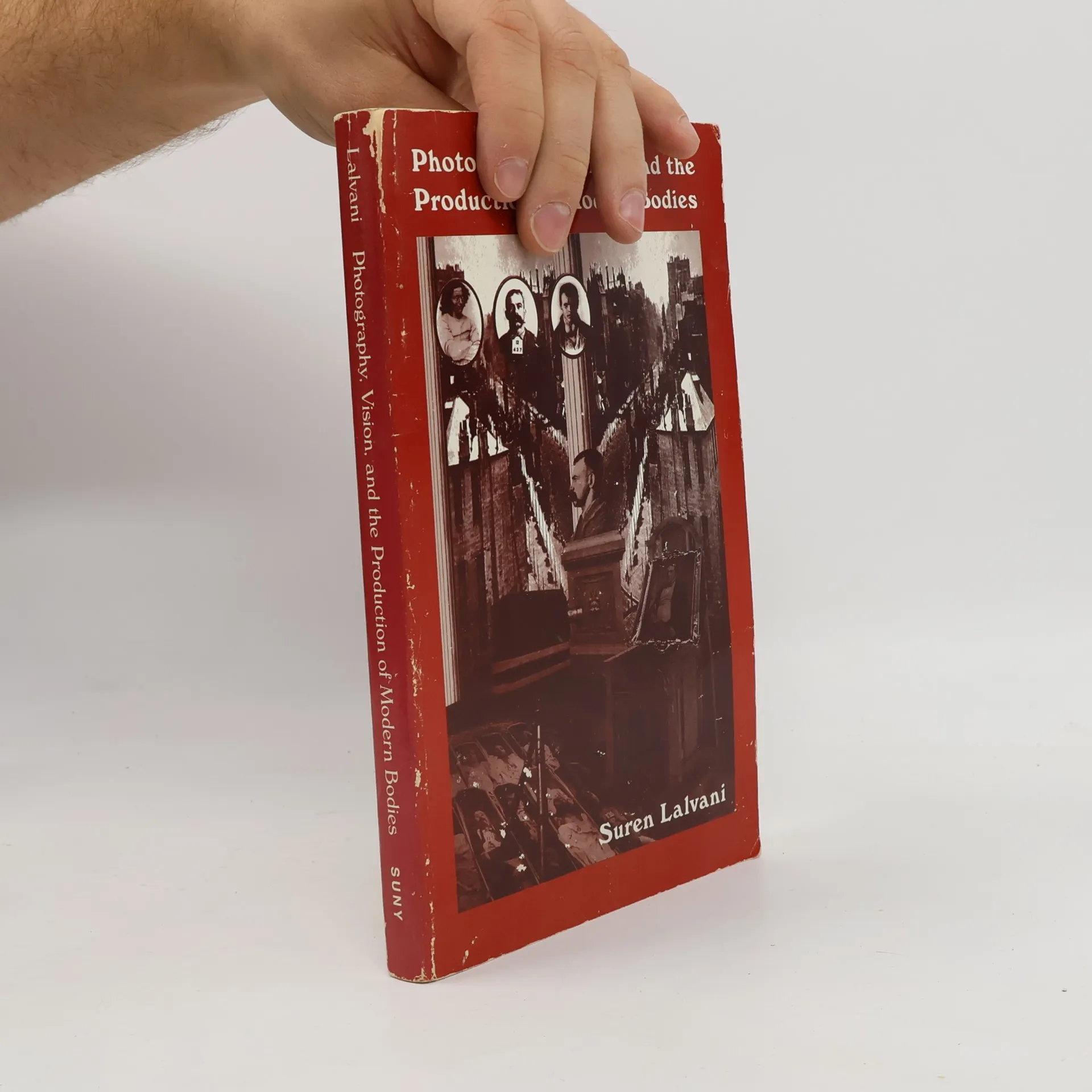
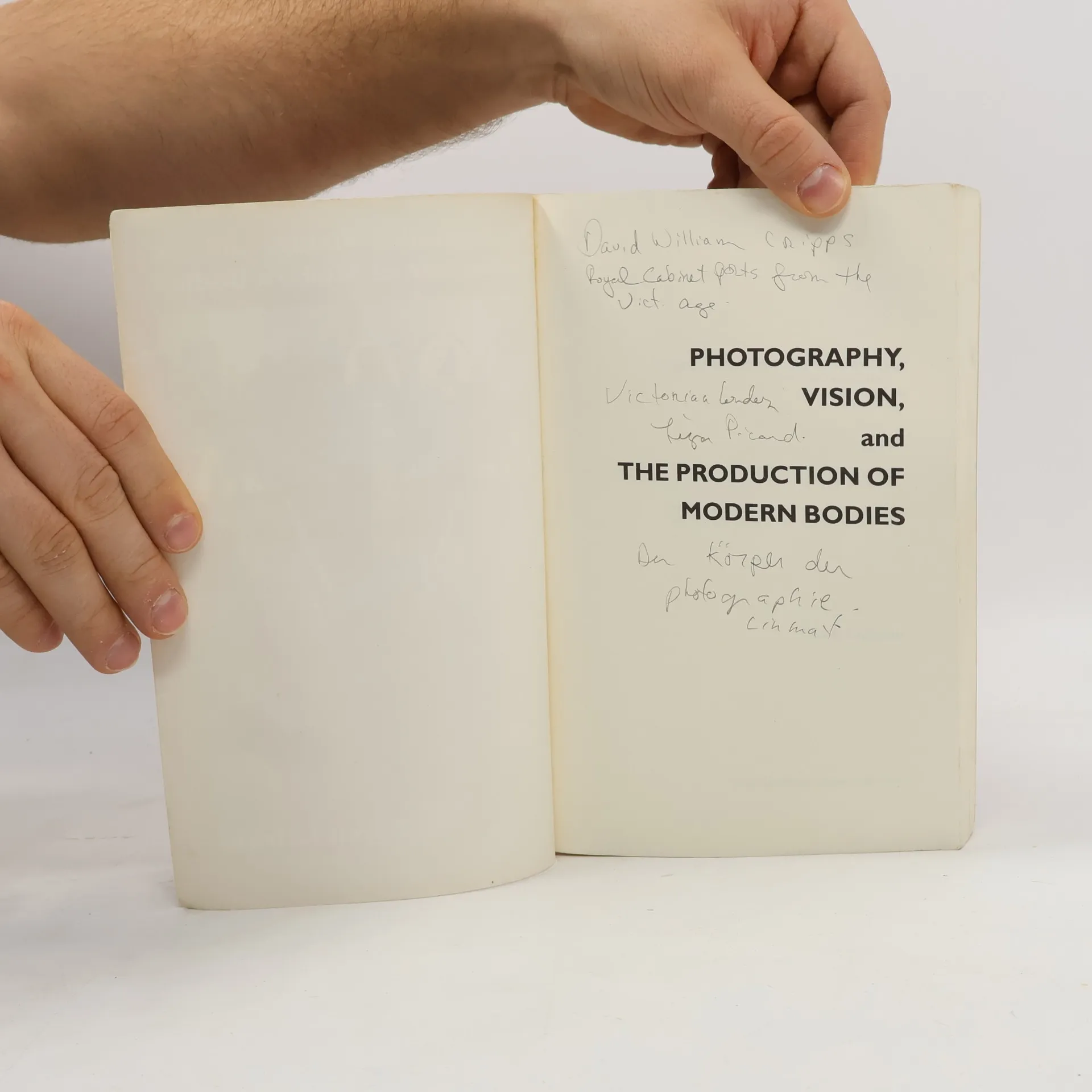

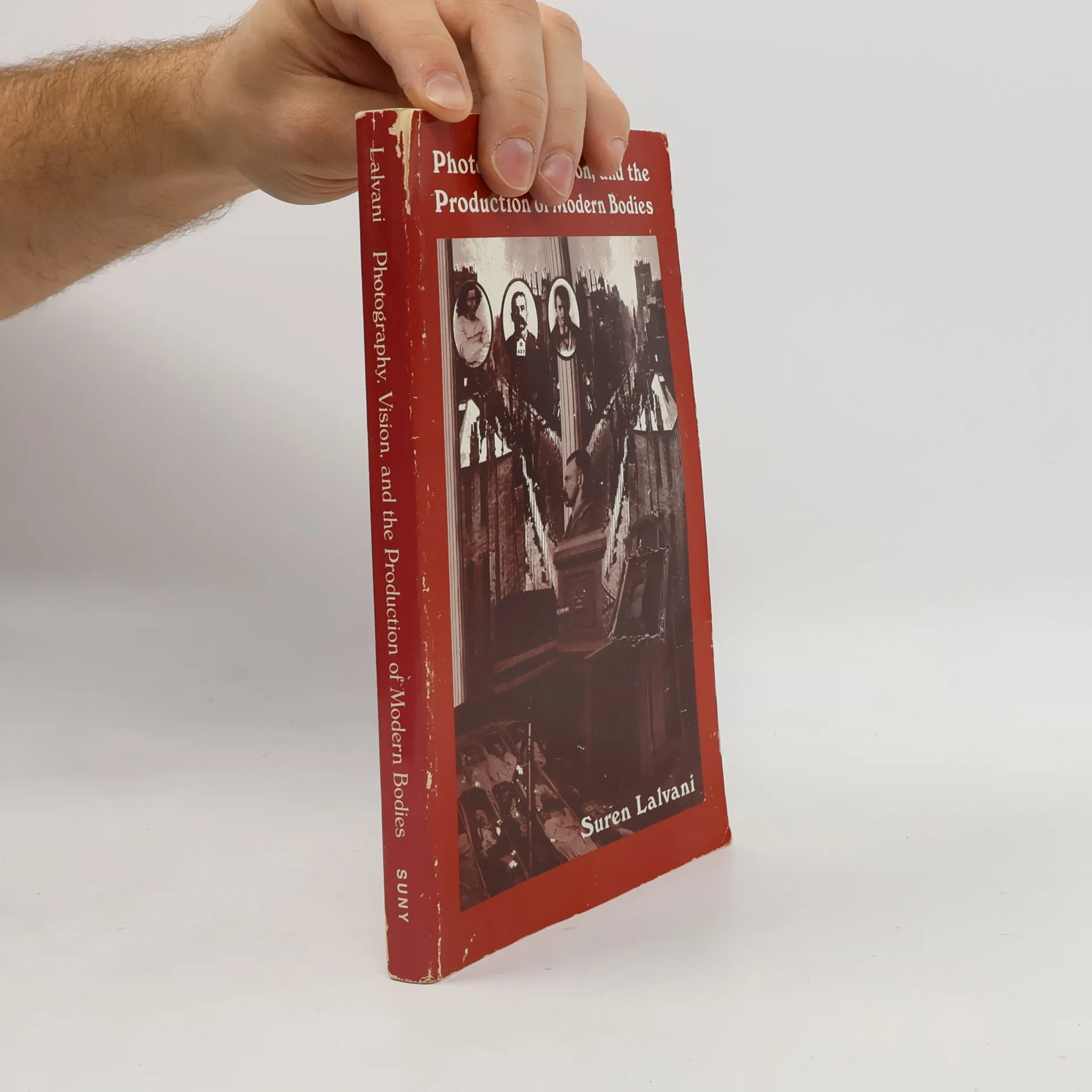

Suny Series, Interruptions: Photography, Vision, and the Production of Modern Bodies
Border Testimony(Ies) and Critical Discourse/S
Auteurs
En savoir plus sur le livre
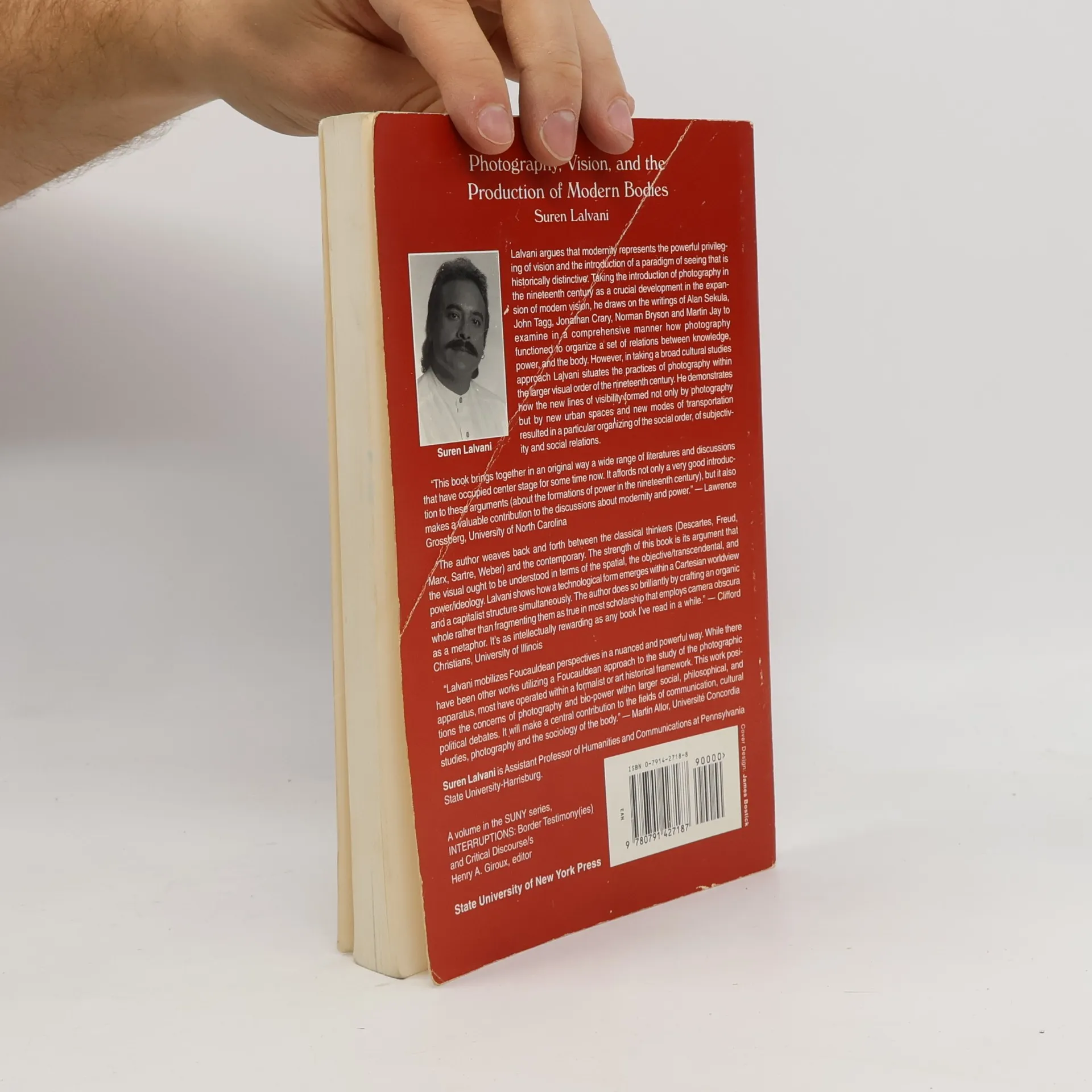
Examines photography and its contribution to changing notions of the body in modernity. Lalvani argues that modernity represents the powerful privileging of vision and the introduction of a paradigm of seeing that is historically distinctive. Taking the introduction of photography in the nineteenth century as a crucial development in the expansion of modern vision, he draws on the writings of Alan Sekula, John Tagg, Jonathan Crary, Norman Bryson and Martin Jay to examine in a comprehensive manner how photography functioned to organize a set of relations between knowledge, power, and the body. However, in taking a broad cultural studies approach Lalvani situates the practices of photography within the larger visual order of the nineteenth century. He demonstrates how the new lines of visibility formed not only by photography but by new urban spaces and new modes of transportation resulted in a particular organizing of the social order, of subjectivity and social relations.
Achat du livre
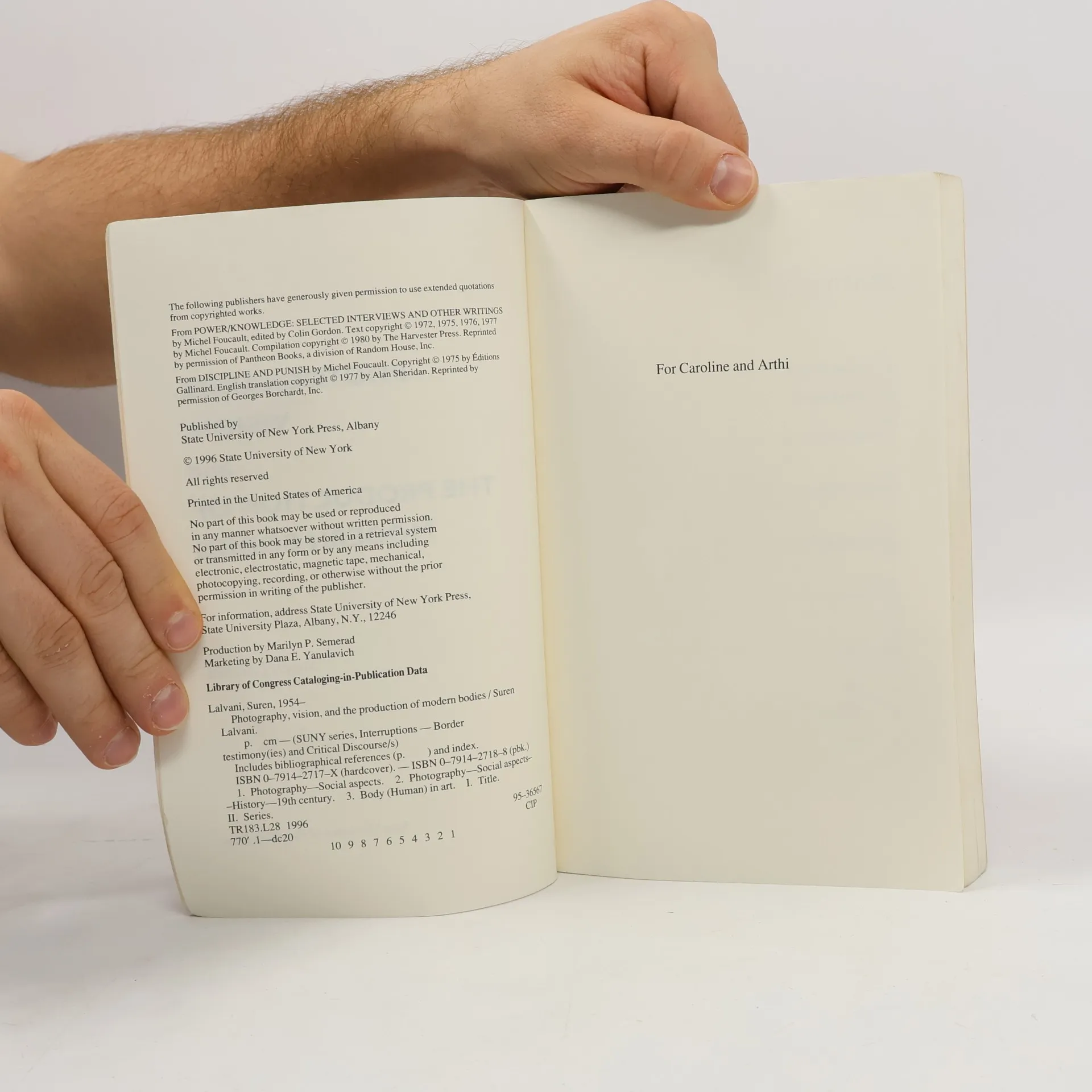
Suny Series, Interruptions: Photography, Vision, and the Production of Modern Bodies, Suren Lalvani
- Langue

- Année de publication
- 1996
- Reliure
- (souple),
- État du livre
- Abîmé
- Prix
- 6,09 €
Modes de paiement
Personne n'a encore évalué .
- Titre
- Suny Series, Interruptions: Photography, Vision, and the Production of Modern Bodies
- Sous-titre
- Border Testimony(Ies) and Critical Discourse/S
- Langue
- Anglais
- Auteurs
- Suren Lalvani
- Publié
- 1996
- Format
- souple
- Pages
- 286
- ISBN10
- 0791427188
- ISBN13
- 9780791427187
- Séries
- Catégories
- Mots clés
- États-Unis, 19e siècle, Pop culture, Aspects sociaux
- Description
- Examines photography and its contribution to changing notions of the body in modernity. Lalvani argues that modernity represents the powerful privileging of vision and the introduction of a paradigm of seeing that is historically distinctive. Taking the introduction of photography in the nineteenth century as a crucial development in the expansion of modern vision, he draws on the writings of Alan Sekula, John Tagg, Jonathan Crary, Norman Bryson and Martin Jay to examine in a comprehensive manner how photography functioned to organize a set of relations between knowledge, power, and the body. However, in taking a broad cultural studies approach Lalvani situates the practices of photography within the larger visual order of the nineteenth century. He demonstrates how the new lines of visibility formed not only by photography but by new urban spaces and new modes of transportation resulted in a particular organizing of the social order, of subjectivity and social relations.