


Crime de la Crime: Een klop op de deur
Auteurs
En savoir plus sur le livre
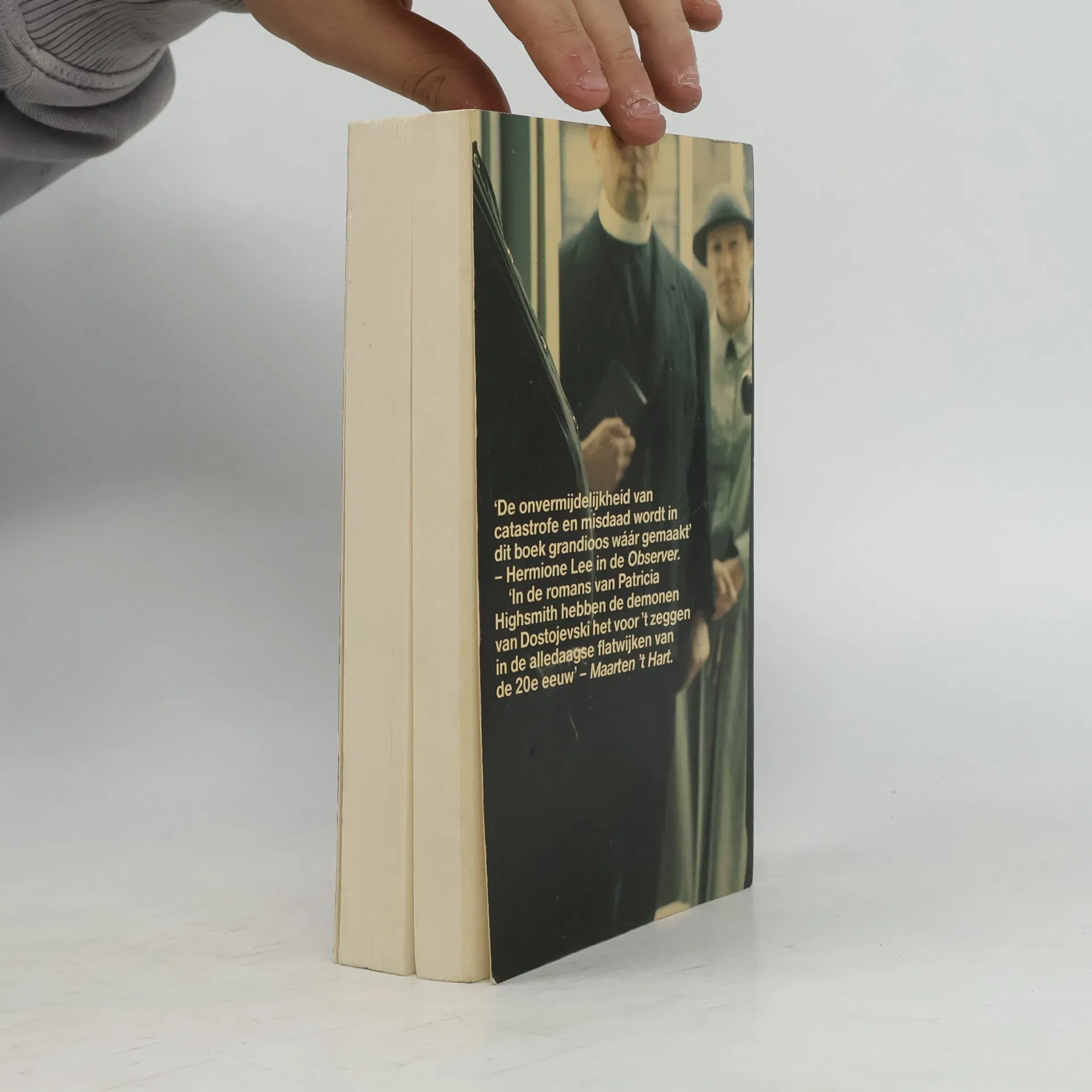
With the savage humor of Evelyn Waugh and the macabre sensibility of Edgar Allan Poe, Patricia Highsmith brought a distinct twentieth-century acuteness to her prolific body of fiction. In her more than twenty novels, psychopaths lie in wait amid the milieu of the mundane, in the neighbor clipping the hedges or the spouse asleep next to you at night. <p>Now, Norton continues the revival of this noir genius with another of her lost masterpieces: a later work from 1983, <i>People Who Knock on the Door</i>, is a tale about blind faith and the slippery notion of justice that lies beneath the peculiarly American veneer of righteousness. This novel, out of print for years, again attests to Highsmith's reputation as "the poet of apprehension" (Graham Greene).</p>
Achat du livre
Crime de la Crime: Een klop op de deur, Patricia Highsmith
- Langue

- Année de publication
- 1984
- Reliure
- (souple),
- État du livre
- Bon
- Prix
- 6,09 €
Modes de paiement
Personne n'a encore évalué .
- Titre
- Crime de la Crime: Een klop op de deur
- Langue
- Néerlandais
- Auteurs
- Patricia Highsmith
- Éditeur
- Arbeiderspers
- Publié
- 1984
- Format
- souple
- Pages
- 372
- ISBN10
- 9029519282
- ISBN13
- 9789029519281
- Séries
- Catégories
- Mots clés
- Polars, Suspense, Littérature américaine, Criminalité, Noir
- Description
- With the savage humor of Evelyn Waugh and the macabre sensibility of Edgar Allan Poe, Patricia Highsmith brought a distinct twentieth-century acuteness to her prolific body of fiction. In her more than twenty novels, psychopaths lie in wait amid the milieu of the mundane, in the neighbor clipping the hedges or the spouse asleep next to you at night. <p>Now, Norton continues the revival of this noir genius with another of her lost masterpieces: a later work from 1983, <i>People Who Knock on the Door</i>, is a tale about blind faith and the slippery notion of justice that lies beneath the peculiarly American veneer of righteousness. This novel, out of print for years, again attests to Highsmith's reputation as "the poet of apprehension" (Graham Greene).</p>