

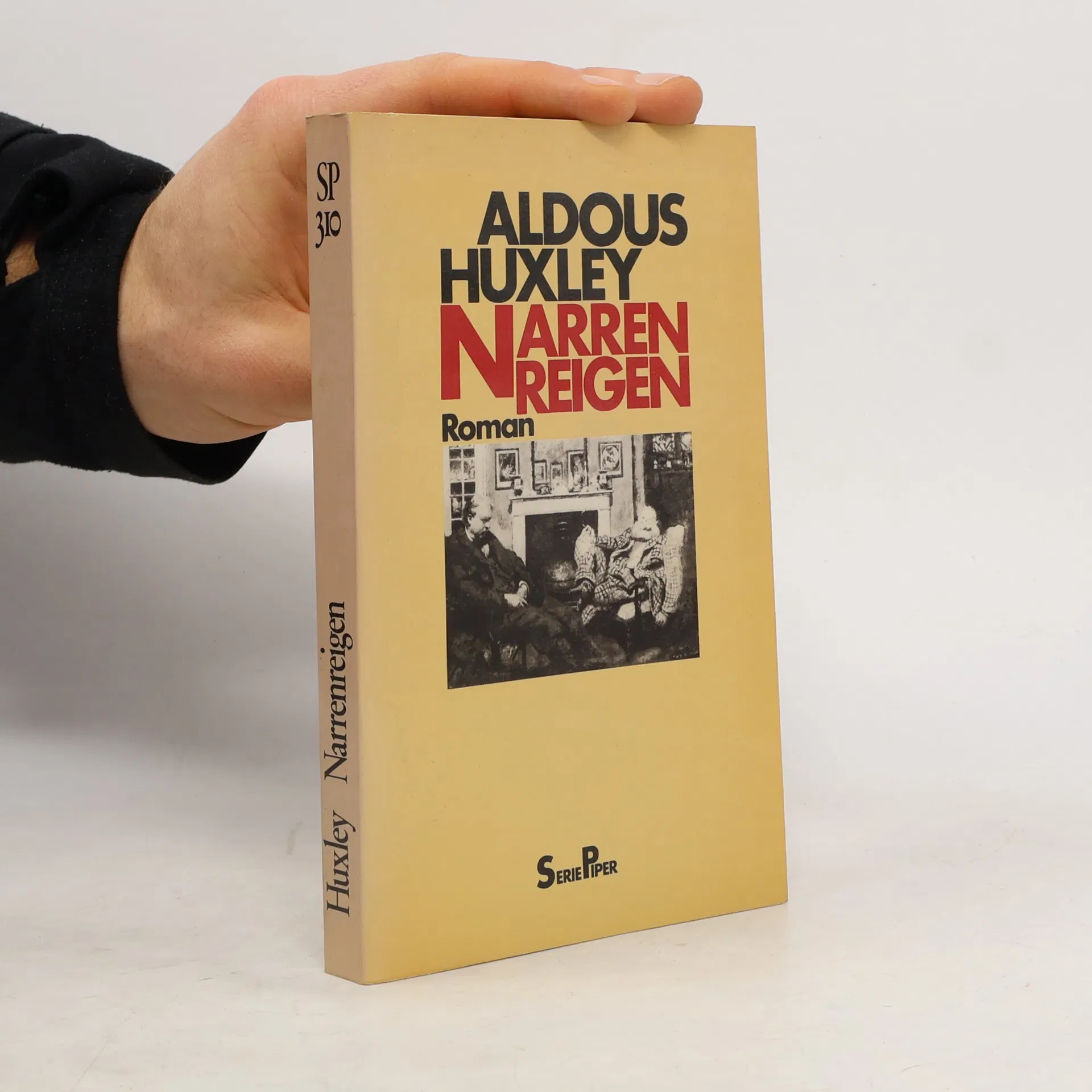
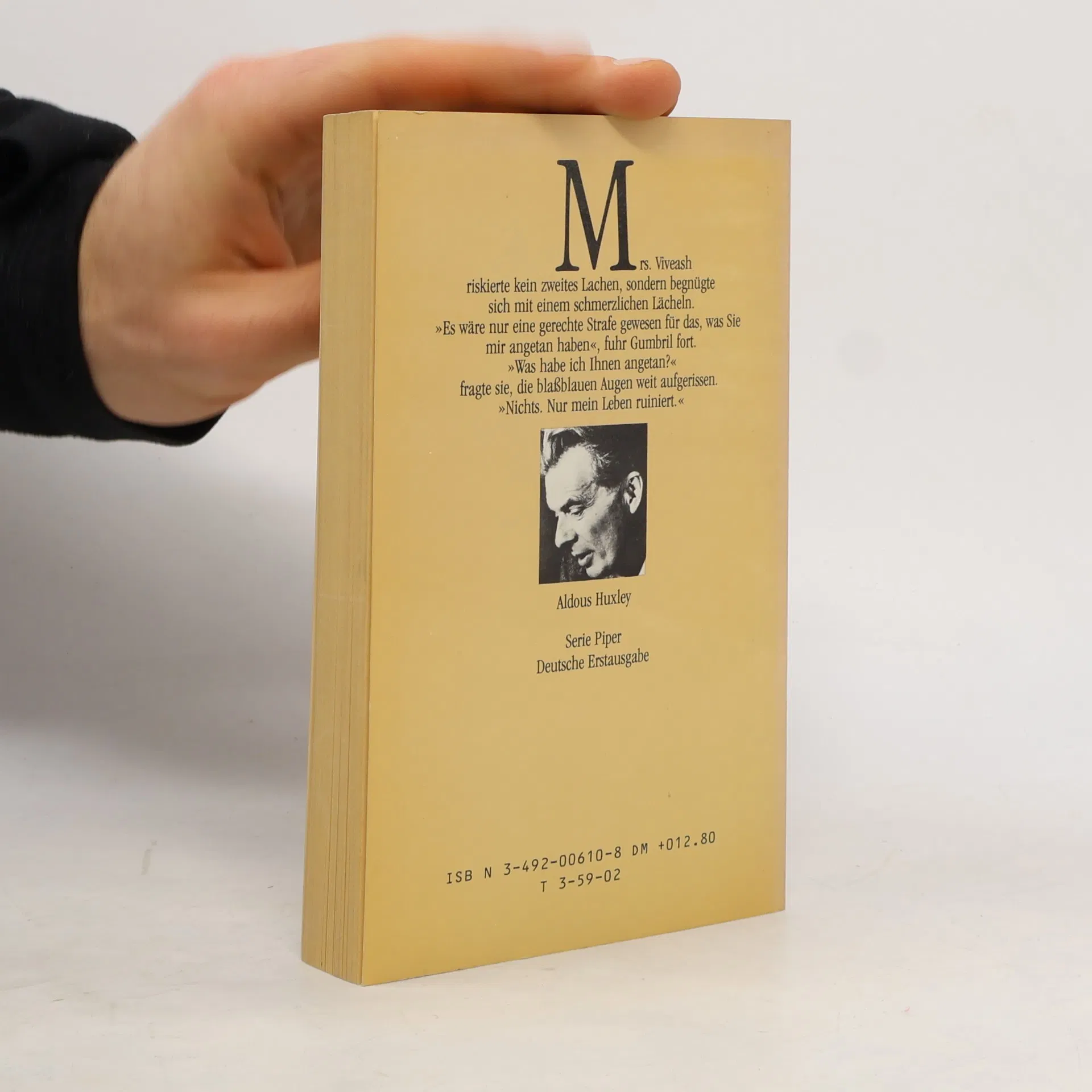
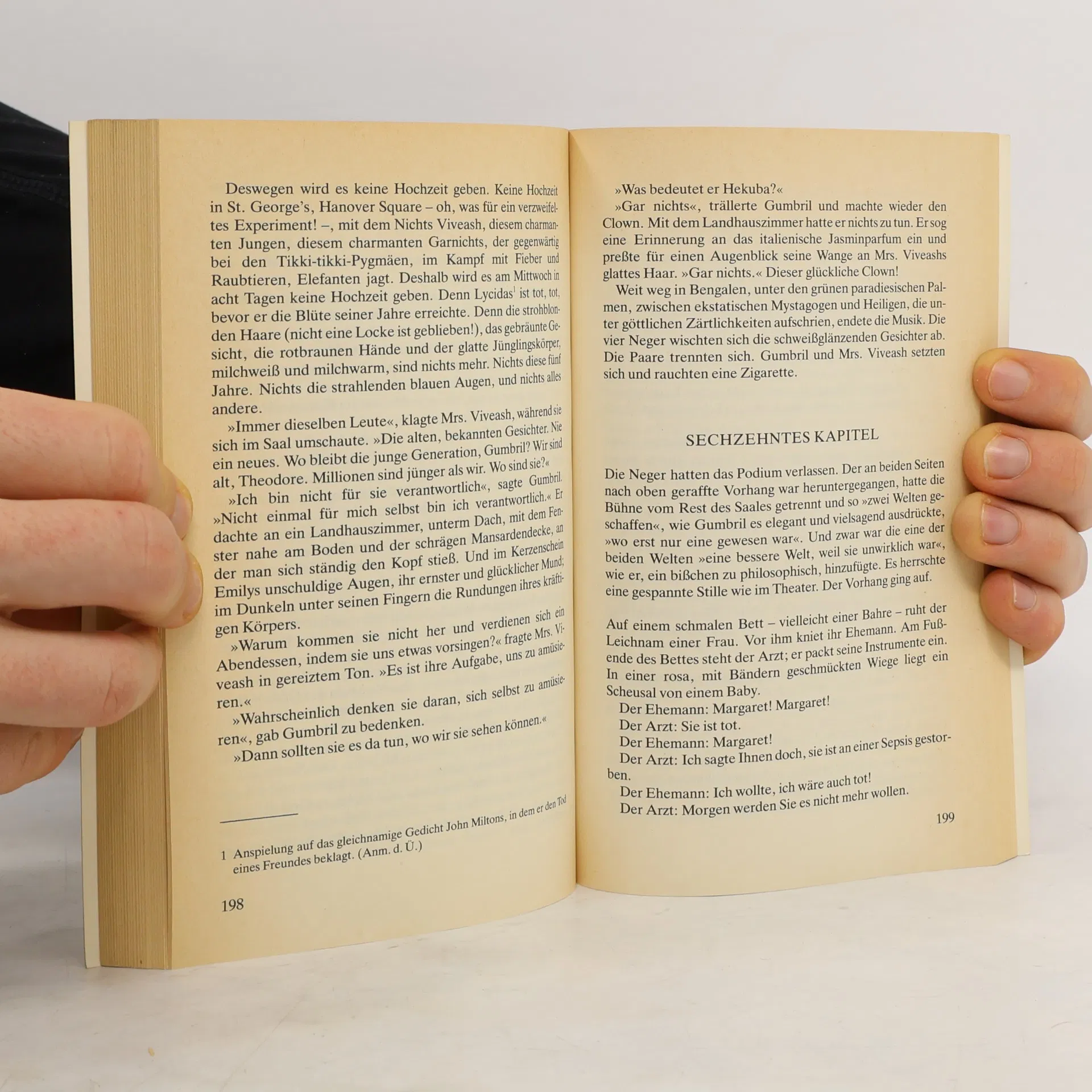
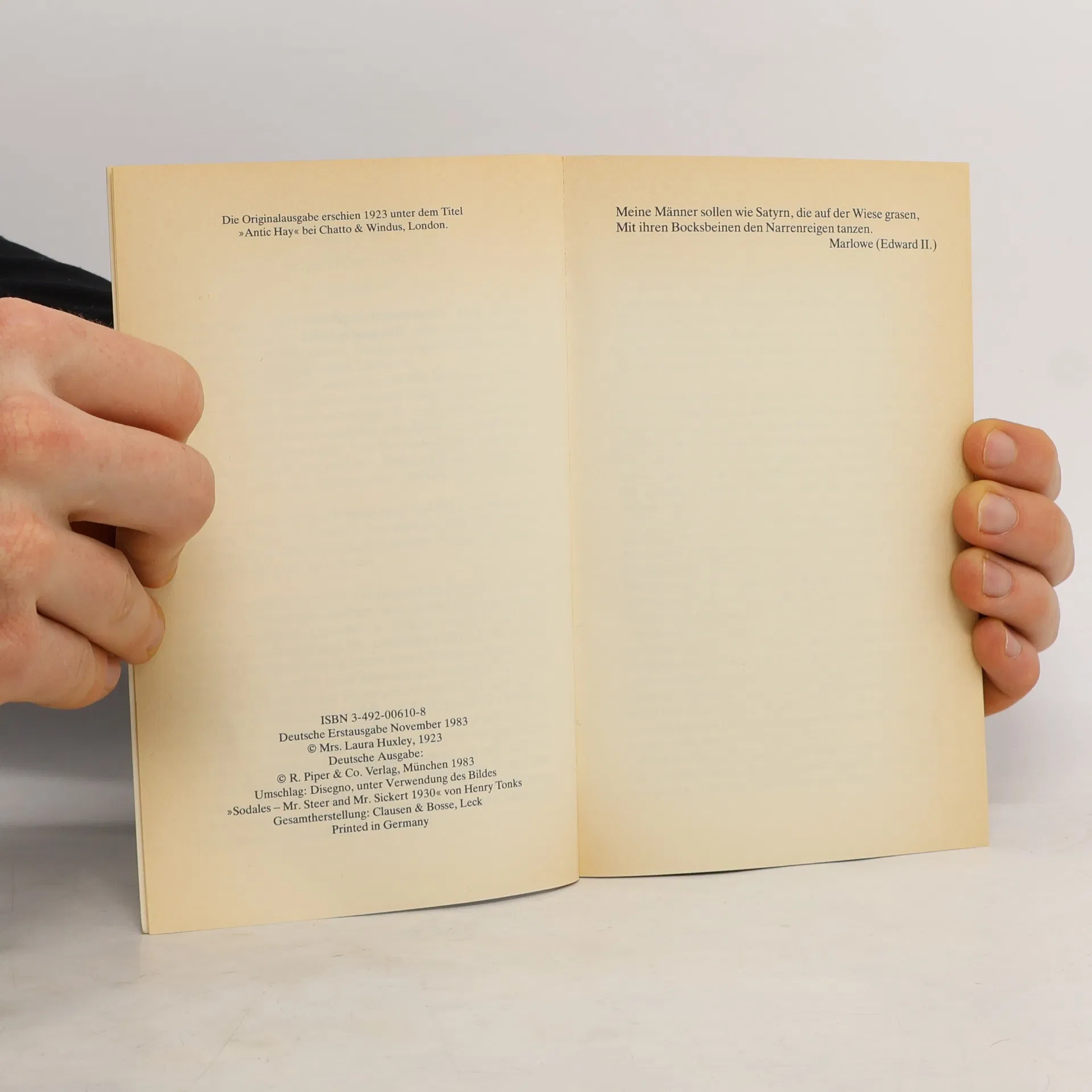
Serie Piper - 310: Narrenreigen
Auteurs
En savoir plus sur le livre
London life just after World War I, devoid of values and moving headlong into chaos at breakneck speed - Aldous Huxley's <i>Antic Hay,</i> like Hemingway's <i>The Sun Also Rises,</i> portrays a world of lost souls madly pursuing both pleasure and meaning. Fake artists, third-rate poets, pompous critics, pseudo-scientists, con-men, bewildered romantics, cock-eyed futurists - all inhabit this world spinning out of control, as wildly comic as it is disturbingly accurate. In a style that ranges from the lyrical to the absurd, and with characters whose identities shift and change as often as their names and appearances, Huxley has here invented a novel that bristles with life and energy, what the New York Times called "a delirium of sense enjoyment!"
Achat du livre
Serie Piper - 310: Narrenreigen, Aldous Huxley
- Langue

- Année de publication
- 1983
- Reliure
- (souple),
- État du livre
- Bon
- Prix
- 6,09 €
Modes de paiement
Personne n'a encore évalué .
- Titre
- Serie Piper - 310: Narrenreigen
- Langue
- Allemand
- Auteurs
- Aldous Huxley
- Éditeur
- Piper
- Publié
- 1983
- Format
- souple
- Pages
- 295
- ISBN10
- 3492006108
- ISBN13
- 9783492006101
- Séries
- Mots clés
- Humour, 20e siècle, Littérature britannique
- Description
- London life just after World War I, devoid of values and moving headlong into chaos at breakneck speed - Aldous Huxley's <i>Antic Hay,</i> like Hemingway's <i>The Sun Also Rises,</i> portrays a world of lost souls madly pursuing both pleasure and meaning. Fake artists, third-rate poets, pompous critics, pseudo-scientists, con-men, bewildered romantics, cock-eyed futurists - all inhabit this world spinning out of control, as wildly comic as it is disturbingly accurate. In a style that ranges from the lyrical to the absurd, and with characters whose identities shift and change as often as their names and appearances, Huxley has here invented a novel that bristles with life and energy, what the New York Times called "a delirium of sense enjoyment!"