



En savoir plus sur le livre
Perhaps because money is frequently considered gender-neutral, studies of the nexus between financial resources, masculinities, and femininities in fiction have been rare. Yet, economics are a key aspect of gender constructions; conversely, the language of money is thoroughly gendered. This study traces the representation of these interrelations in U. S.-American literature between 1850 and 2000. After historicizing the topic, it analyzes 35 novels with a focus on sexuo-economic relations that are more flexible and less hierarchical than hegemonic constructions. It simultaneously addresses the relationship between financial and cultural capital in terms of subject matter as well as style. Attempting to reflect the ethnic and cultural diversity of U. S.-American literature, the text chronicles the gradual revision of the ideology of separate spheres in which making money was an exclusively male task, while also documenting its tenacity at least in contemporary masculinity constructions.
Achat du livre
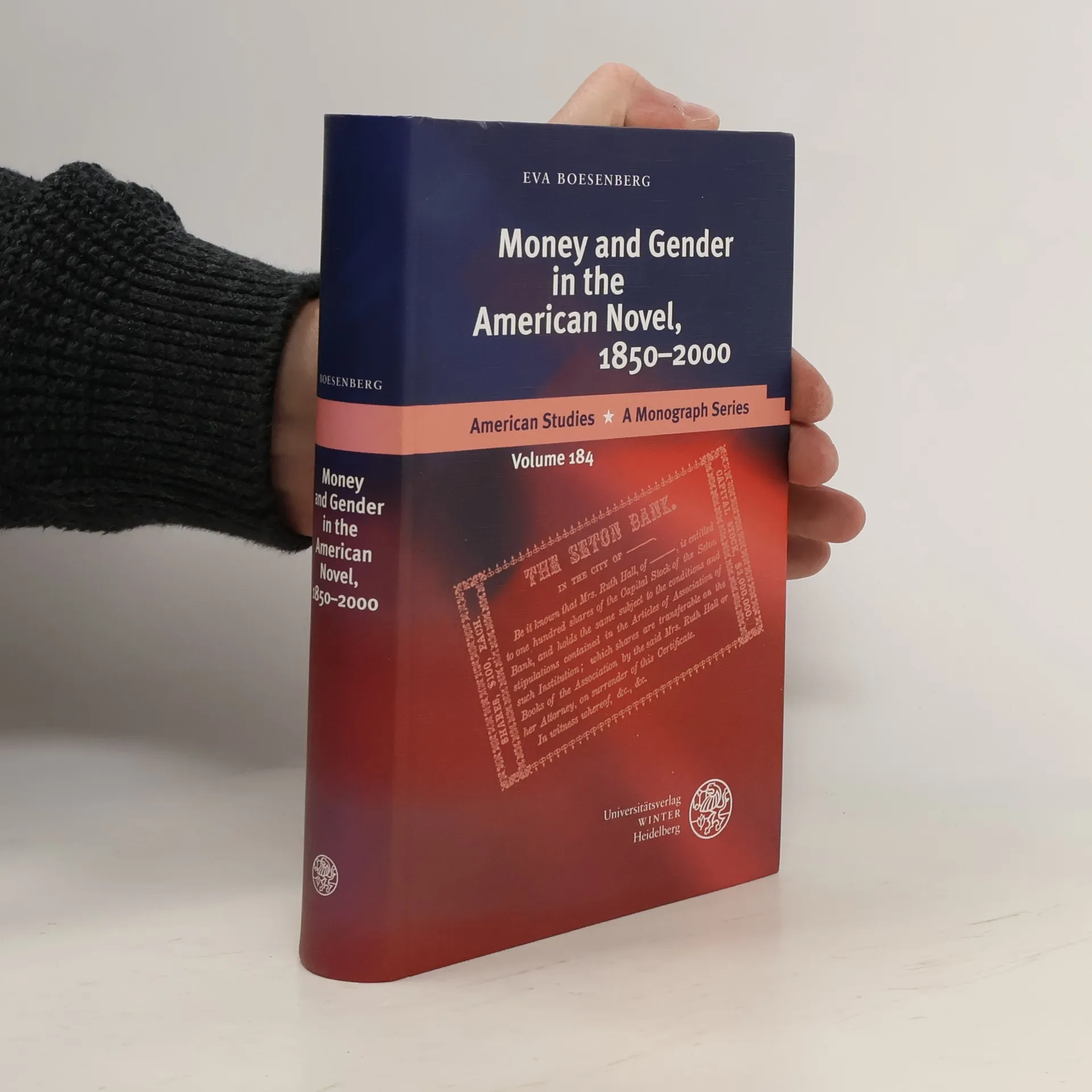
Money and gender in the American novel, 1850 - 2000, Eva Boesenberg
- Langue

- Année de publication
- 2010
- Reliure
- (rigide)
Modes de paiement
Personne n'a encore évalué .
- Titre
- Money and gender in the American novel, 1850 - 2000
- Langue
- Anglais
- Auteurs
- Eva Boesenberg
- Éditeur
- Universitätsverlag Winter
- Publié
- 2010
- Format
- rigide
- ISBN10
- 3825357325
- ISBN13
- 9783825357320
- Séries
- Catégories
- Mots clés
- Commerce, Littérature américaine, Critique sociale, Genre
- Description
- Perhaps because money is frequently considered gender-neutral, studies of the nexus between financial resources, masculinities, and femininities in fiction have been rare. Yet, economics are a key aspect of gender constructions; conversely, the language of money is thoroughly gendered. This study traces the representation of these interrelations in U. S.-American literature between 1850 and 2000. After historicizing the topic, it analyzes 35 novels with a focus on sexuo-economic relations that are more flexible and less hierarchical than hegemonic constructions. It simultaneously addresses the relationship between financial and cultural capital in terms of subject matter as well as style. Attempting to reflect the ethnic and cultural diversity of U. S.-American literature, the text chronicles the gradual revision of the ideology of separate spheres in which making money was an exclusively male task, while also documenting its tenacity at least in contemporary masculinity constructions.