

En savoir plus sur le livre
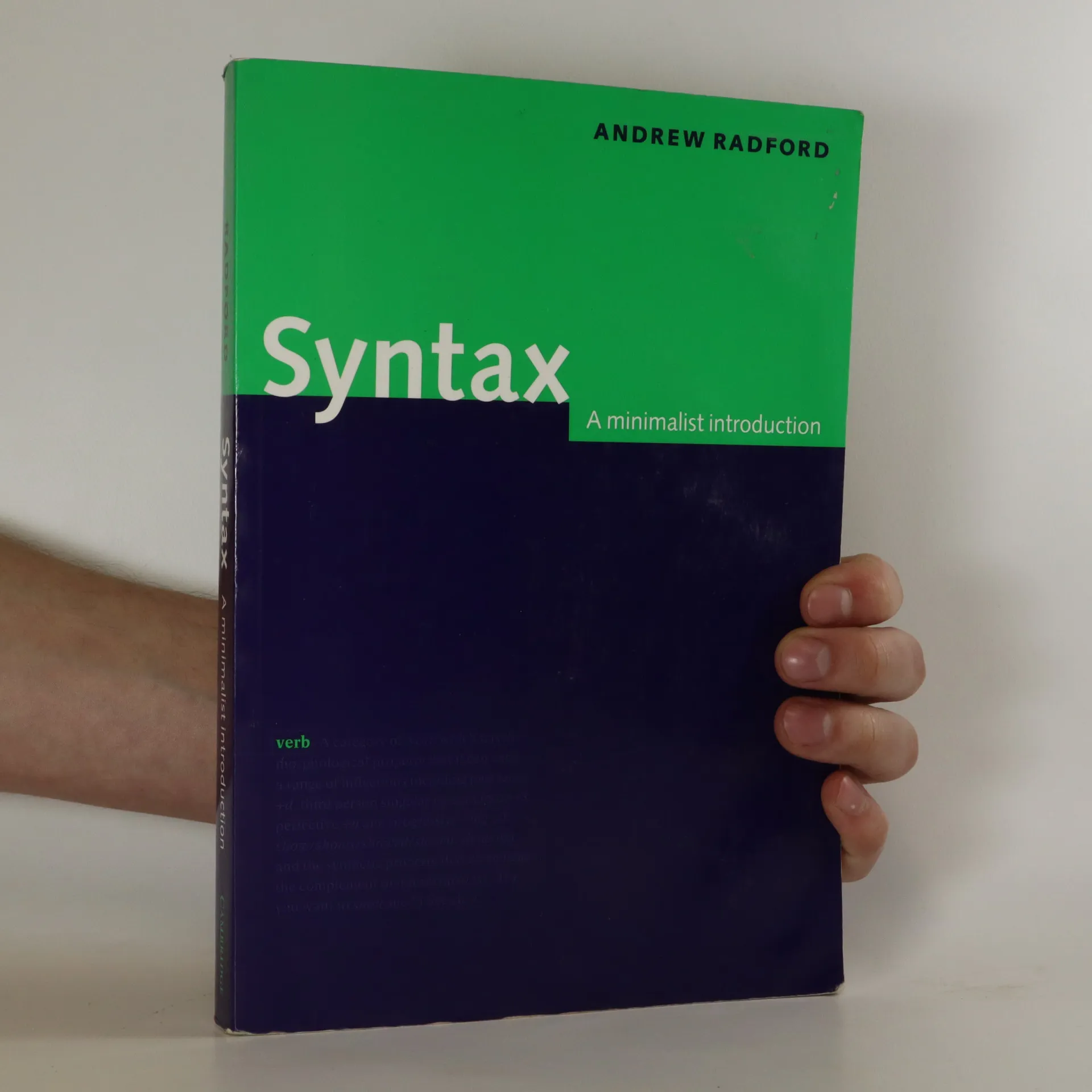
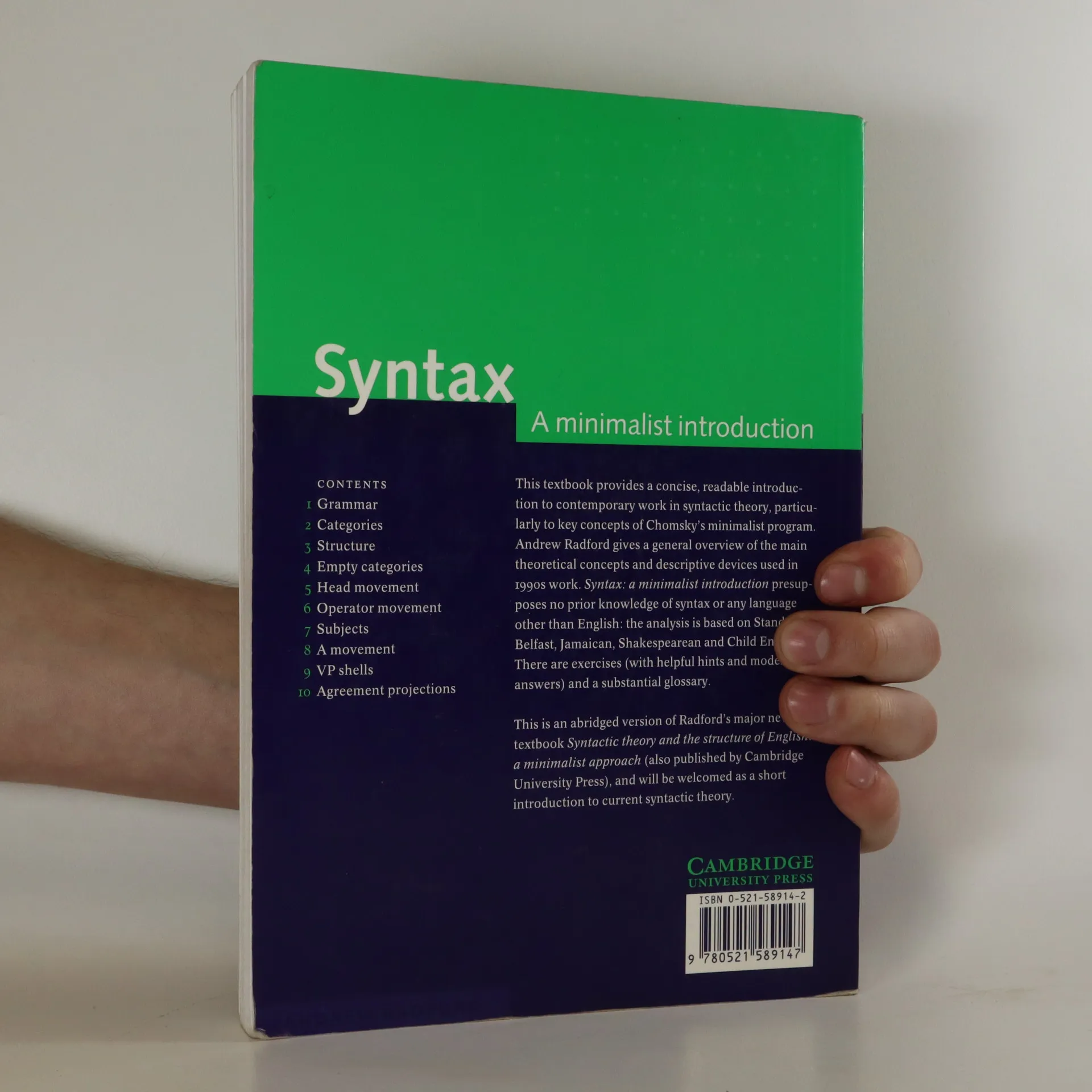
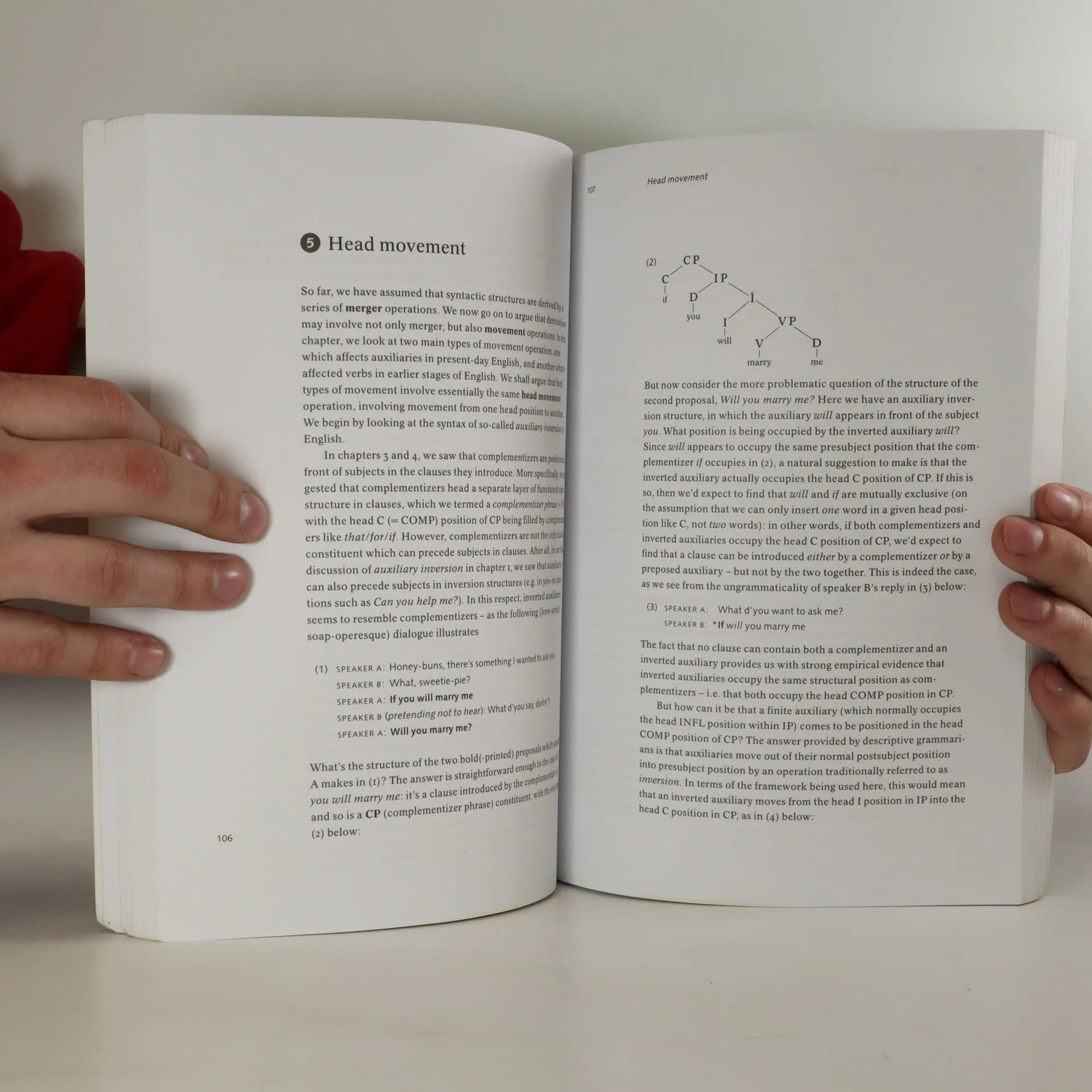
This textbook provides a concise, readable introduction to contemporary work in syntactic theory, particularly to key concepts of Chomsky's minimalist programme. Andrew Radford gives a general overview of the main theoretical concepts and descriptive devices used in 1990s work. The discussion is largely based on data from a range of varieties of English (not only Modern Standard, but also Belfast English, Shakespearean English, Jamaican Creole, etc.) and does not presuppose any prior knowledge of syntax. There are exercises and a substantial glossary. This is an abridged version of Radford's major textbook Syntactic Theory and the Structure of English: A Minimalist Approach, and will be welcomed as a short introduction to current syntactic theory.
Achat du livre
Syntax. A minimalist introduction, Andrew Radford
- Langue

- Année de publication
- 2003
- Reliure
- (souple)
Modes de paiement
Il manque plus que ton avis ici.
- Titre
- Syntax. A minimalist introduction
- Langue
- Anglais
- Auteurs
- Andrew Radford
- Éditeur
- Cambridge University Press
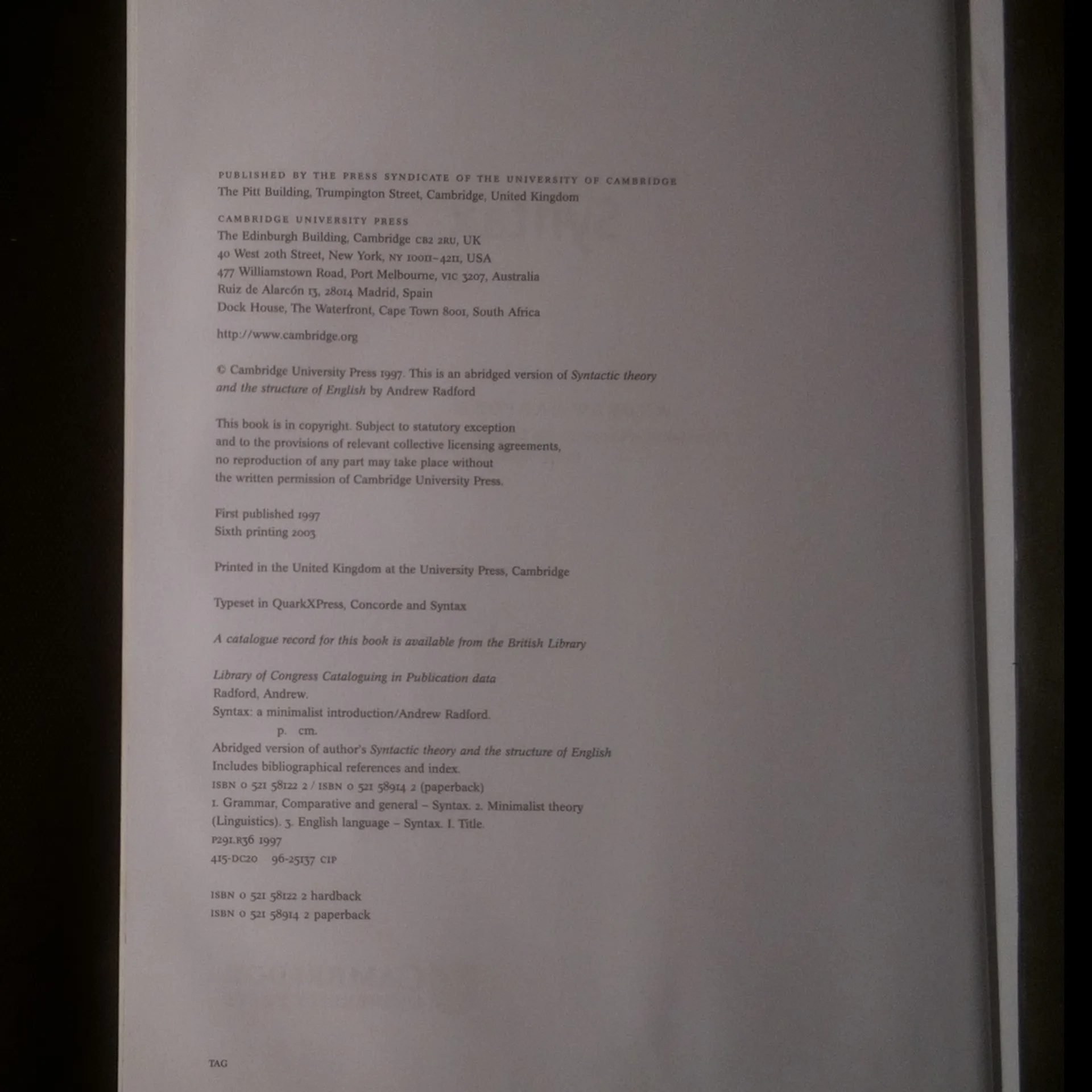
- Publié
- 2003
- Format
- souple
- Pages
- 293
- ISBN10
- 0521589142
- ISBN13
- 9780521589147
- Mots clés
- Manuels et guides, Linguistique
- Évaluation
- 4 sur 5
- Description
- This textbook provides a concise, readable introduction to contemporary work in syntactic theory, particularly to key concepts of Chomsky's minimalist programme. Andrew Radford gives a general overview of the main theoretical concepts and descriptive devices used in 1990s work. The discussion is largely based on data from a range of varieties of English (not only Modern Standard, but also Belfast English, Shakespearean English, Jamaican Creole, etc.) and does not presuppose any prior knowledge of syntax. There are exercises and a substantial glossary. This is an abridged version of Radford's major textbook Syntactic Theory and the Structure of English: A Minimalist Approach, and will be welcomed as a short introduction to current syntactic theory.