

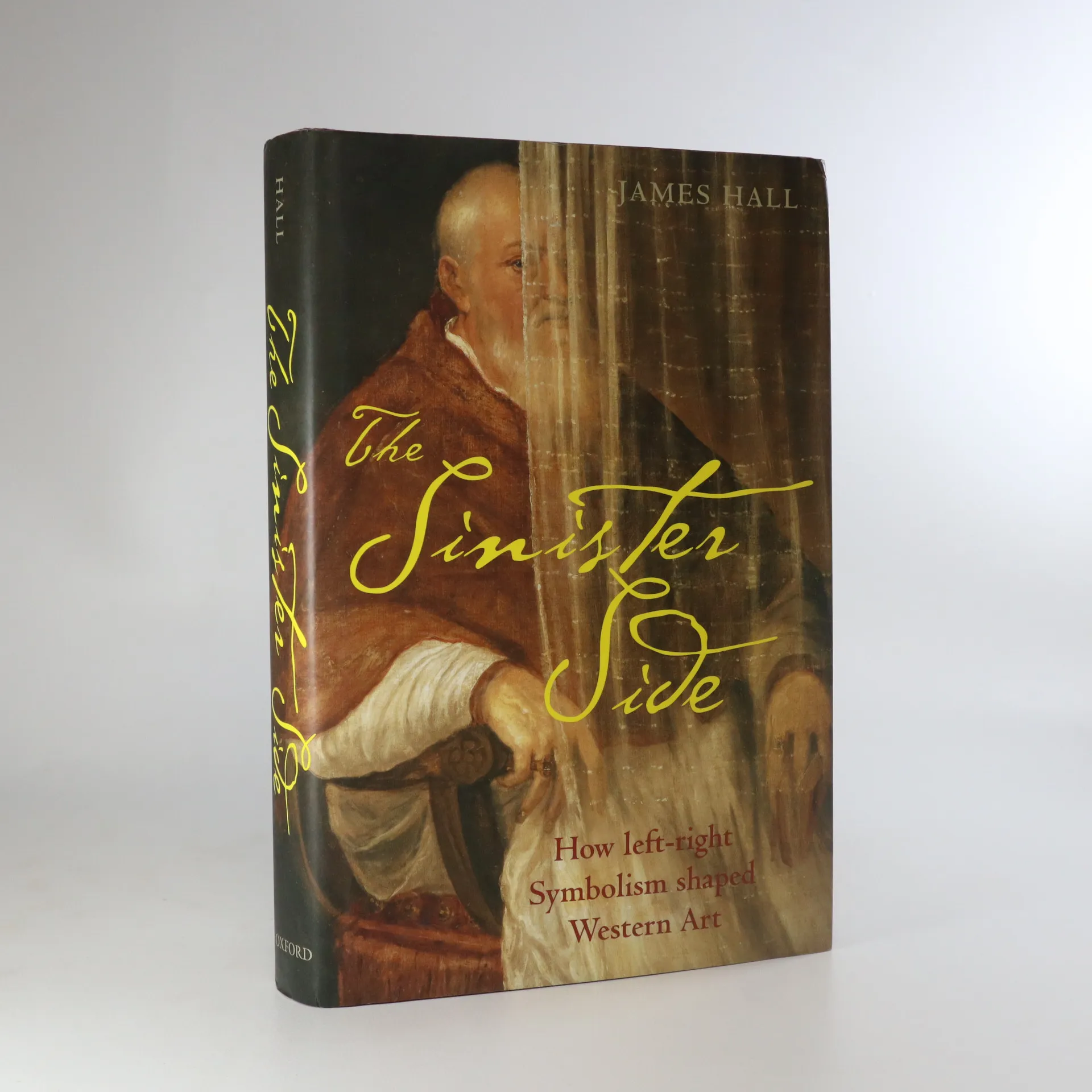

The sinister side. How left-right symbolism shaped Western art
Auteurs
Évaluation du livre
En savoir plus sur le livre
The Sinister Side is the first book to detail the richness and subtlety of left-right symbolism since the Renaissance, and to show how it was a catalyst for some of the greatest works of visual art from Leonardo and Michelangelo to Rembrandt and Picasso. Traditionally, the left side was regarded as evil, weak, and worldly, but with the Renaissance, artists began to represent the left side as the side that represented authentic human feelings and especially love. Writers including Lorenzo de' Medici, Michelangelo, and Winckelmann hailed the supreme moral and aesthetic beauty of the left side. Images of lovers foreground the left side of the body, emphasizing its refinement and sensitivity. In the late nineteenth century, with the rise of interest in the occult and in spiritualism, the left side becomes associated with the taboo and with the unconscious. James Hall's insightful discussion of left and right symbolism helps us to see how the self and the mind were perceived during these periods, and gives us a new key to understanding art in its social and intellectual context.
Achat du livre
The sinister side. How left-right symbolism shaped Western art, James N. Hall
- Langue

- Année de publication
- 2008
- Reliure
- (rigide)
Modes de paiement
Il manque plus que ton avis ici.
- Titre
- The sinister side. How left-right symbolism shaped Western art
- Langue
- Anglais
- Auteurs
- James N. Hall
- Éditeur
- Oxford University Press
- Publié
- 2008
- Format
- rigide
- Pages
- 489
- ISBN10
- 0199230862
- ISBN13
- 9780199230860
- Séries
- Mots clés
- Thème historique, Art
- Évaluation
- 4,2 sur 5
- Description
- The Sinister Side is the first book to detail the richness and subtlety of left-right symbolism since the Renaissance, and to show how it was a catalyst for some of the greatest works of visual art from Leonardo and Michelangelo to Rembrandt and Picasso. Traditionally, the left side was regarded as evil, weak, and worldly, but with the Renaissance, artists began to represent the left side as the side that represented authentic human feelings and especially love. Writers including Lorenzo de' Medici, Michelangelo, and Winckelmann hailed the supreme moral and aesthetic beauty of the left side. Images of lovers foreground the left side of the body, emphasizing its refinement and sensitivity. In the late nineteenth century, with the rise of interest in the occult and in spiritualism, the left side becomes associated with the taboo and with the unconscious. James Hall's insightful discussion of left and right symbolism helps us to see how the self and the mind were perceived during these periods, and gives us a new key to understanding art in its social and intellectual context.