

Paramètres
- 160pages
- 6 heures de lecture
En savoir plus sur le livre
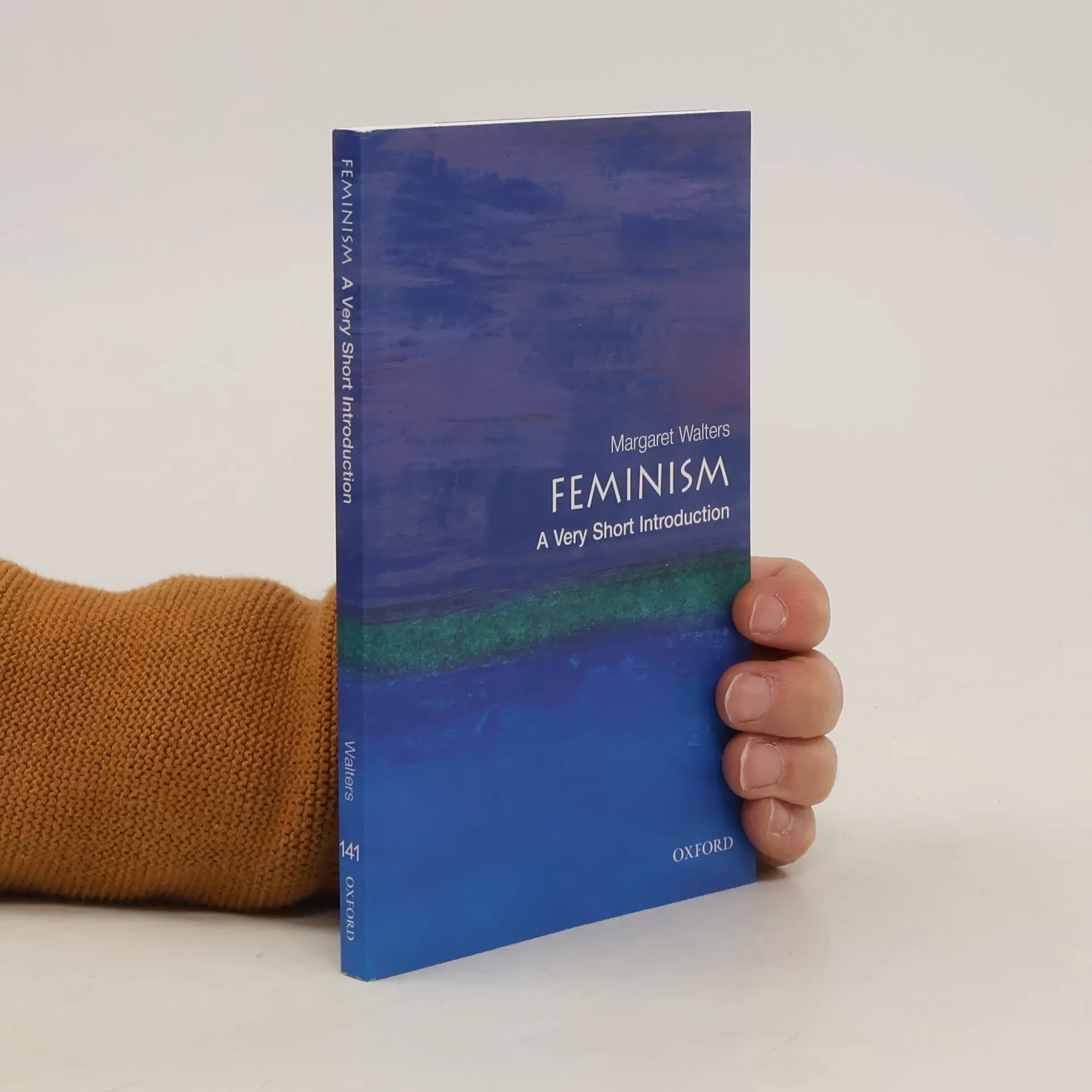
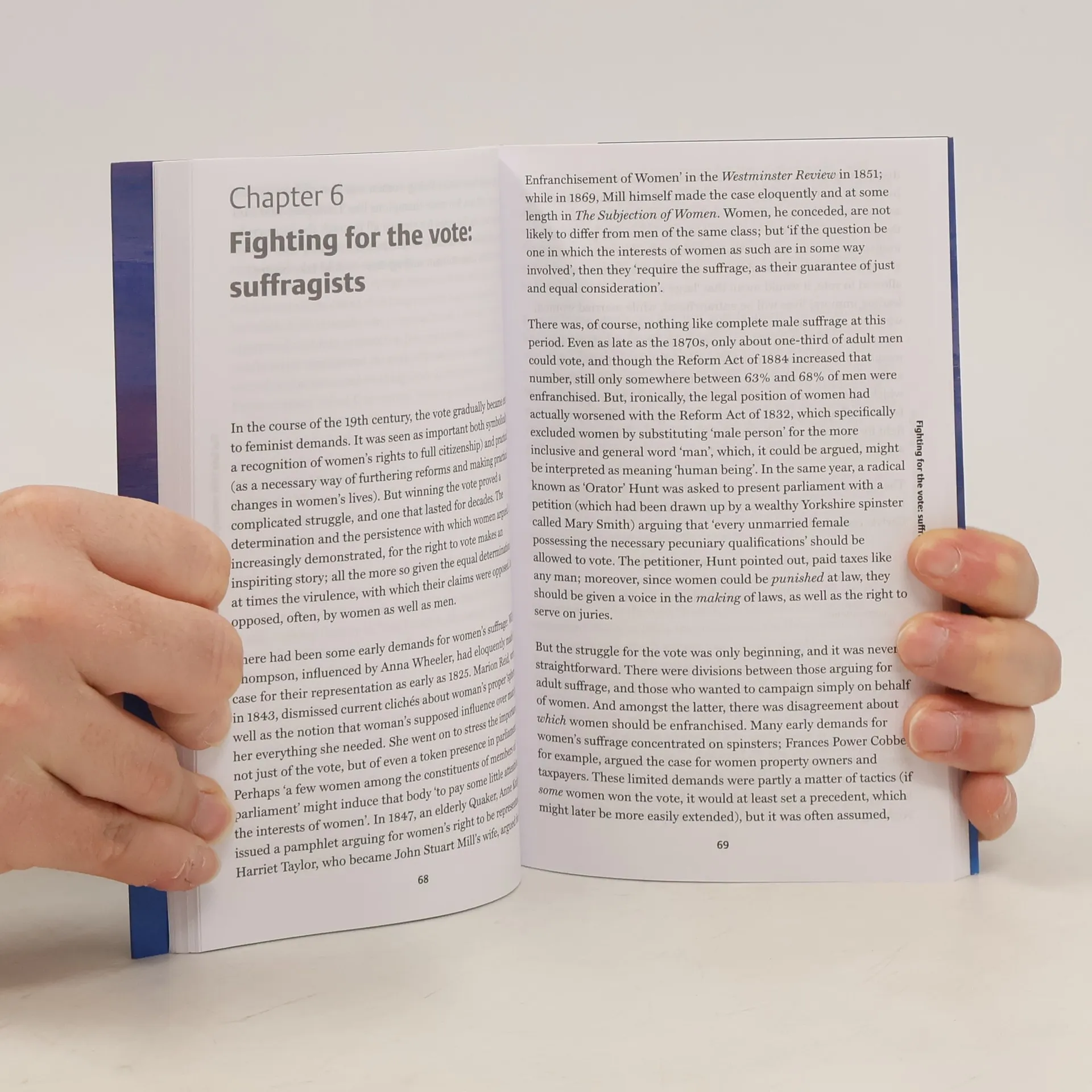
This is a historical account of feminism that looks at the roots of feminism, voting rights, and the liberation of the sixties, and analyzes the current situation of women across Europe, in the United States, and elsewhere in the world, particularly the Third World countries. Walters examines the difficulties and inequities that women still face, more than forty years after the "new wave" of 1960s feminism--difficulties, particularly, in combining domesticity, motherhood and work outside the home. How much have women's lives really changed? In the West, women still come up against the "glass ceiling" at work, with most earning considerably less than their male counterparts. What are we to make of the now commonplace insistence that feminism deprives men of their rights and dignities? And how does one tackle the issue of female emancipation in different cultural and economic environments--in, for example, Islam, Hinduism, the Middle East, Africa, and the Indian sub-continent?
Achat du livre
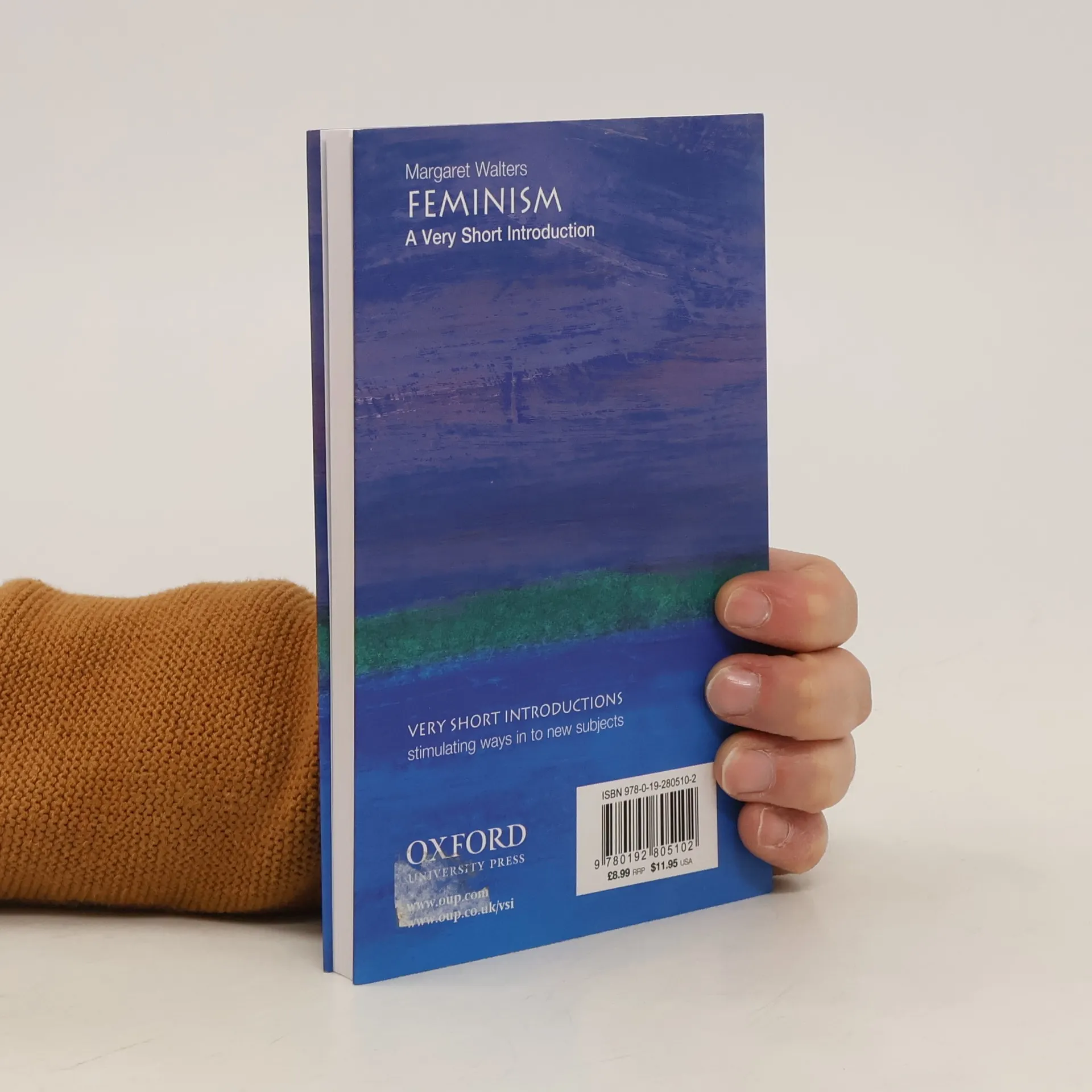
Feminism : a very short introduction, Margaret Walters
- Langue

- Année de publication
- 2005
- Reliure
- (souple)
Modes de paiement
Il manque plus que ton avis ici.
- Titre
- Feminism : a very short introduction
- Langue
- Anglais
- Auteurs
- Margaret Walters
- Éditeur
- Oxford University Press
- Publié
- 2005
- Format
- souple
- Pages
- 160
- ISBN10
- 019280510X
- ISBN13
- 9780192805102
- Séries
- Catégories
- Mots clés
- Thème historique, Thématique philosophique, Politique, Féminisme, Genre
- Évaluation
- 3,6 sur 5
- Description
- This is a historical account of feminism that looks at the roots of feminism, voting rights, and the liberation of the sixties, and analyzes the current situation of women across Europe, in the United States, and elsewhere in the world, particularly the Third World countries. Walters examines the difficulties and inequities that women still face, more than forty years after the "new wave" of 1960s feminism--difficulties, particularly, in combining domesticity, motherhood and work outside the home. How much have women's lives really changed? In the West, women still come up against the "glass ceiling" at work, with most earning considerably less than their male counterparts. What are we to make of the now commonplace insistence that feminism deprives men of their rights and dignities? And how does one tackle the issue of female emancipation in different cultural and economic environments--in, for example, Islam, Hinduism, the Middle East, Africa, and the Indian sub-continent?