

Paramètres
En savoir plus sur le livre
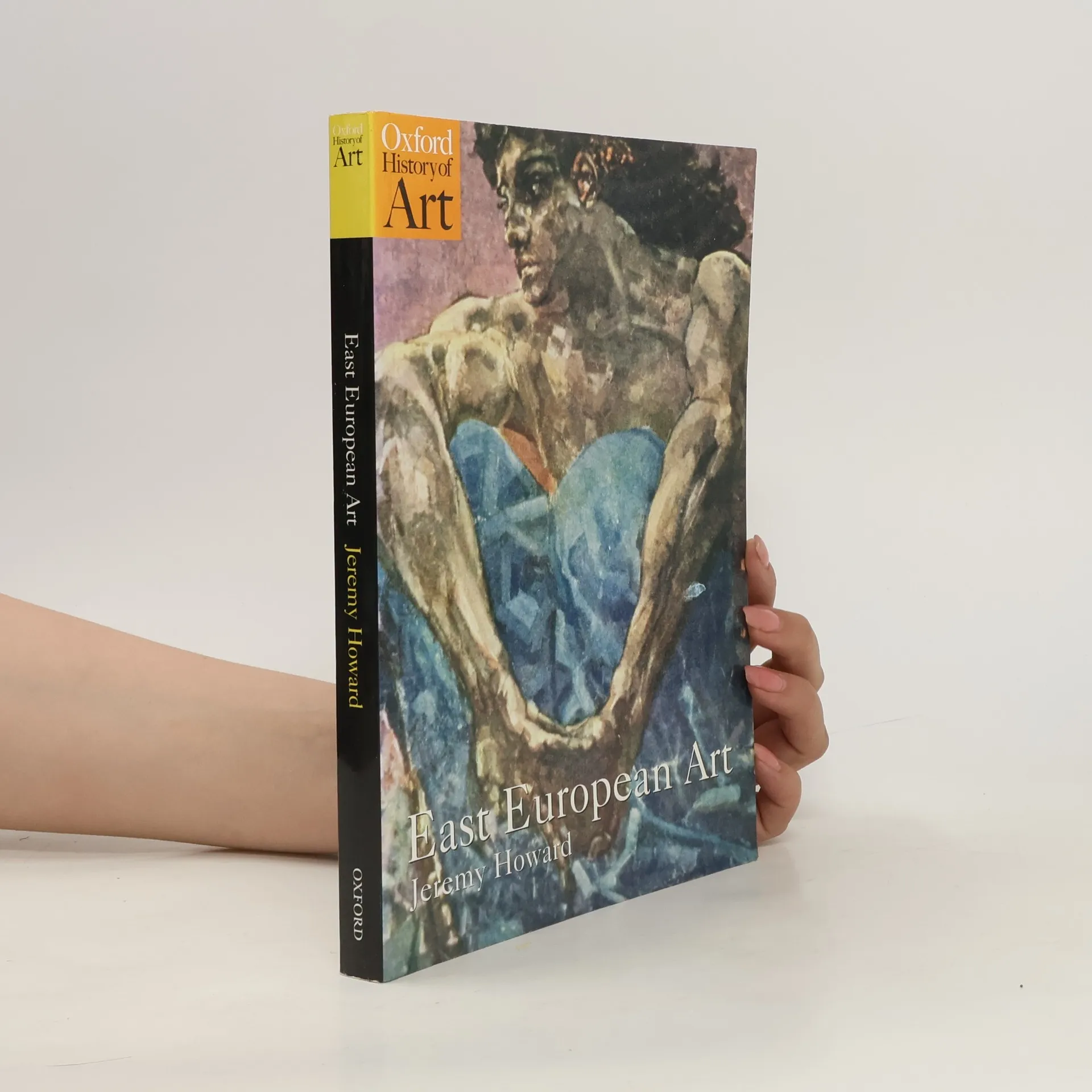
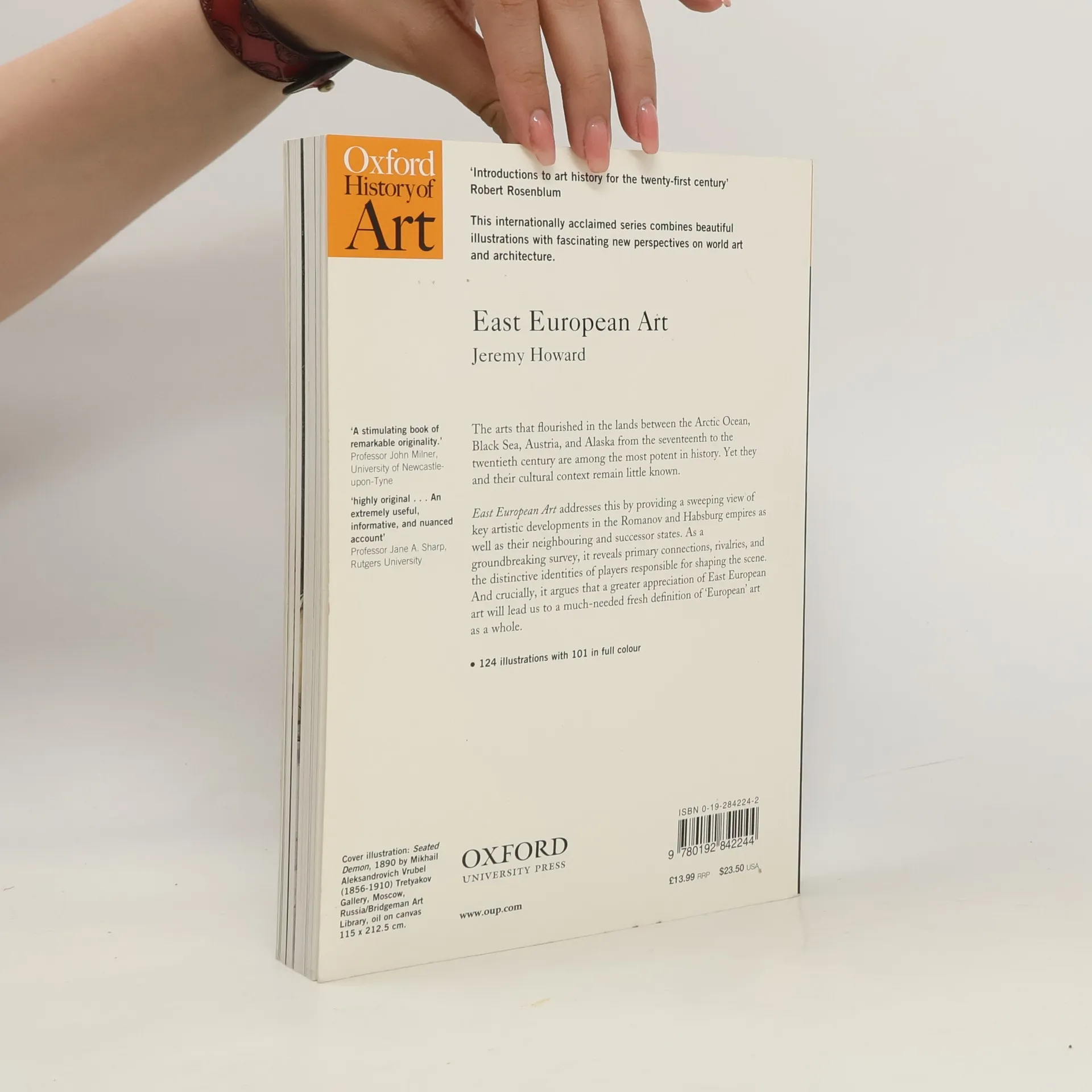
"The arts that flourished in the lands between the Arctic Ocean, Black Sea, Austria, and Alaska from the seventeenth to the twentieth century are among the most potent in history. Yet they and their cultural context remain little known." "East European Art addresses this by providing a sweeping view of key artistic developments in the Romanov and Habsburg empires as well as their neighbouring and successor states. As a groundbreaking survey, it reveals primary connections, rivalries, and the distinctive identities of players responsible for shaping the scene. And crucially, it argues that a greater appreciation of East European art will lead us to a much-needed fresh definition of 'European' art as a whole."--Jacket
Achat du livre
East European art, 1650-1950, Jeremy Howard
- Langue

- Année de publication
- 2006
- Reliure
- (souple)
Modes de paiement
Il manque plus que ton avis ici.
- Titre
- East European art, 1650-1950
- Langue
- Anglais
- Auteurs
- Jeremy Howard
- Éditeur
- Oxford University Press
- Publié
- 2006
- Format
- souple
- ISBN10
- 0192842242
- ISBN13
- 9780192842244
- Séries
- Mots clés
- Beaux-arts
- Évaluation
- 3,75 sur 5
- Description
- "The arts that flourished in the lands between the Arctic Ocean, Black Sea, Austria, and Alaska from the seventeenth to the twentieth century are among the most potent in history. Yet they and their cultural context remain little known." "East European Art addresses this by providing a sweeping view of key artistic developments in the Romanov and Habsburg empires as well as their neighbouring and successor states. As a groundbreaking survey, it reveals primary connections, rivalries, and the distinctive identities of players responsible for shaping the scene. And crucially, it argues that a greater appreciation of East European art will lead us to a much-needed fresh definition of 'European' art as a whole."--Jacket