

Paramètres
- 864pages
- 31 heures de lecture
En savoir plus sur le livre
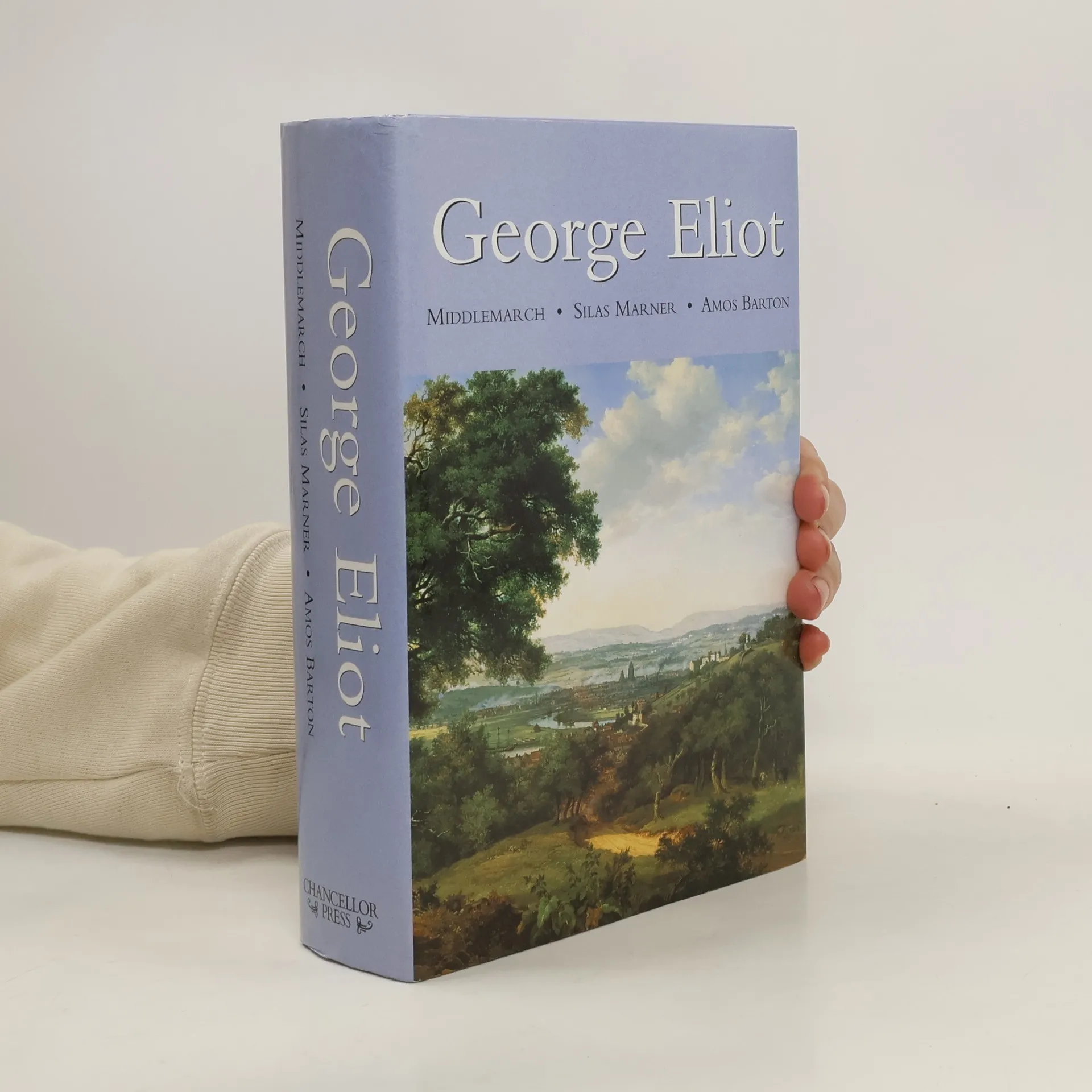
3 masterpieces from one of the Victorian era's most brilliant and celebrated feminist novelists--George Eliot, ne Mary Ann Evans. Middlemarch, her most well-known work, paints a rich and varied portrait of English society. Eliot focuses especially on the idealistic Dorothea Brooke, a woman who, lacking a creative outlet of her own, dedicates herself to her husband's legacy. In Silas Marner, a tale filled with mystery and emotion, an embittered man retreats from the outside world, thinking only of work and money. Then his wealth is stolen from him-and a young foundling comes into his life and changes everything. Also included: the short story Amos Barton, which heralded Eliot's arrival as a writer when it was published in Blackwood's magazine in 1857.
Achat du livre
George Eliot: Middlemarch, Silas Marner, Amos Barton, George Eliot
- Langue

- Année de publication
- 2002
- Reliure
- (rigide)
Modes de paiement
Il manque plus que ton avis ici.
- Titre
- George Eliot: Middlemarch, Silas Marner, Amos Barton
- Langue
- Anglais
- Auteurs
- George Eliot
- Éditeur
- Chancellor Press
- Publié
- 2002
- Format
- rigide
- Pages
- 864
- ISBN10
- 0753703920
- ISBN13
- 9780753703922
- Séries
- Mots clés
- Littérature britannique, Époque victorienne
- Évaluation
- 4 sur 5
- Description
- 3 masterpieces from one of the Victorian era's most brilliant and celebrated feminist novelists--George Eliot, ne Mary Ann Evans. Middlemarch, her most well-known work, paints a rich and varied portrait of English society. Eliot focuses especially on the idealistic Dorothea Brooke, a woman who, lacking a creative outlet of her own, dedicates herself to her husband's legacy. In Silas Marner, a tale filled with mystery and emotion, an embittered man retreats from the outside world, thinking only of work and money. Then his wealth is stolen from him-and a young foundling comes into his life and changes everything. Also included: the short story Amos Barton, which heralded Eliot's arrival as a writer when it was published in Blackwood's magazine in 1857.