

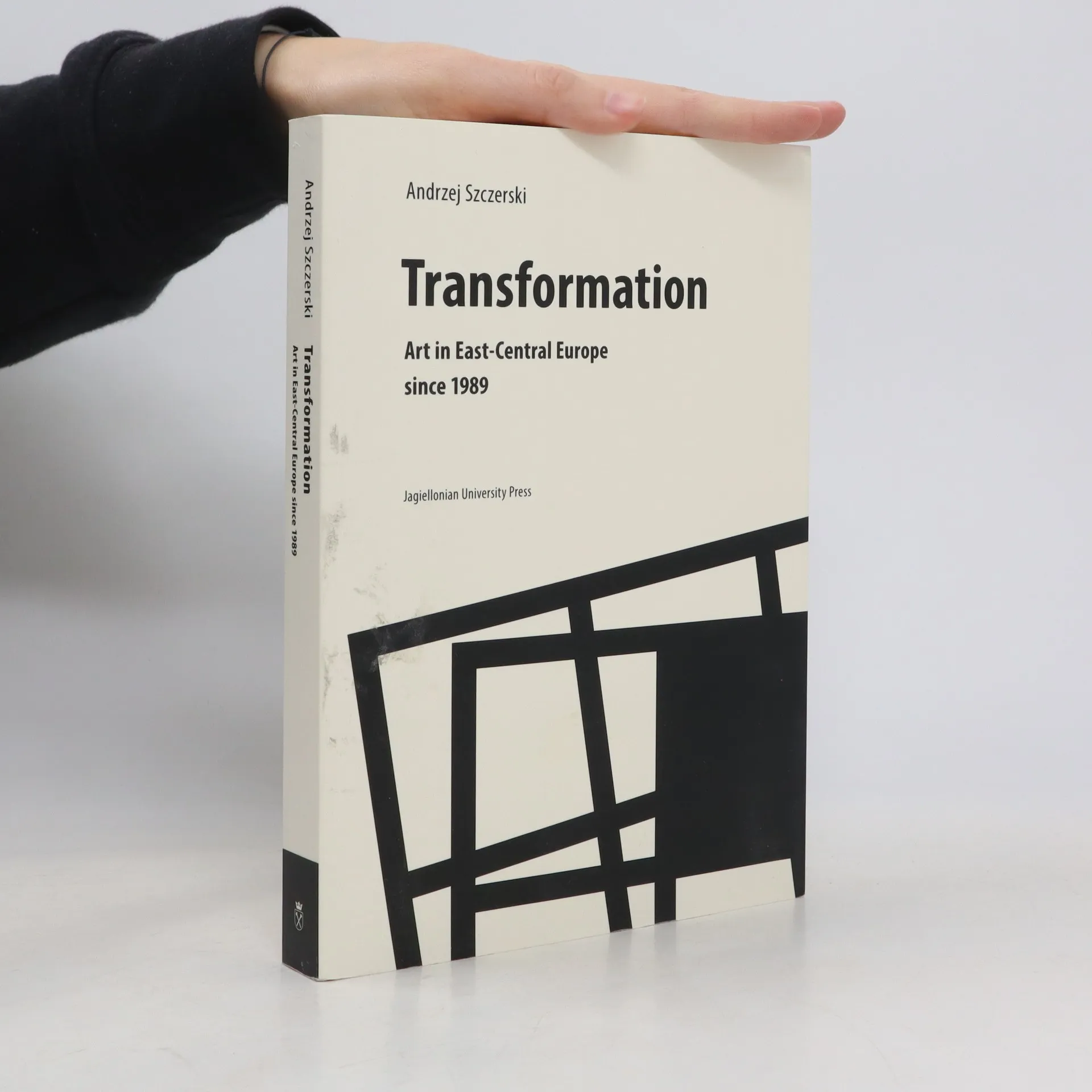
Transformation art in east central europe After 1989
Auteurs
Paramètres
- 257pages
- 9 heures de lecture
En savoir plus sur le livre
The year 1989 signaled a transformative period marked by the end of communism and the onset of post-communist change across Eastern Bloc countries. This era saw nations embracing free elections, reclaiming sovereignty, and shifting towards free-market capitalism. The latter half of 1989, known as the “Autumn of Nations,” heralded the liberation of East-Central Europe from Soviet control, culminating in the Soviet Union's collapse and the conclusion of the Cold War in Europe. This new era brought significant political, economic, and cultural shifts, fostering individual liberties and civil rights while rebuilding national identities across the continent. Culture emerged as a catalyst for change, with the abolition of censorship, removal of communist monuments, and renaming of streets. These radical cultural shifts influenced the art of the time, reflecting the evolving ideologies and institutional sponsorship that favored three artistic approaches. Some artists directly engaged with the changes, creating works that commented on current events or envisioned the future direction of transformation. Others observed from a distance, emphasizing the diverse historical contexts and cultural identities that shaped these developments. Additionally, contemporary art played a crucial role in how we remember the communist past, questioning its legacy while highlighting its enduring impact. This body of work, related to the post-1989 tran
Achat du livre
Transformation art in east central europe After 1989, Andrzej Szczerski
- Langue

- Année de publication
- 2019
- Reliure
- (souple)
Modes de paiement
Personne n'a encore évalué .
- Titre
- Transformation art in east central europe After 1989
- Langue
- Polonais
- Auteurs
- Andrzej Szczerski
- Publié
- 2019
- Format
- souple
- Pages
- 257
- ISBN10
- 8323345430
- ISBN13
- 9788323345435
- Séries
- Catégories
- Mots clés
- Art, Politique, Cadeaux pour papy, Histoire de l'art, Histoires culturelles, Histoire du 20e siècle, Démocratie, Transformation, Capitalisme, Europe de l'Est
- Description
- The year 1989 signaled a transformative period marked by the end of communism and the onset of post-communist change across Eastern Bloc countries. This era saw nations embracing free elections, reclaiming sovereignty, and shifting towards free-market capitalism. The latter half of 1989, known as the “Autumn of Nations,” heralded the liberation of East-Central Europe from Soviet control, culminating in the Soviet Union's collapse and the conclusion of the Cold War in Europe. This new era brought significant political, economic, and cultural shifts, fostering individual liberties and civil rights while rebuilding national identities across the continent. Culture emerged as a catalyst for change, with the abolition of censorship, removal of communist monuments, and renaming of streets. These radical cultural shifts influenced the art of the time, reflecting the evolving ideologies and institutional sponsorship that favored three artistic approaches. Some artists directly engaged with the changes, creating works that commented on current events or envisioned the future direction of transformation. Others observed from a distance, emphasizing the diverse historical contexts and cultural identities that shaped these developments. Additionally, contemporary art played a crucial role in how we remember the communist past, questioning its legacy while highlighting its enduring impact. This body of work, related to the post-1989 tran