

En savoir plus sur le livre
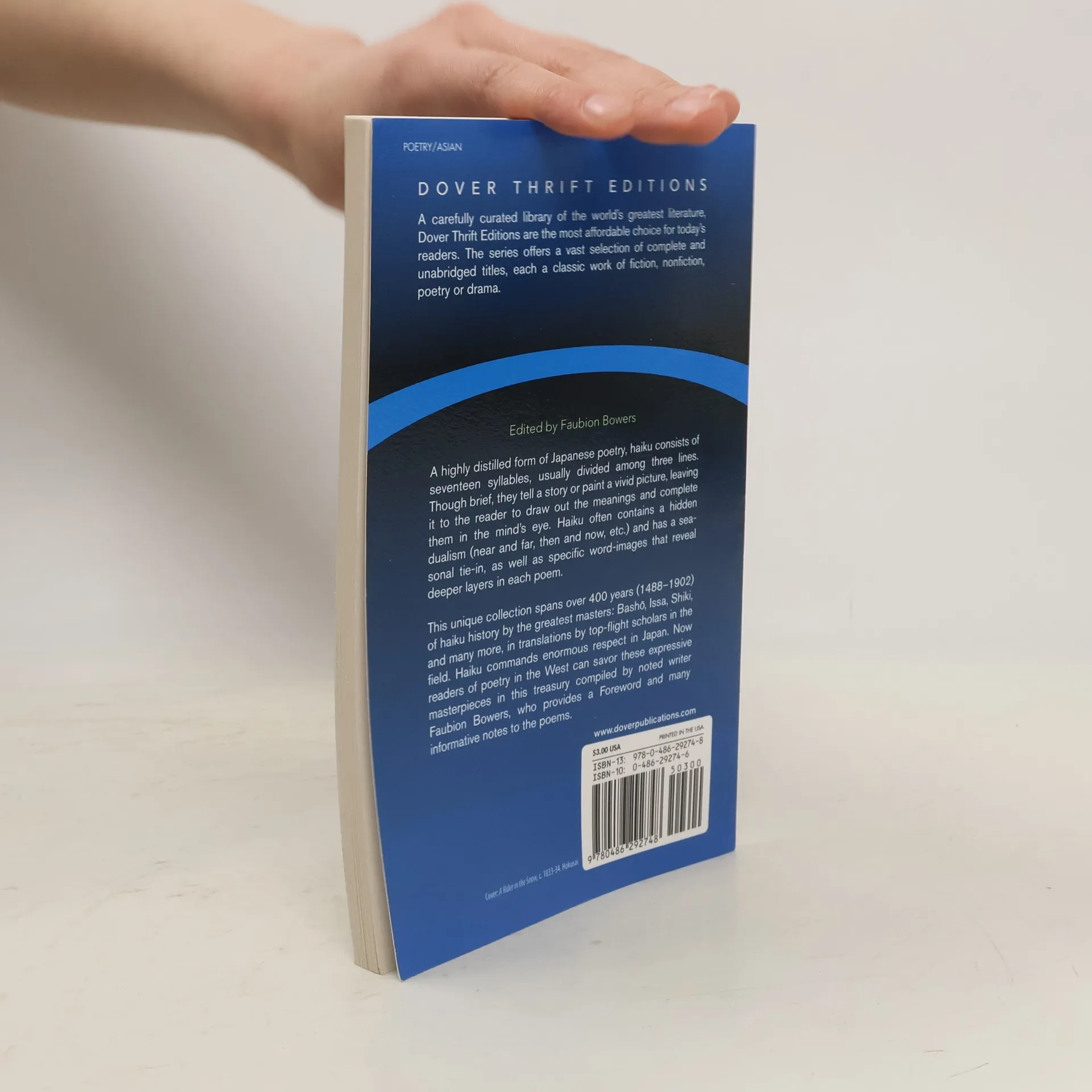
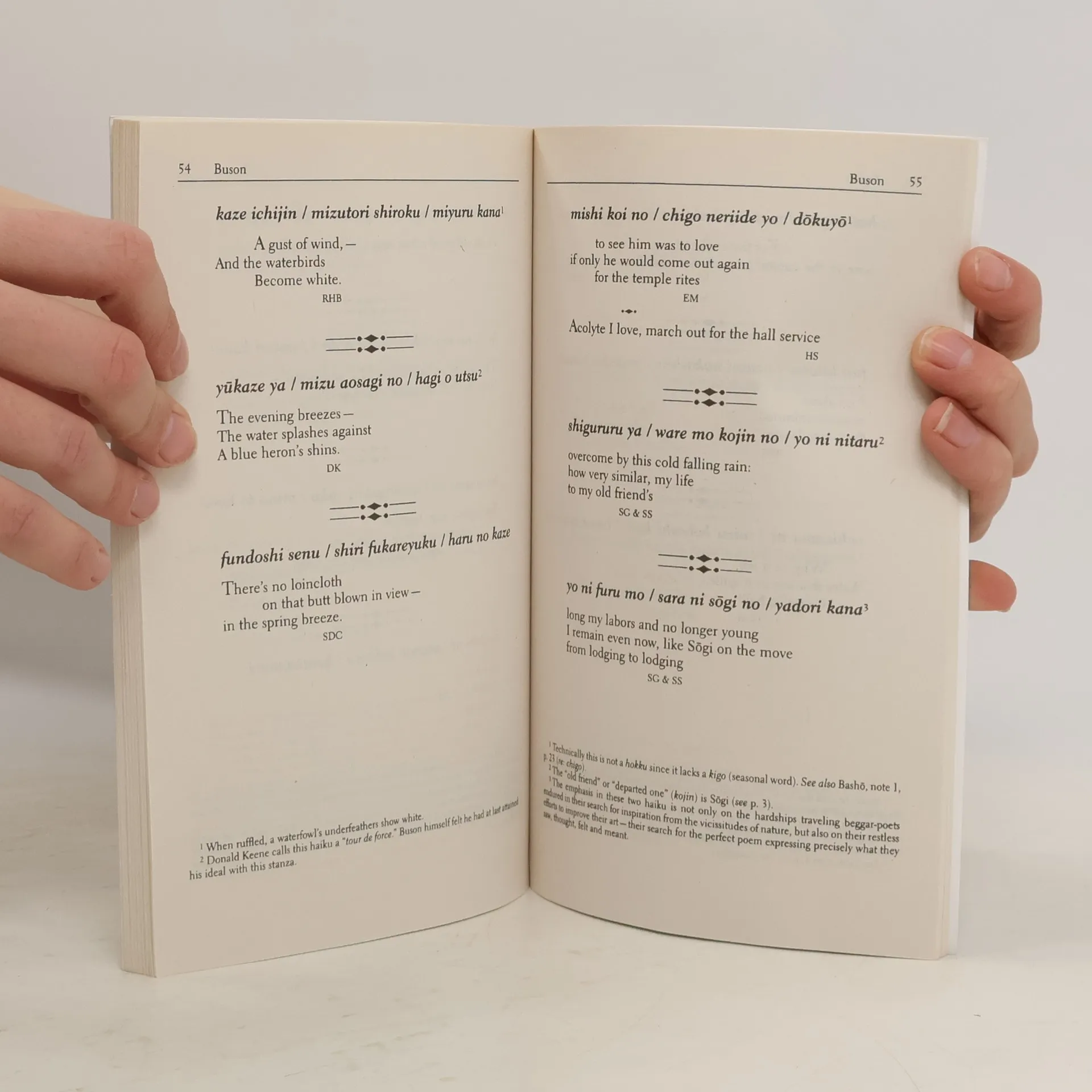
A highly distilled form of Japanese poetry, haiku consists of seventeen syllables, usually divided among three lines. Though brief, they tell a story or paint a vivid picture, leaving it to the reader to draw out the meanings and complete them in the mind's eye. Haiku often contains a hidden dualism (near and far, then and now, etc.) and has a seasonal tie-in, as well as specific word-images that reveal deeper layers in each poem. This unique collection spans over 400 years (1488–1902) of haiku history by the greatest masters: Bashō, Issa, Shiki, and many more, in translations by top-flight scholars in the field. Haiku commands enormous respect in Japan. Now readers of poetry in the West can savor these expressive masterpieces in this treasury compiled by noted writer Faubion Bowers, who provides a Foreword and many informative notes to the poems.
Achat du livre
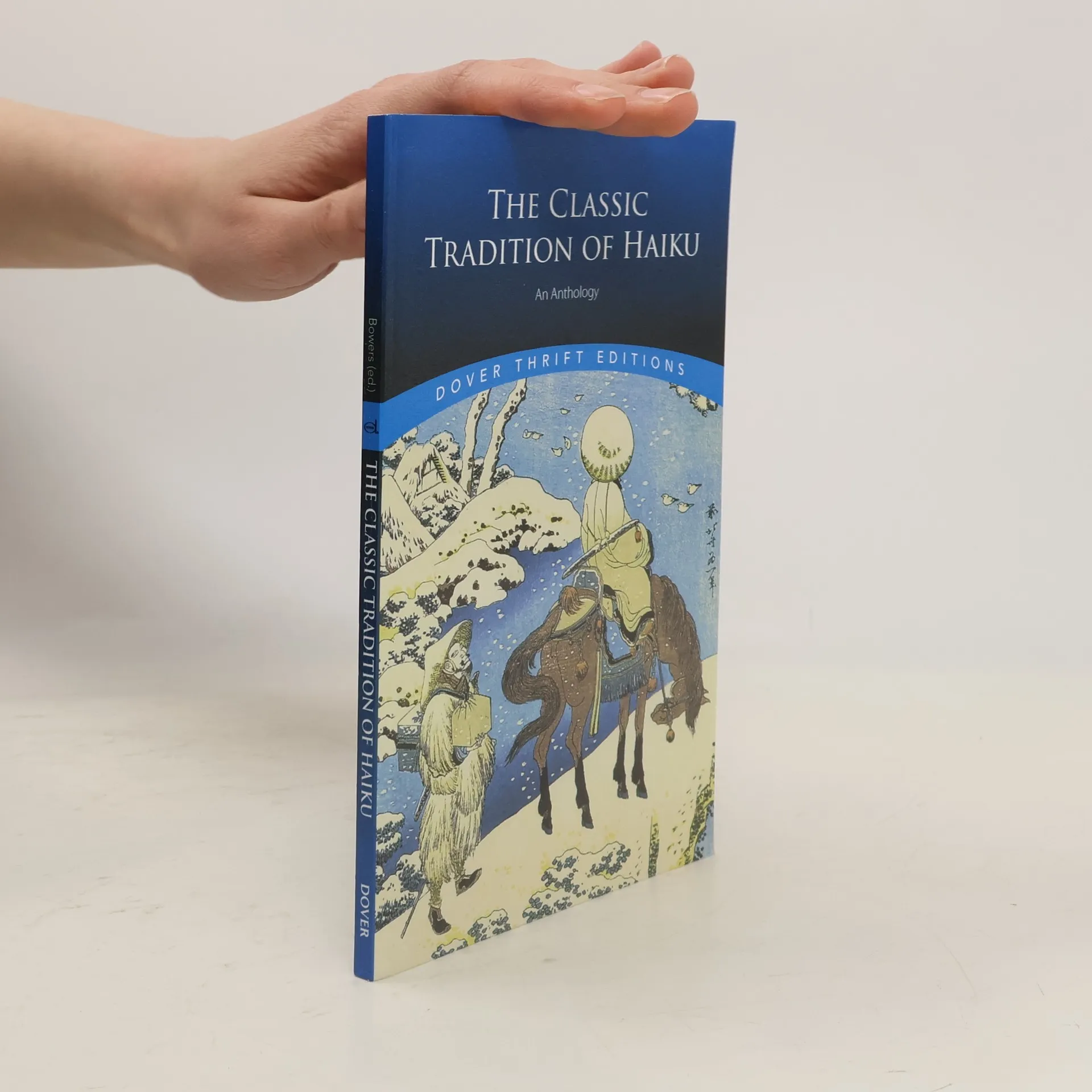
The Classic Tradition of Haiku, Faubion Bowers
- Langue

- Année de publication
- 1996
- Reliure
- (souple)
Modes de paiement
Il manque plus que ton avis ici.
- Titre
- The Classic Tradition of Haiku
- Langue
- Anglais
- Auteurs
- Faubion Bowers
- Éditeur
- Courier Corporation
- Publié
- 1996
- Format
- souple
- Pages
- 96
- ISBN10
- 0486292746
- ISBN13
- 9780486292748
- Séries
- Catégories
- Mots clés
- Recueils, anthologies, Japon, Littérature japonaise
- Évaluation
- 4,2 sur 5
- Description
- A highly distilled form of Japanese poetry, haiku consists of seventeen syllables, usually divided among three lines. Though brief, they tell a story or paint a vivid picture, leaving it to the reader to draw out the meanings and complete them in the mind's eye. Haiku often contains a hidden dualism (near and far, then and now, etc.) and has a seasonal tie-in, as well as specific word-images that reveal deeper layers in each poem. This unique collection spans over 400 years (1488–1902) of haiku history by the greatest masters: Bashō, Issa, Shiki, and many more, in translations by top-flight scholars in the field. Haiku commands enormous respect in Japan. Now readers of poetry in the West can savor these expressive masterpieces in this treasury compiled by noted writer Faubion Bowers, who provides a Foreword and many informative notes to the poems.