

En savoir plus sur le livre
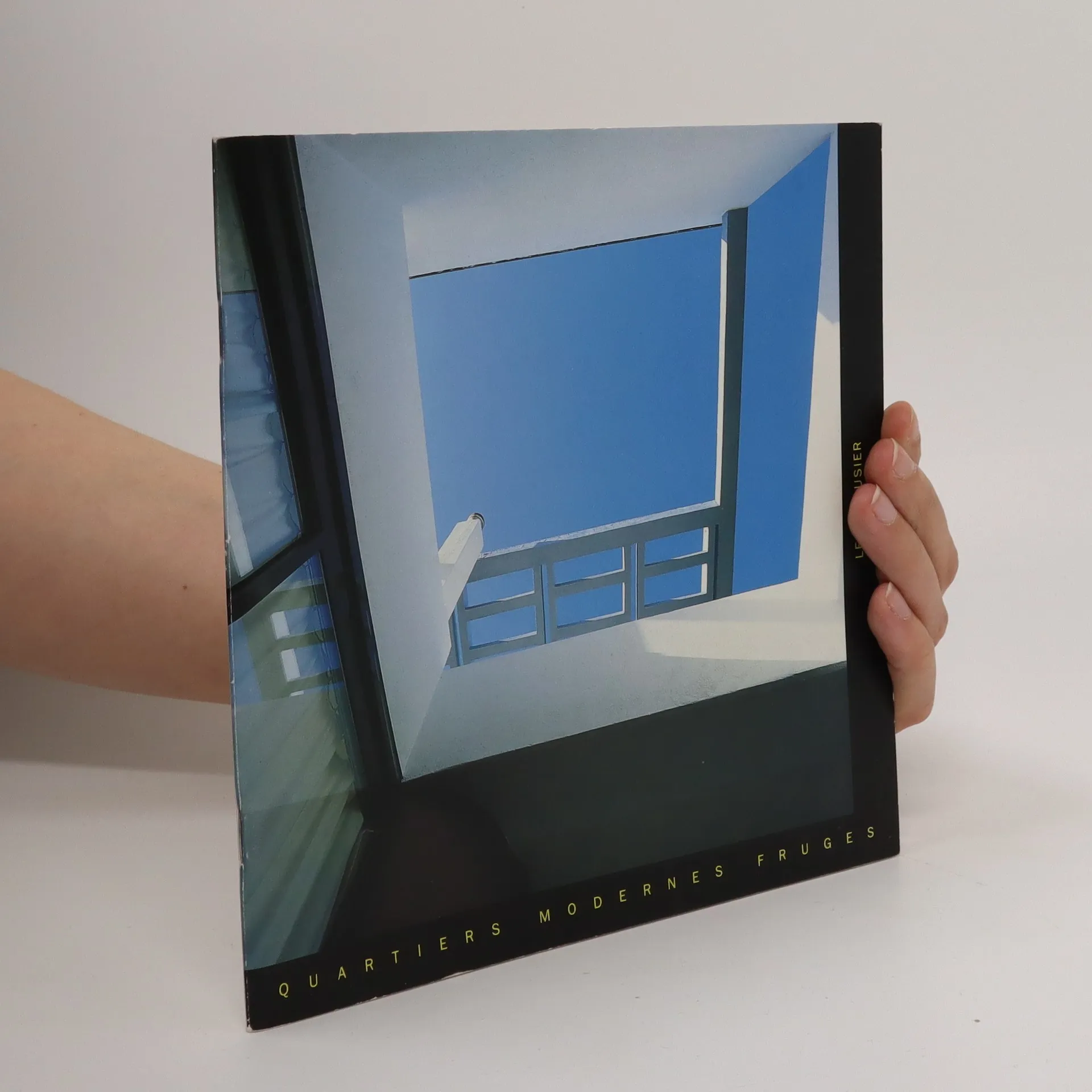
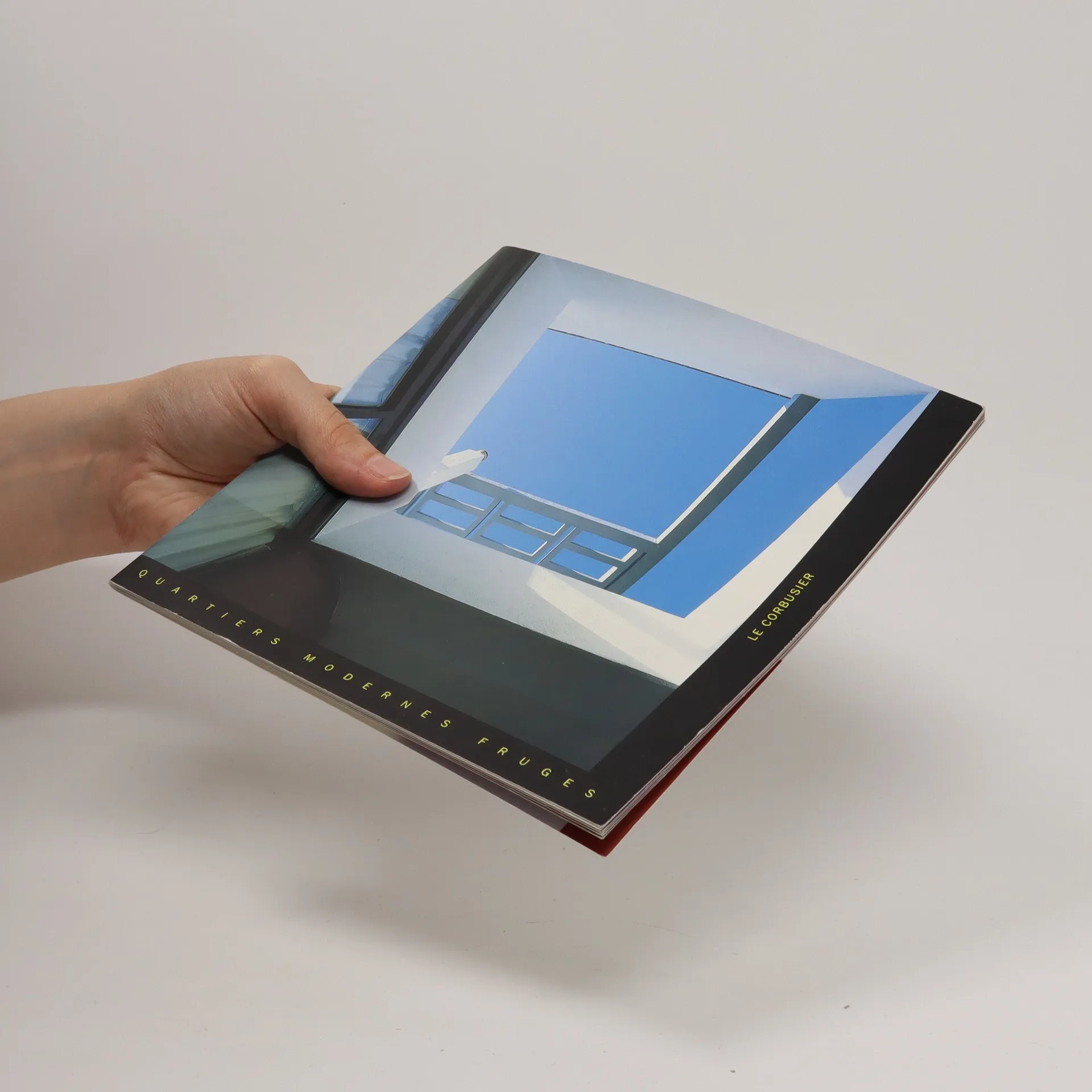
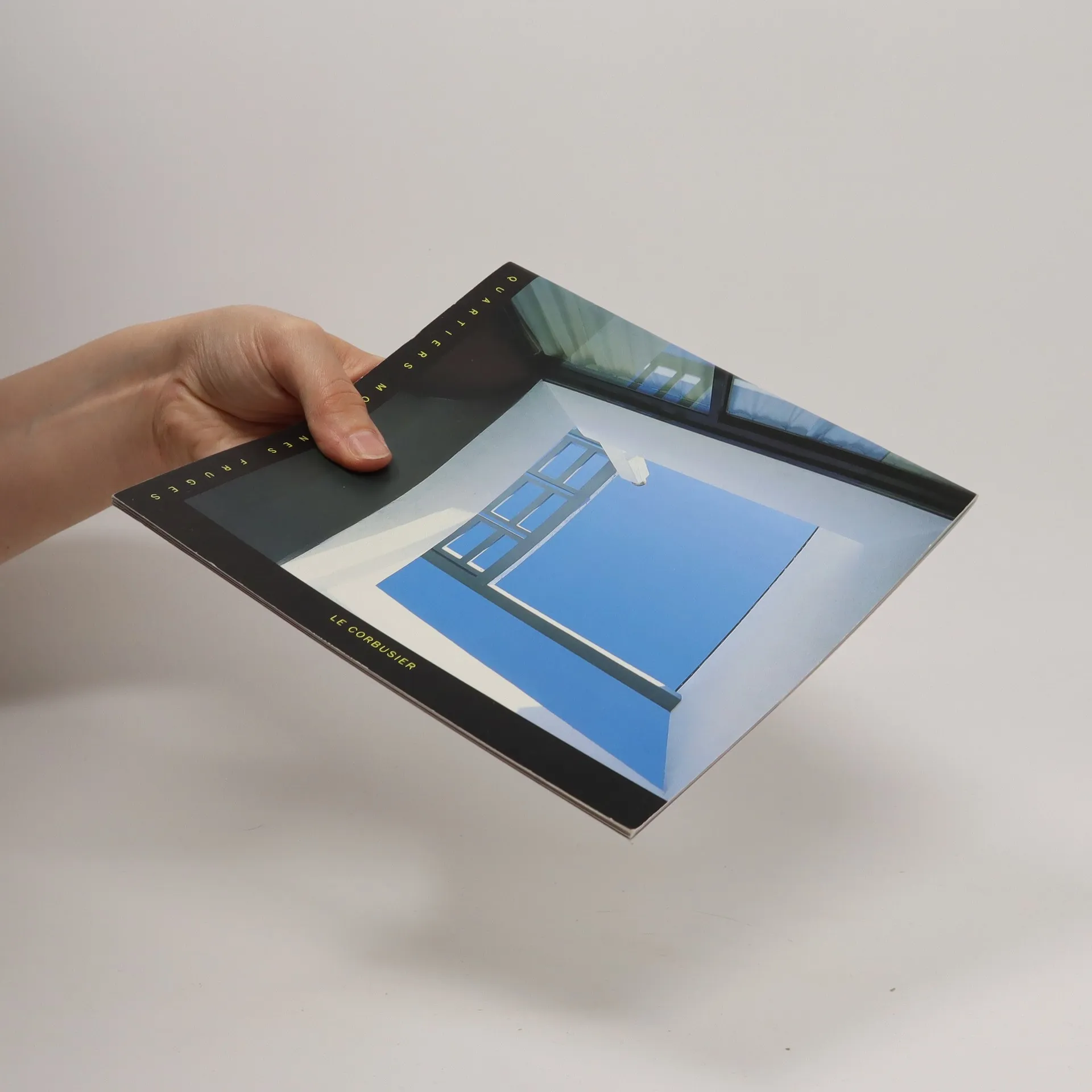
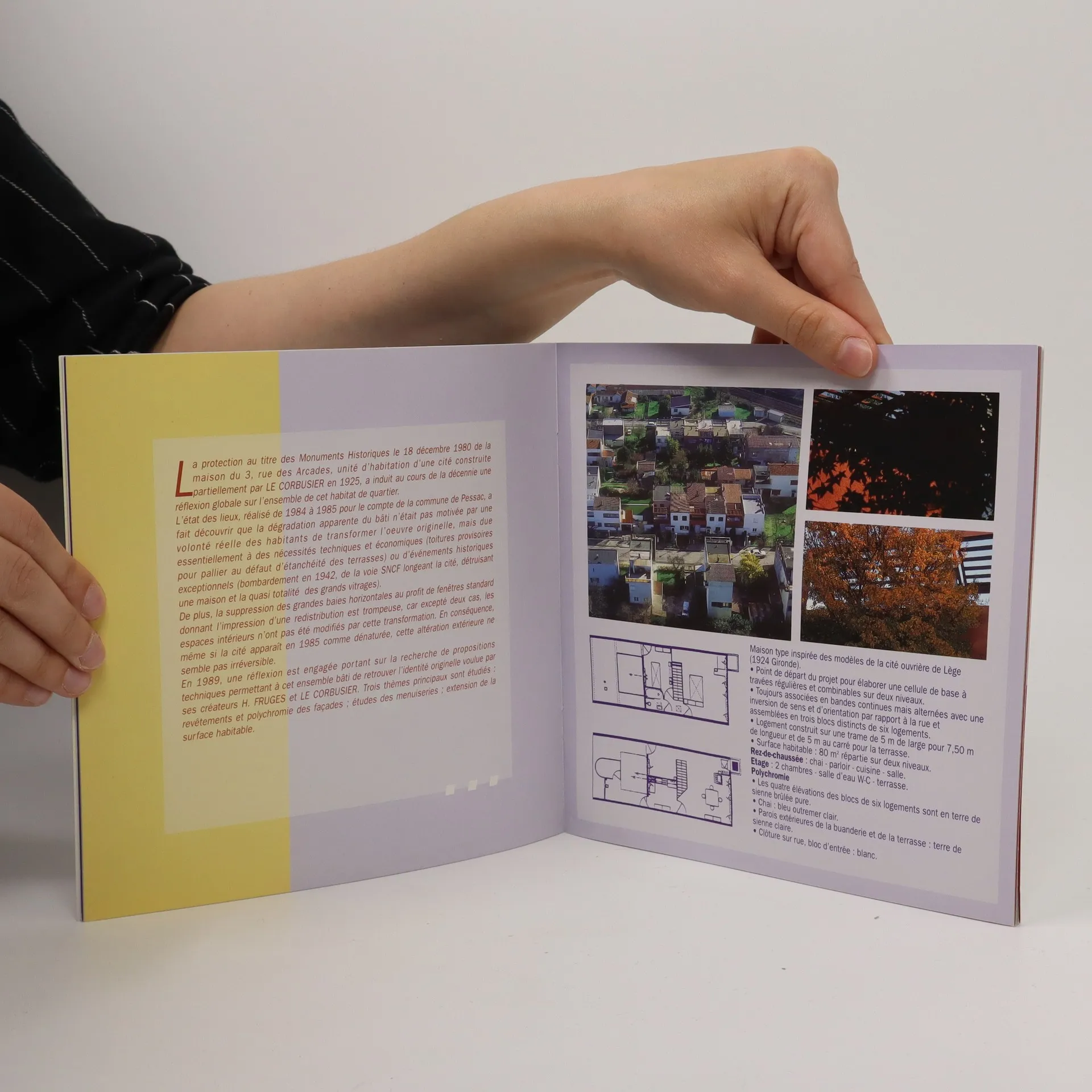
in 1923/24 Henry Frugès, a Bordeaux industrialist commissioned Le Corbusier and Pierre Jeanneret with a „small workers housing estate“ in Lège and a garden city in Pessac, comprising 130 to 150 houses with shops. These two housing schemes fitted neatly into the architects research on standardisation and the „machine à habiter“, and provided a useful laboratory for gauging public opinion with regard to mass-production techniques in housing estates. One of the most striking features of the Cité Frugès was the use of polychromy on the exterior facades, to, in Le Corbusier's own words, „sculpt the space through the physical quality of colour - bring forward some volumes while making others recede. In short, compose with colour in the same way as we have composed with form. This is how architecture is transformed into urbanism.“ Historical documents and drawings make this handy-sized volume an invaluable guide for visitors and a practical introduction for all architectural enthusiasts.
Achat du livre
Le Corbusier: les Quartiers Modernes Fruges, Marylène Ferrand, Sarah Parsons
- Langue

- Année de publication
- 1998
- Reliure
- (souple)
Modes de paiement
Il manque plus que ton avis ici.
- Titre
- Le Corbusier: les Quartiers Modernes Fruges
- Langue
- Français
- Auteurs
- Marylène Ferrand, Sarah Parsons
- Éditeur
- Birkhäuser
- Publié
- 1998
- Format
- souple
- Pages
- 143
- ISBN10
- 3764358084
- ISBN13
- 9783764358082
- Séries
- Mots clés
- Architecture
- Évaluation
- 2 sur 5
- Description
- in 1923/24 Henry Frugès, a Bordeaux industrialist commissioned Le Corbusier and Pierre Jeanneret with a „small workers housing estate“ in Lège and a garden city in Pessac, comprising 130 to 150 houses with shops. These two housing schemes fitted neatly into the architects research on standardisation and the „machine à habiter“, and provided a useful laboratory for gauging public opinion with regard to mass-production techniques in housing estates. One of the most striking features of the Cité Frugès was the use of polychromy on the exterior facades, to, in Le Corbusier's own words, „sculpt the space through the physical quality of colour - bring forward some volumes while making others recede. In short, compose with colour in the same way as we have composed with form. This is how architecture is transformed into urbanism.“ Historical documents and drawings make this handy-sized volume an invaluable guide for visitors and a practical introduction for all architectural enthusiasts.