

En savoir plus sur le livre
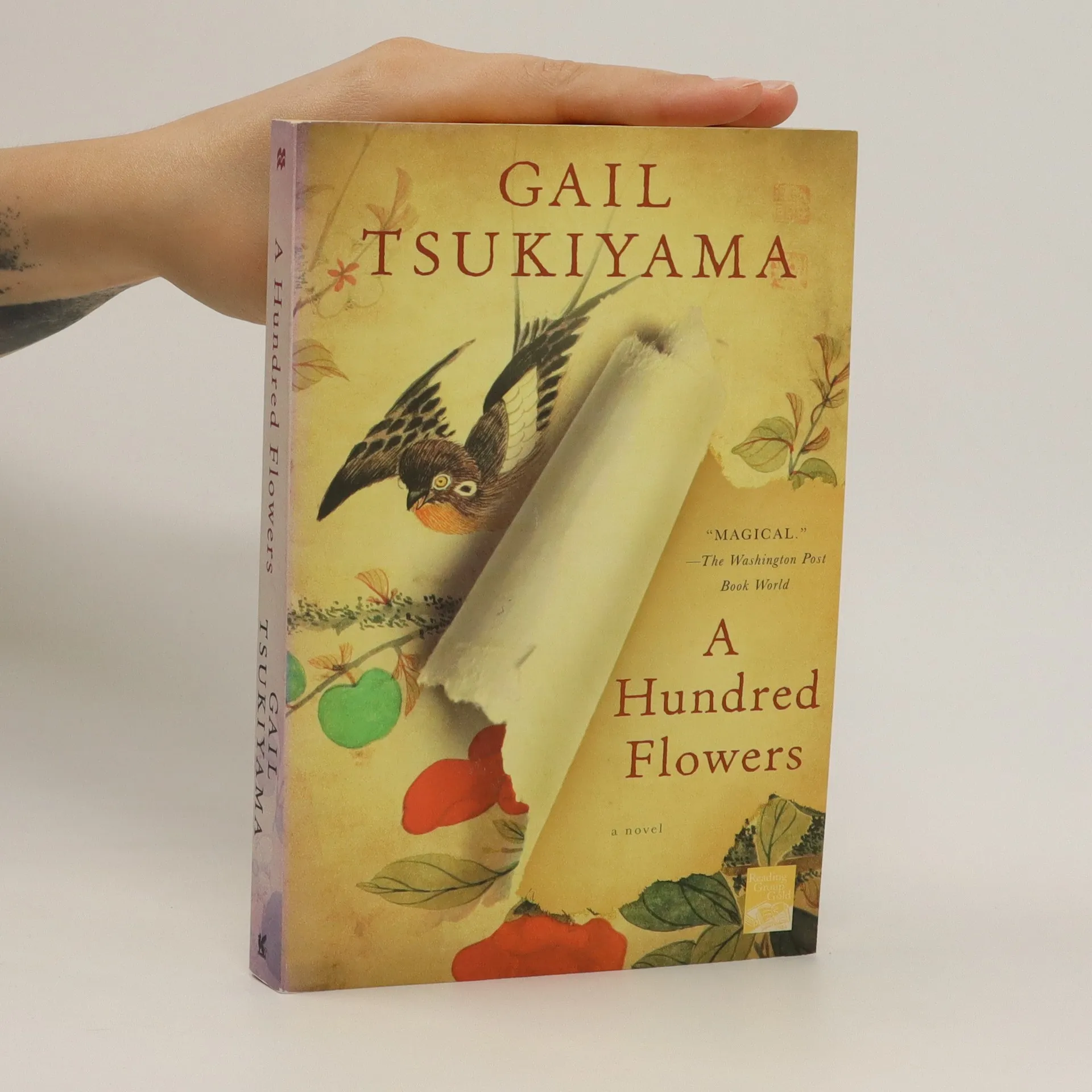
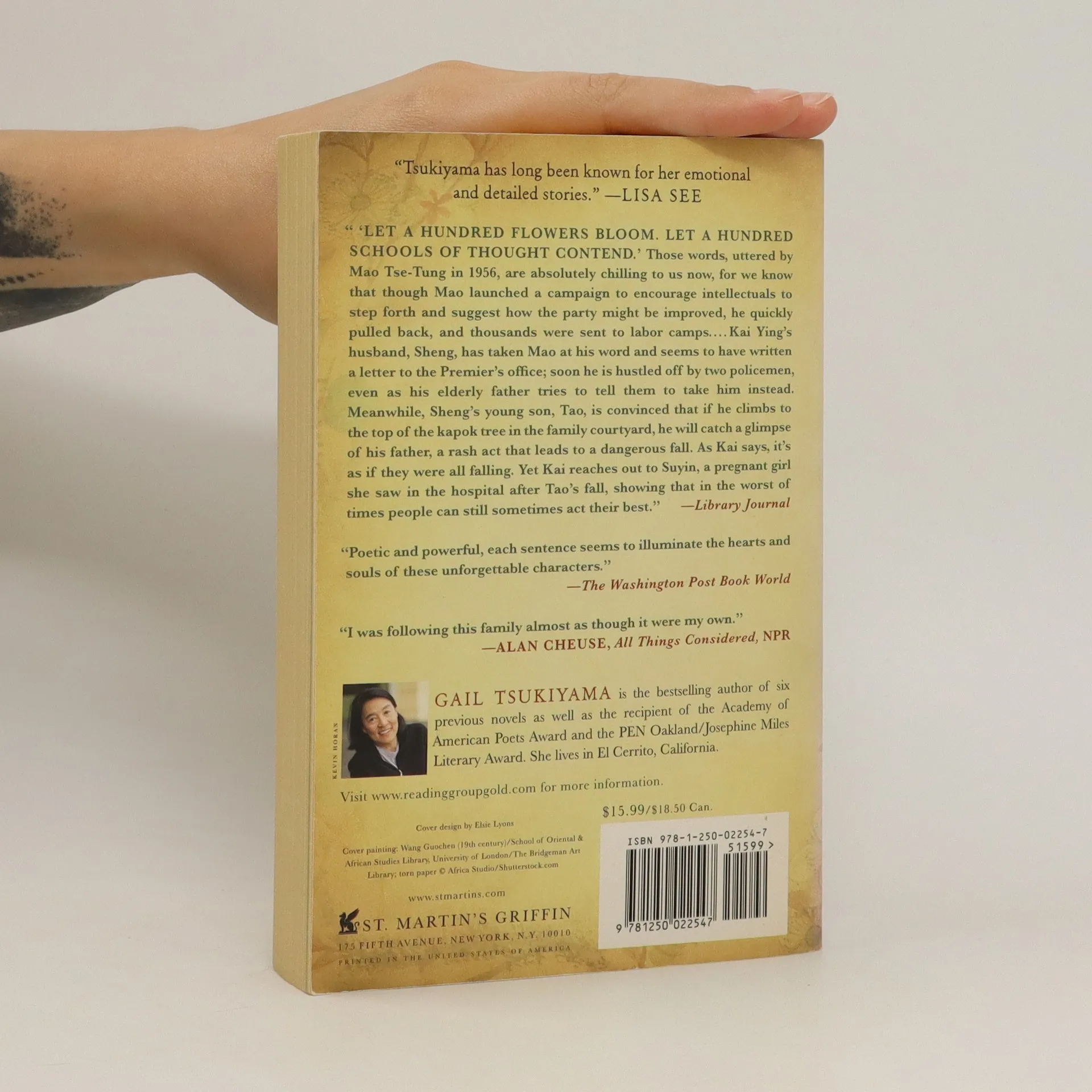
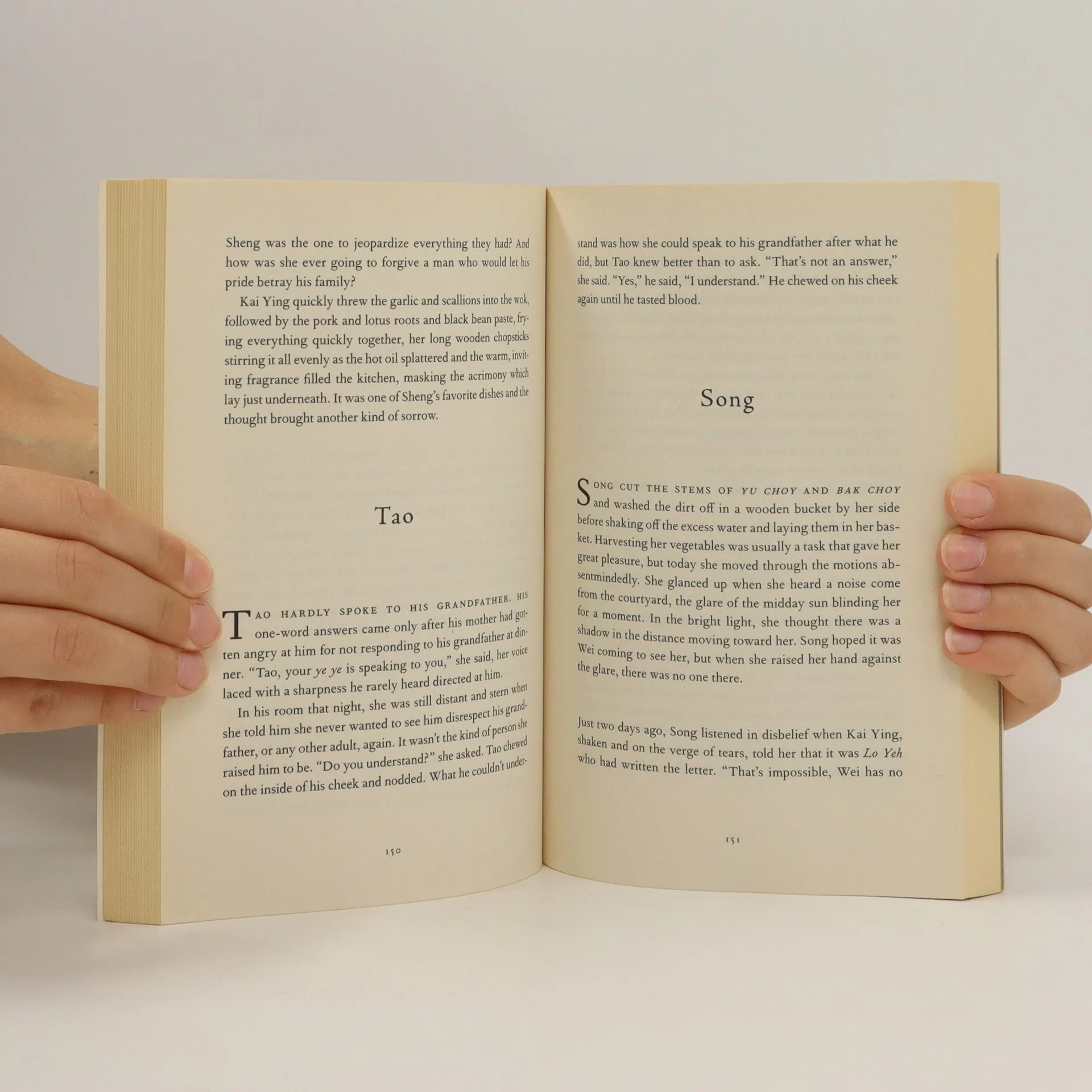
Gail Tsukiyama's A Hundred Flowers is powerful novel about an ordinary family facing extraordinary times at the start of the Chinese Cultural Revolution China, 1957. Chairman Mao has declared a new openness in society: "Let a hundred flowers bloom; let a hundred schools of thought contend." Many intellectuals fear it is only a trick, and Kai Ying's husband, Sheng, a teacher, has promised not to jeopardize their safety or that of their young son, Tao. But one July morning, just before his sixth birthday, Tao watches helplessly as Sheng is dragged away for writing a letter criticizing the Communist Party and sent to a labor camp for "reeducation." A year later, still missing his father desperately, Tao climbs to the top of the hundred-year-old kapok tree in front of their home, wanting to see the mountain peaks in the distance. But Tao slips and tumbles thirty feet to the courtyard below, badly breaking his leg. As Kai Ying struggles to hold her small family together in the face of this shattering reminder of her husband's absence, other members of the household must face their own guilty secrets and strive to find peace in a world where the old sense of order is falling. Once again, Tsukiyama brings us a powerfully moving story of ordinary people facing extraordinary circumstances with grace and courage.
Achat du livre
A Hundred Flowers, Gail Tsukiyama
- Langue

- Année de publication
- 2013
- Reliure
- (souple)
Modes de paiement
Il manque plus que ton avis ici.
- Titre
- A Hundred Flowers
- Langue
- Anglais
- Auteurs
- Gail Tsukiyama
- Éditeur
- St. Martin's Griffin
- Publié
- 2013
- Format
- souple
- Pages
- 320
- ISBN10
- 1250022541
- ISBN13
- 9781250022547
- Séries
- Catégories
- Mots clés
- Asie, Chine, Littérature asiatique
- Évaluation
- 3,85 sur 5
- Description
- Gail Tsukiyama's A Hundred Flowers is powerful novel about an ordinary family facing extraordinary times at the start of the Chinese Cultural Revolution China, 1957. Chairman Mao has declared a new openness in society: "Let a hundred flowers bloom; let a hundred schools of thought contend." Many intellectuals fear it is only a trick, and Kai Ying's husband, Sheng, a teacher, has promised not to jeopardize their safety or that of their young son, Tao. But one July morning, just before his sixth birthday, Tao watches helplessly as Sheng is dragged away for writing a letter criticizing the Communist Party and sent to a labor camp for "reeducation." A year later, still missing his father desperately, Tao climbs to the top of the hundred-year-old kapok tree in front of their home, wanting to see the mountain peaks in the distance. But Tao slips and tumbles thirty feet to the courtyard below, badly breaking his leg. As Kai Ying struggles to hold her small family together in the face of this shattering reminder of her husband's absence, other members of the household must face their own guilty secrets and strive to find peace in a world where the old sense of order is falling. Once again, Tsukiyama brings us a powerfully moving story of ordinary people facing extraordinary circumstances with grace and courage.