



En savoir plus sur le livre
Bultmann's pioneering study of the New Testament initiated a new era in biblical studies in the Twentieth Century. Together with Karl Barth, Bultmann broke with liberal theology, but his often misunderstood program of demythologization took him in a radically different direction from Barth. In many respects Bultmann set the agenda for biblical theology in the decades following World War II. This volume concentrates on the key texts and ideas in Bultmann's thought. It presents the essential Bultmann for students and the general reader. Roger Johnson's introductory essay and notes on the selected texts set Bultmann in his historical context, chart the development of his thought, and indicate the significance of his theology in the development of Christian theology as a whole. Substantial selections from Bultmann's work illustrate key God as "Wholly Other" Jesus and the Eschatological Kingdom Existentialist interpretation Kerygma Faith and Modernity in conflict controversial slogan and theological focus
Achat du livre
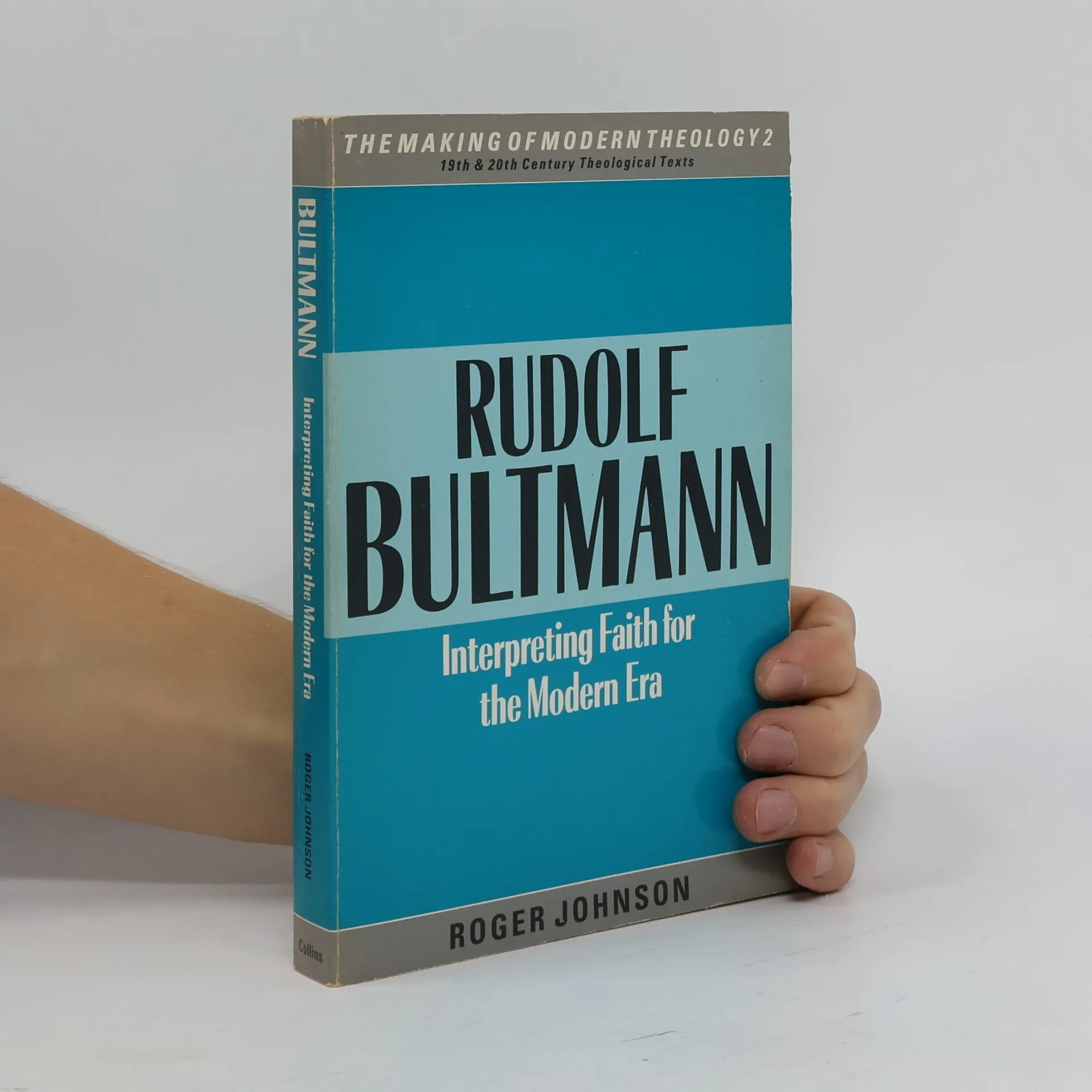
Rudolf Bultmann. Interpreting Faith for the Modern Era, Roger D. Johnson
- Langue

- Année de publication
- 1987
- product-detail.submit-box.info.binding
- (souple)
Modes de paiement
Il manque plus que ton avis ici.
- Titre
- Rudolf Bultmann. Interpreting Faith for the Modern Era
- Langue
- Anglais
- Auteurs
- Roger D. Johnson
- Éditeur
- Collins
- Publié
- 1987
- Format
- souple
- Pages
- 346
- ISBN10
- 0005999774
- ISBN13
- 9780005999776
- Séries
- Mots clés
- Esotérisme & Religion, Thèmes religieux, Religion, Théologie
- Évaluation
- 4 sur 5
- Description
- Bultmann's pioneering study of the New Testament initiated a new era in biblical studies in the Twentieth Century. Together with Karl Barth, Bultmann broke with liberal theology, but his often misunderstood program of demythologization took him in a radically different direction from Barth. In many respects Bultmann set the agenda for biblical theology in the decades following World War II. This volume concentrates on the key texts and ideas in Bultmann's thought. It presents the essential Bultmann for students and the general reader. Roger Johnson's introductory essay and notes on the selected texts set Bultmann in his historical context, chart the development of his thought, and indicate the significance of his theology in the development of Christian theology as a whole. Substantial selections from Bultmann's work illustrate key God as "Wholly Other" Jesus and the Eschatological Kingdom Existentialist interpretation Kerygma Faith and Modernity in conflict controversial slogan and theological focus