

En savoir plus sur le livre
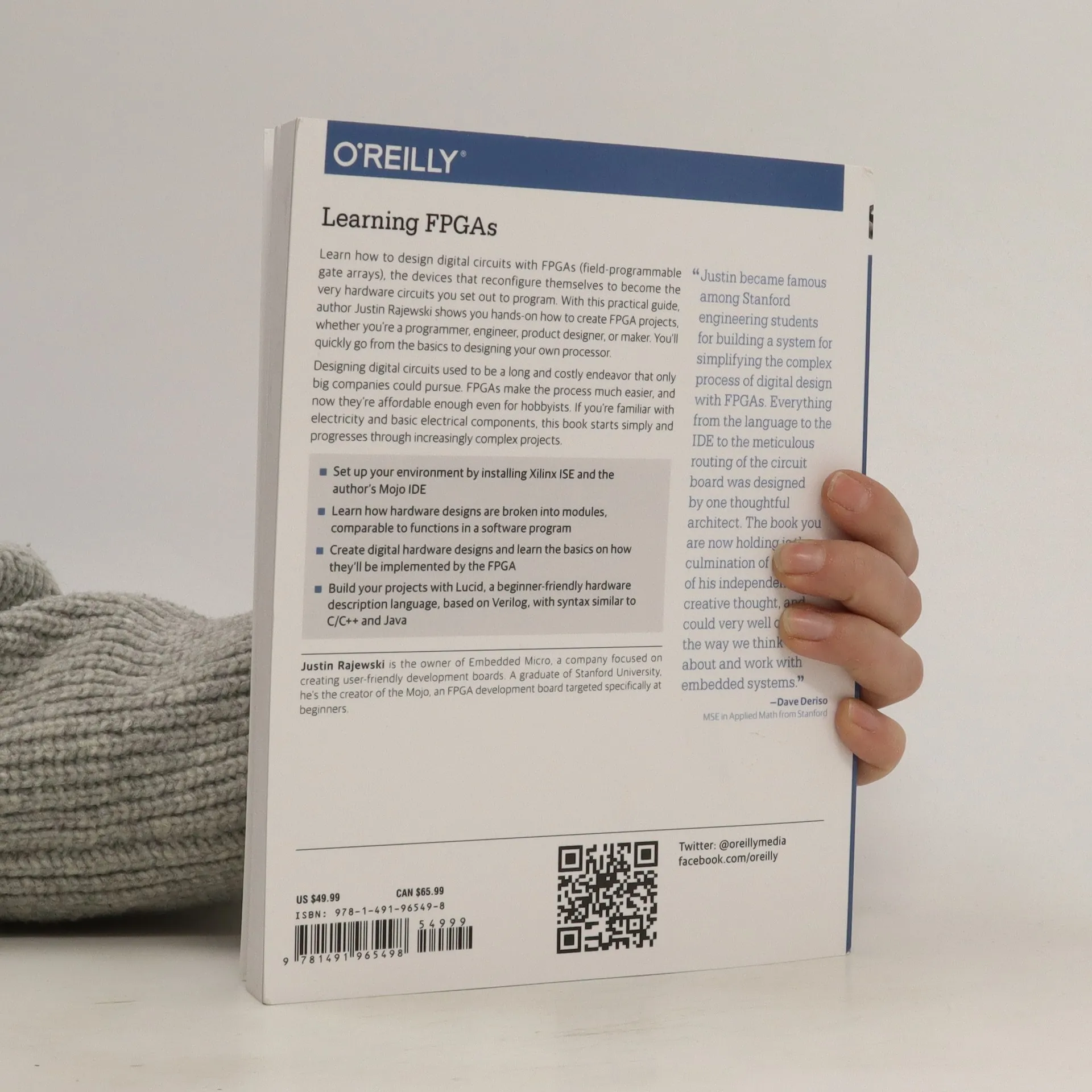
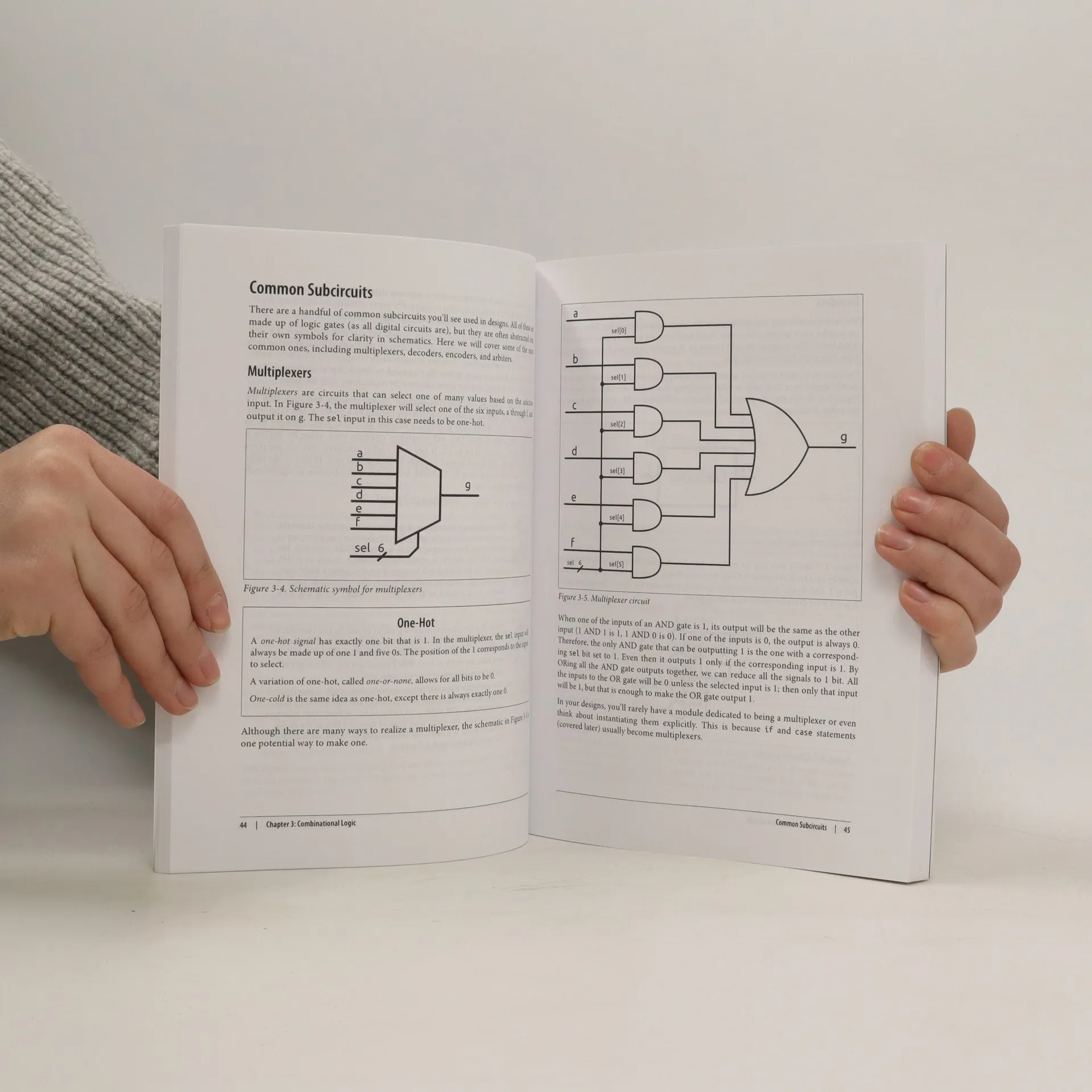
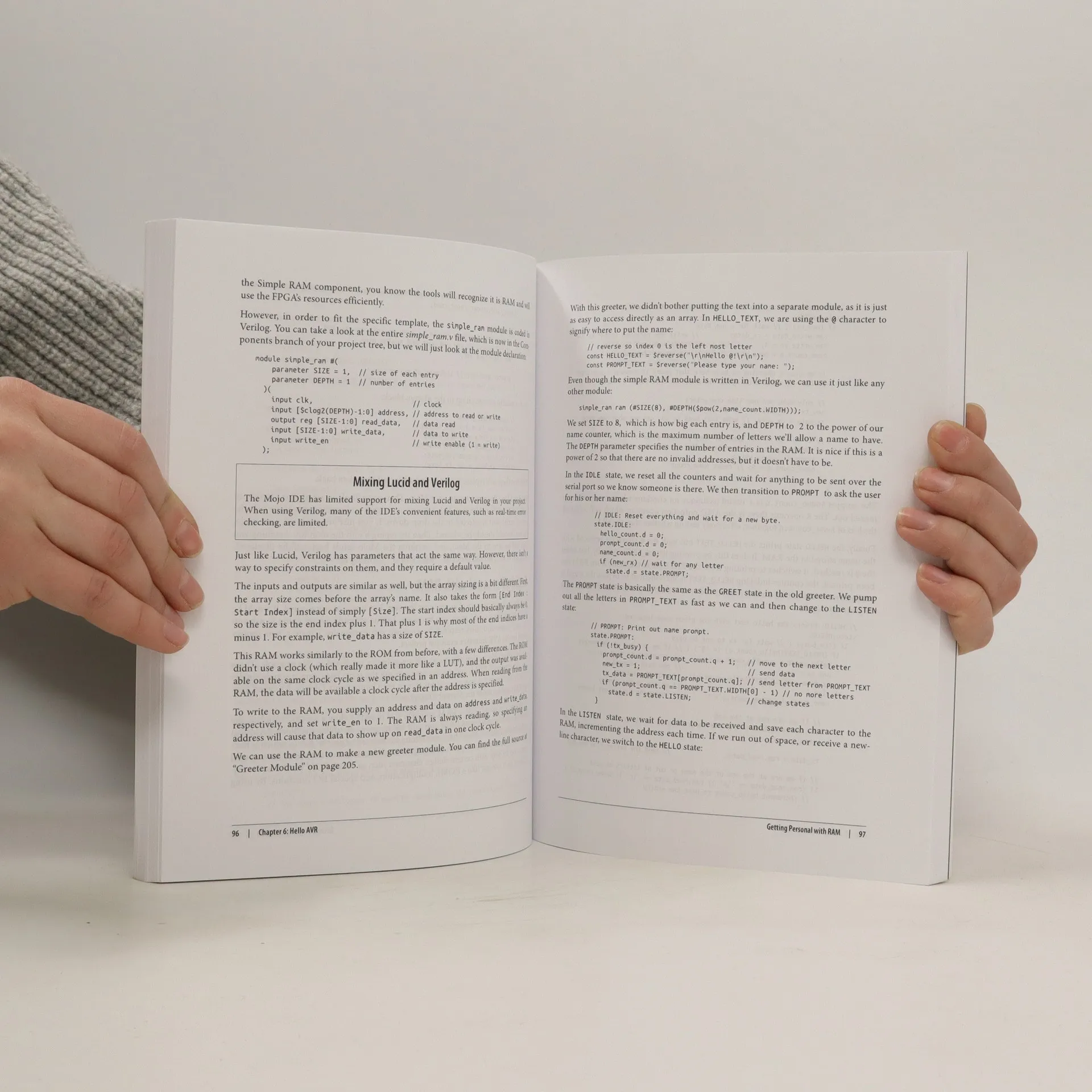
Learn how to design digital circuits with FPGAs (field-programmable gate arrays), the devices that reconfigure themselves to become the very hardware circuits you set out to program. With this practical guide, author Justin Rajewski shows you hands-on how to create FPGA projects, whether you're a programmer, engineer, product designer, or maker. You'll quickly go from the basics to designing your own processor. Designing digital circuits used to be a long and costly endeavor that only big companies could pursue. FPGAs make the process much easier, and now they're affordable enough even for hobbyists. If you're familiar with electricity and basic electrical components, this book starts simply and progresses through increasingly complex projects. Set up your environment by installing Xilinx ISE and the author's Mojo IDE Learn how hardware designs are broken into modules, comparable to functions in a software program Create digital hardware designs and learn the basics on how they'll be implemented by the FPGA Build your projects with Lucid, a beginner-friendly hardware description language, based on Verilog, with syntax similar to C/C++ and Java
Achat du livre
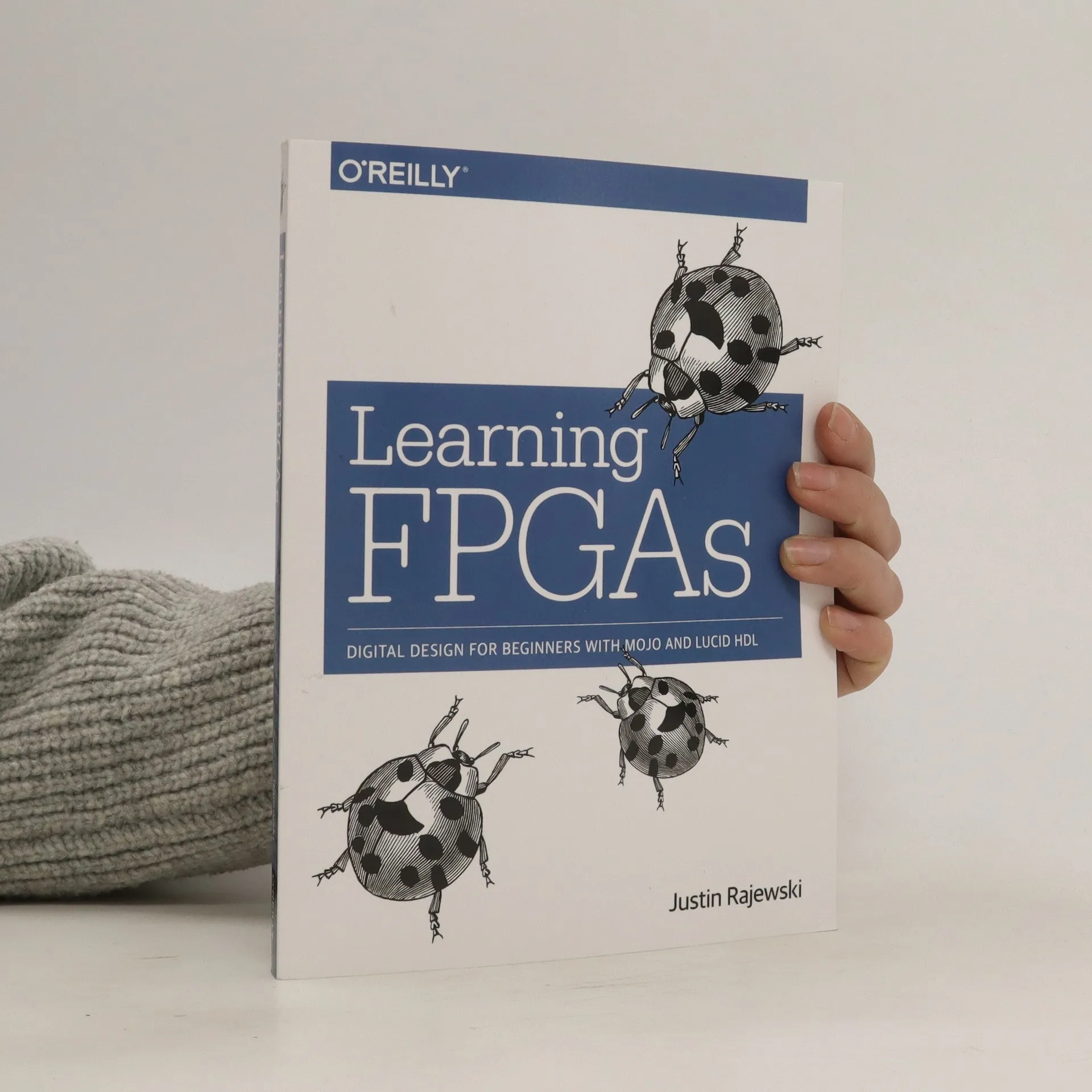
Learning FPGAs, Justin Rajewski
- Langue

- Année de publication
- 2017
- Reliure
- (souple)
Modes de paiement
Personne n'a encore évalué .
- Titre
- Learning FPGAs
- Langue
- Anglais
- Auteurs
- Justin Rajewski
- Éditeur
- O'Reilly
- Publié
- 2017
- Format
- souple
- Pages
- 230
- ISBN10
- 1491965495
- ISBN13
- 9781491965498
- Séries
- Mots clés
- Description
- Learn how to design digital circuits with FPGAs (field-programmable gate arrays), the devices that reconfigure themselves to become the very hardware circuits you set out to program. With this practical guide, author Justin Rajewski shows you hands-on how to create FPGA projects, whether you're a programmer, engineer, product designer, or maker. You'll quickly go from the basics to designing your own processor. Designing digital circuits used to be a long and costly endeavor that only big companies could pursue. FPGAs make the process much easier, and now they're affordable enough even for hobbyists. If you're familiar with electricity and basic electrical components, this book starts simply and progresses through increasingly complex projects. Set up your environment by installing Xilinx ISE and the author's Mojo IDE Learn how hardware designs are broken into modules, comparable to functions in a software program Create digital hardware designs and learn the basics on how they'll be implemented by the FPGA Build your projects with Lucid, a beginner-friendly hardware description language, based on Verilog, with syntax similar to C/C++ and Java