

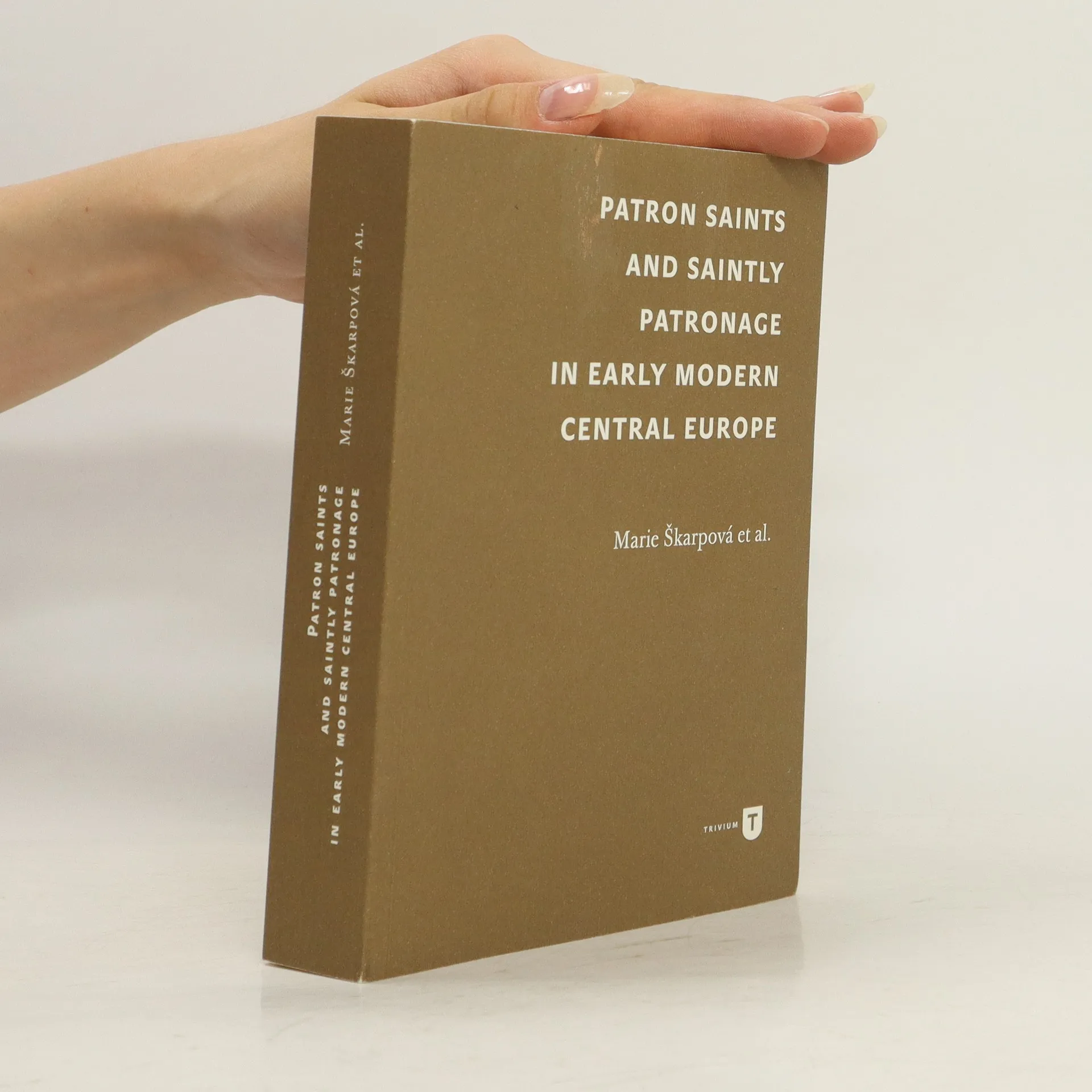

Patron Saints and Saintly Patronage in Early Modern Central Europe
Auteurs
En savoir plus sur le livre
Even though the cult of patron saints is still viewed as an integral part - or even a distinctive feature - of Catholicism, it is not defined by any of the Christian dogmas. Since this is the case, what has made patron saints so constantly popular? The interdisciplinary edited volume Patron Saints and Saintly Patronage in Early Modern Central Europe wants to contribute to the searching for answers to this question. The concept of saintly patronage as a Christian religious practice allowing for the appealing image of centuries-long stability comes under criticism in the first part of the book. On examples particularly from Central Europe it analyses the intricacy of the process of establishing saintly patronage, the strategies for popularising the cults of patron saints, and the modifications of the patronages of a particular saint. While the concept of a patron saint has always been primarily connected with sacrum, it also allowed for the creation of meanings that go beyond this sphere
Achat du livre
Patron Saints and Saintly Patronage in Early Modern Central Europe, Marie Škarpová
- Langue

- Année de publication
- 2019
- Reliure
- (souple)
Modes de paiement
Personne n'a encore évalué .
- Titre
- Patron Saints and Saintly Patronage in Early Modern Central Europe
- Langue
- Anglais
- Auteurs
- Marie Škarpová
- Publié
- 2019
- Format
- souple
- Pages
- 369
- ISBN10
- 8073089483
- ISBN13
- 9788073089481
- Séries
- Catégories
- Mots clés
- Thèmes religieux
- Description
- Even though the cult of patron saints is still viewed as an integral part - or even a distinctive feature - of Catholicism, it is not defined by any of the Christian dogmas. Since this is the case, what has made patron saints so constantly popular? The interdisciplinary edited volume Patron Saints and Saintly Patronage in Early Modern Central Europe wants to contribute to the searching for answers to this question. The concept of saintly patronage as a Christian religious practice allowing for the appealing image of centuries-long stability comes under criticism in the first part of the book. On examples particularly from Central Europe it analyses the intricacy of the process of establishing saintly patronage, the strategies for popularising the cults of patron saints, and the modifications of the patronages of a particular saint. While the concept of a patron saint has always been primarily connected with sacrum, it also allowed for the creation of meanings that go beyond this sphere