

En savoir plus sur le livre
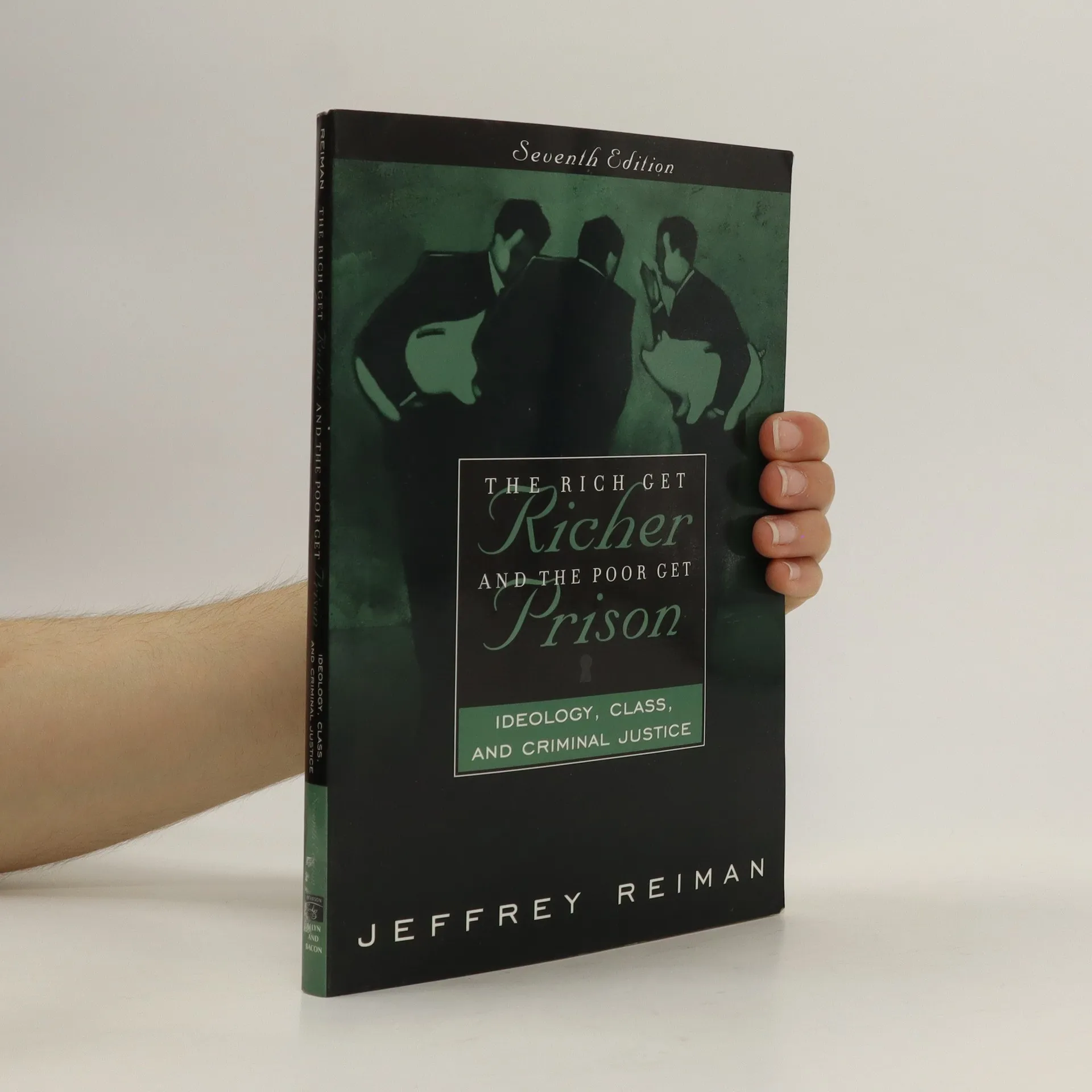
What if our criminal justice system is biased against the poor from start to finish - from the definition of what constitutes a crime through the process of arrest, trial, and sentencing? The author argues that actions of well-off people—refusal to make workplaces safe, refusal to curtail deadly pollution, promotion of unnecessary surgery, prescription of unnecessary drugs, etc.—cause occupational and environmental hazards to innocent members of the public and produce as much death, destruction, and financial loss as so-called crimes of the poor. However, these crimes of the well-off are rarely treated as severely as those of the poor. Reiman documents the extent of anti-poor bias in arrest, conviction, and sentencing practices and shows that the bias is conjoined with a general refusal to remedy the causes of crime—poverty, poor education, and discrimination. As a result, the criminal justice system fails to reduce crime. The author uses numerous studies and examples to illustrate his points, and difficult concepts are explained in a non-technical manner. The book provokes thought and discussion, even among people who disagree with its content.
Achat du livre
The Rich Get Richer and the Poor Get Prison, Jeffrey H. Reiman
- Langue

- Année de publication
- 2004
- Reliure
- (souple)
Modes de paiement
Il manque plus que ton avis ici.
- Titre
- The Rich Get Richer and the Poor Get Prison
- Langue
- Anglais
- Auteurs
- Jeffrey H. Reiman
- Éditeur
- Allyn & Bacon
- Publié
- 2004
- Format
- souple
- Pages
- 256
- ISBN10
- 0205386644
- ISBN13
- 9780205386642
- Séries
- Mots clés
- Commerce, Thématique juridique, Politique, Justice sociale
- Évaluation
- 4,05 sur 5
- Description
- What if our criminal justice system is biased against the poor from start to finish - from the definition of what constitutes a crime through the process of arrest, trial, and sentencing? The author argues that actions of well-off people—refusal to make workplaces safe, refusal to curtail deadly pollution, promotion of unnecessary surgery, prescription of unnecessary drugs, etc.—cause occupational and environmental hazards to innocent members of the public and produce as much death, destruction, and financial loss as so-called crimes of the poor. However, these crimes of the well-off are rarely treated as severely as those of the poor. Reiman documents the extent of anti-poor bias in arrest, conviction, and sentencing practices and shows that the bias is conjoined with a general refusal to remedy the causes of crime—poverty, poor education, and discrimination. As a result, the criminal justice system fails to reduce crime. The author uses numerous studies and examples to illustrate his points, and difficult concepts are explained in a non-technical manner. The book provokes thought and discussion, even among people who disagree with its content.