

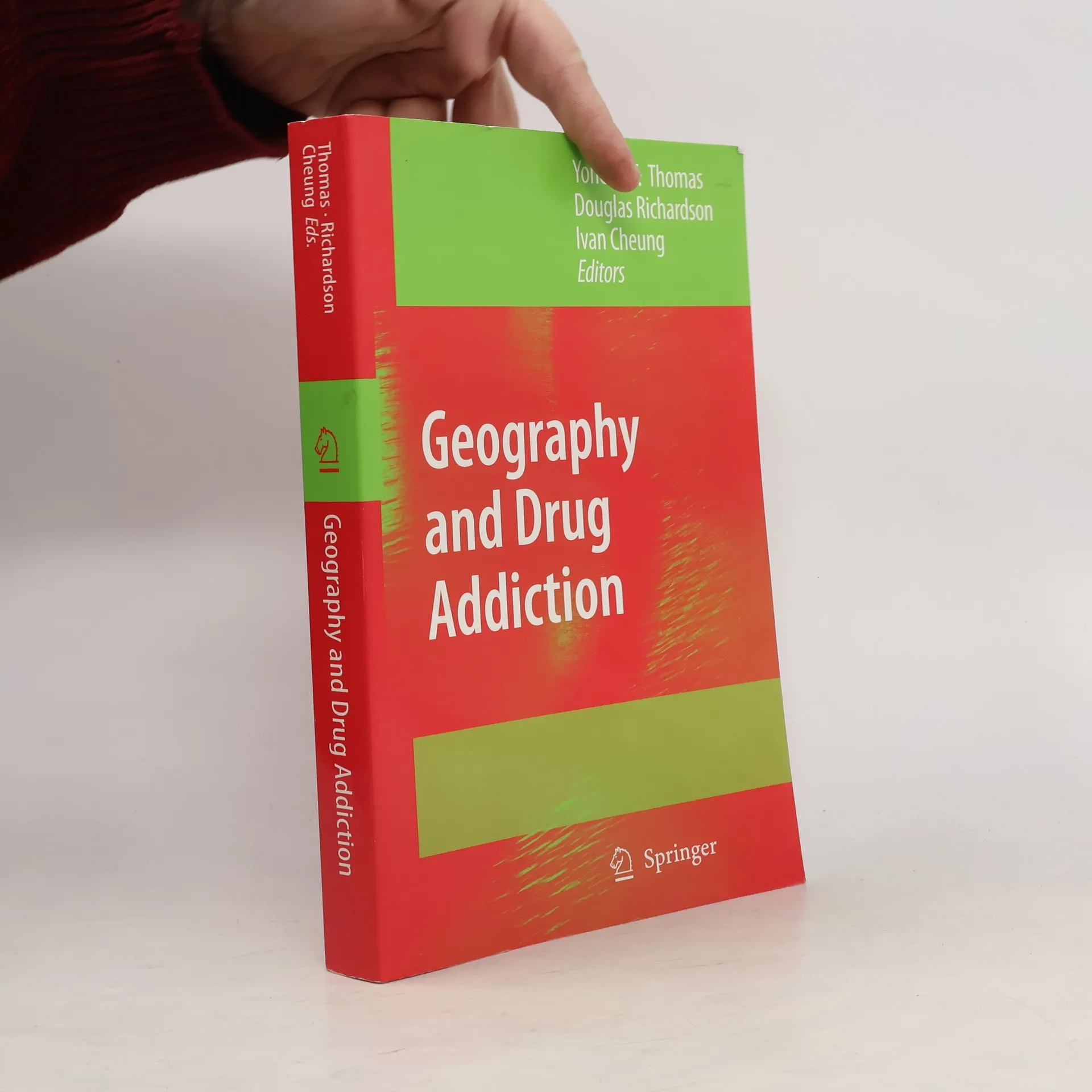

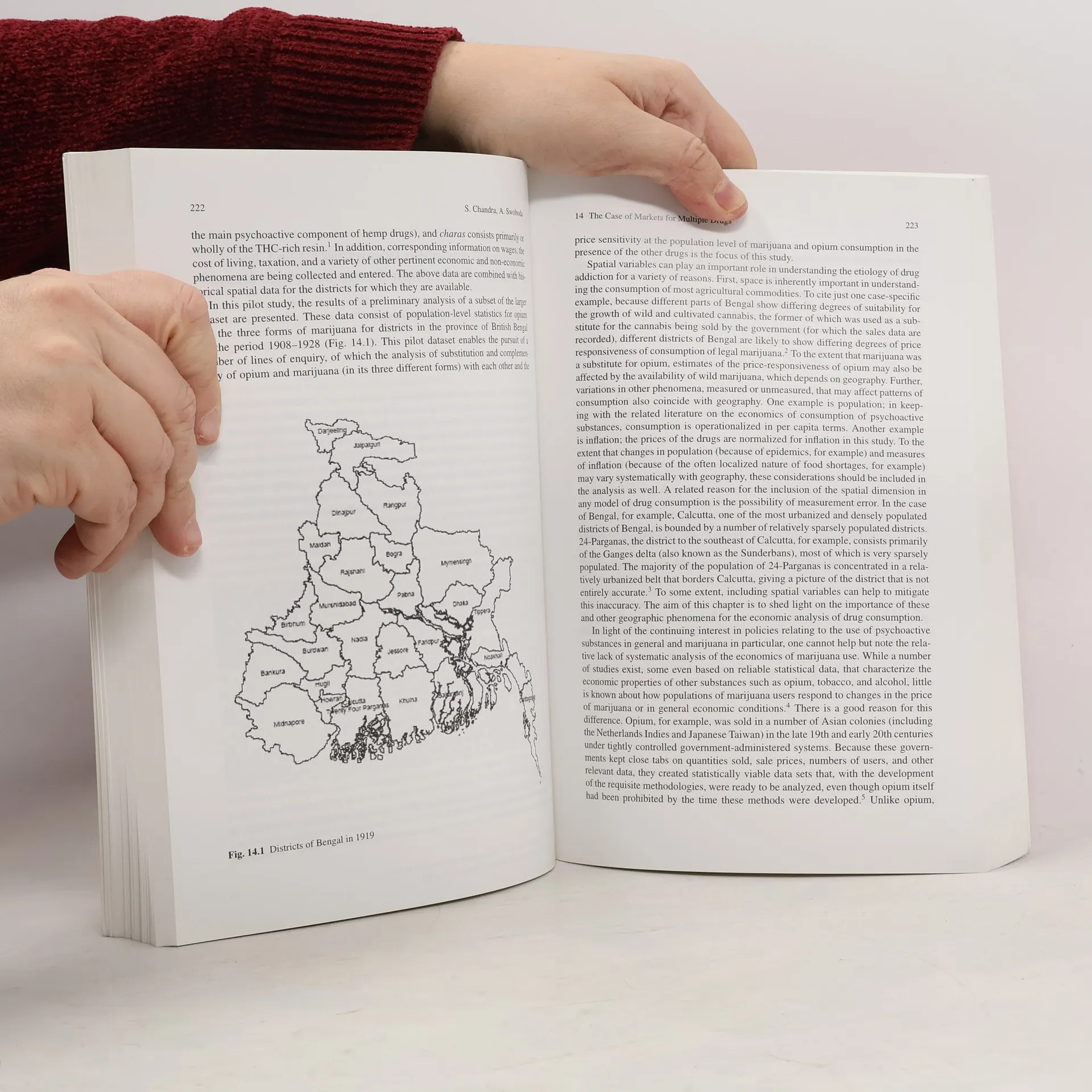
Geography and Drug Addiction
En savoir plus sur le livre
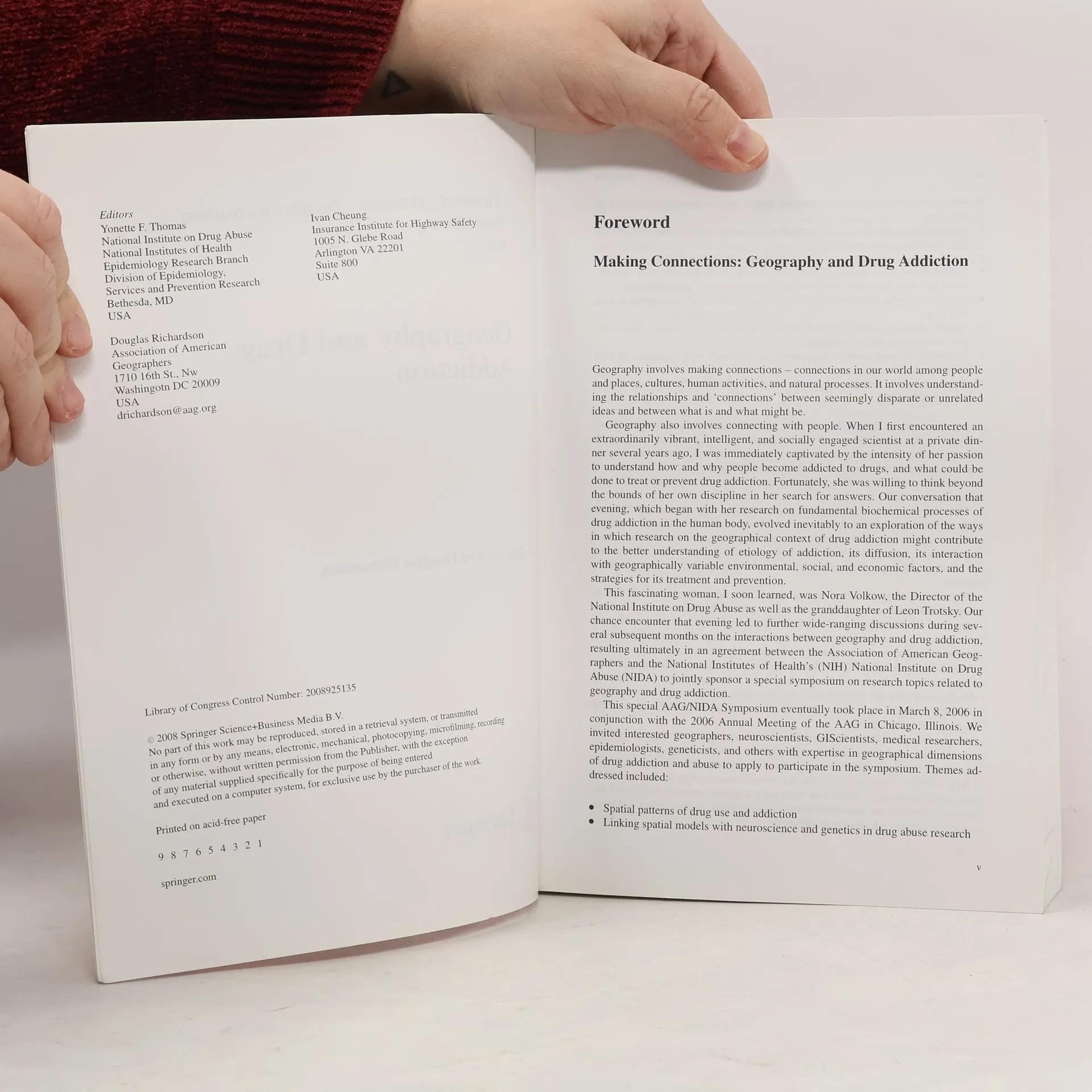
Making Connections: Geography and Drug Addiction Geography involves making connections – connections in our world among people and places, cultures, human activities, and natural processes. It involves understa- ing the relationships and ‘connections’ between seemingly disparate or unrelated ideas and between what is and what might be. Geography also involves connecting with people. When I rst encountered an extraordinarily vibrant, intelligent, and socially engaged scientist at a private d- ner several years ago, I was immediately captivated by the intensity of her passion to understand how and why people become addicted to drugs, and what could be done to treat or prevent drug addiction. Fortunately, she was willing to think beyond the bounds of her own discipline in her search for answers. Our conversation that evening, which began with her research on fundamental biochemical processes of drug addiction in the human body, evolved inevitably to an exploration of the ways in which research on the geographical context of drug addiction might contribute to the better understanding of etiology of addiction, its diffusion, its interaction with geographically variable environmental, social, and economic factors, and the strategies for its treatment and prevention. This fascinating woman, I soon learned, was Nora Volkow, the Director of the National Institute on Drug Abuse as well as the granddaughter of Leon Trotsky.
Achat du livre
Geography and Drug Addiction, Yonette F. Thomas, Douglas B Richardson, Ivan Cheung
- Langue

- Année de publication
- 2008
- Reliure
- (souple)
Modes de paiement
Personne n'a encore évalué .
- Titre
- Geography and Drug Addiction
- Langue
- Anglais
- Éditeur
- Springer
- Publié
- 2008
- Format
- souple
- Séries
- Catégories
- Mots clés
- Description
- Making Connections: Geography and Drug Addiction Geography involves making connections – connections in our world among people and places, cultures, human activities, and natural processes. It involves understa- ing the relationships and ‘connections’ between seemingly disparate or unrelated ideas and between what is and what might be. Geography also involves connecting with people. When I rst encountered an extraordinarily vibrant, intelligent, and socially engaged scientist at a private d- ner several years ago, I was immediately captivated by the intensity of her passion to understand how and why people become addicted to drugs, and what could be done to treat or prevent drug addiction. Fortunately, she was willing to think beyond the bounds of her own discipline in her search for answers. Our conversation that evening, which began with her research on fundamental biochemical processes of drug addiction in the human body, evolved inevitably to an exploration of the ways in which research on the geographical context of drug addiction might contribute to the better understanding of etiology of addiction, its diffusion, its interaction with geographically variable environmental, social, and economic factors, and the strategies for its treatment and prevention. This fascinating woman, I soon learned, was Nora Volkow, the Director of the National Institute on Drug Abuse as well as the granddaughter of Leon Trotsky.