


En savoir plus sur le livre
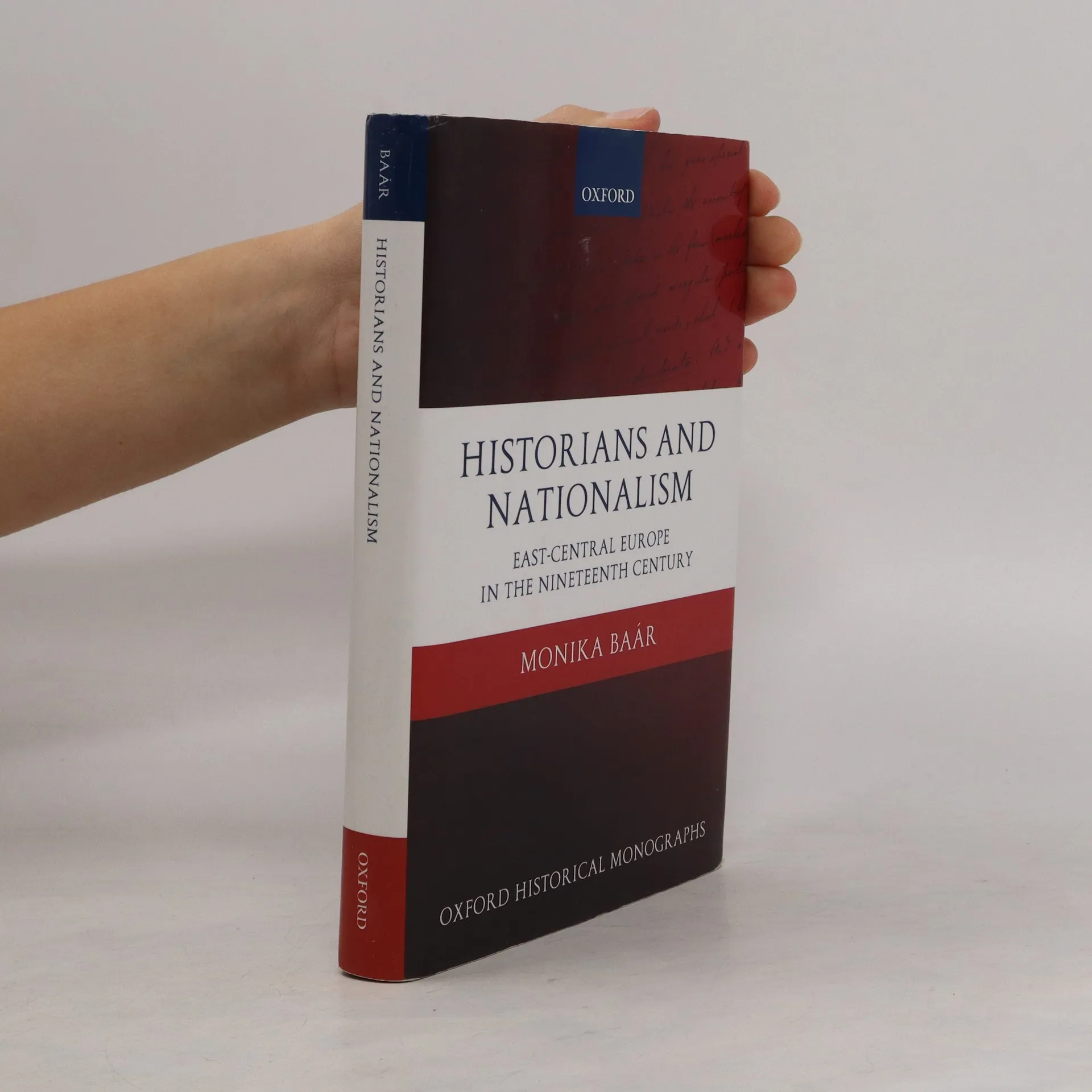
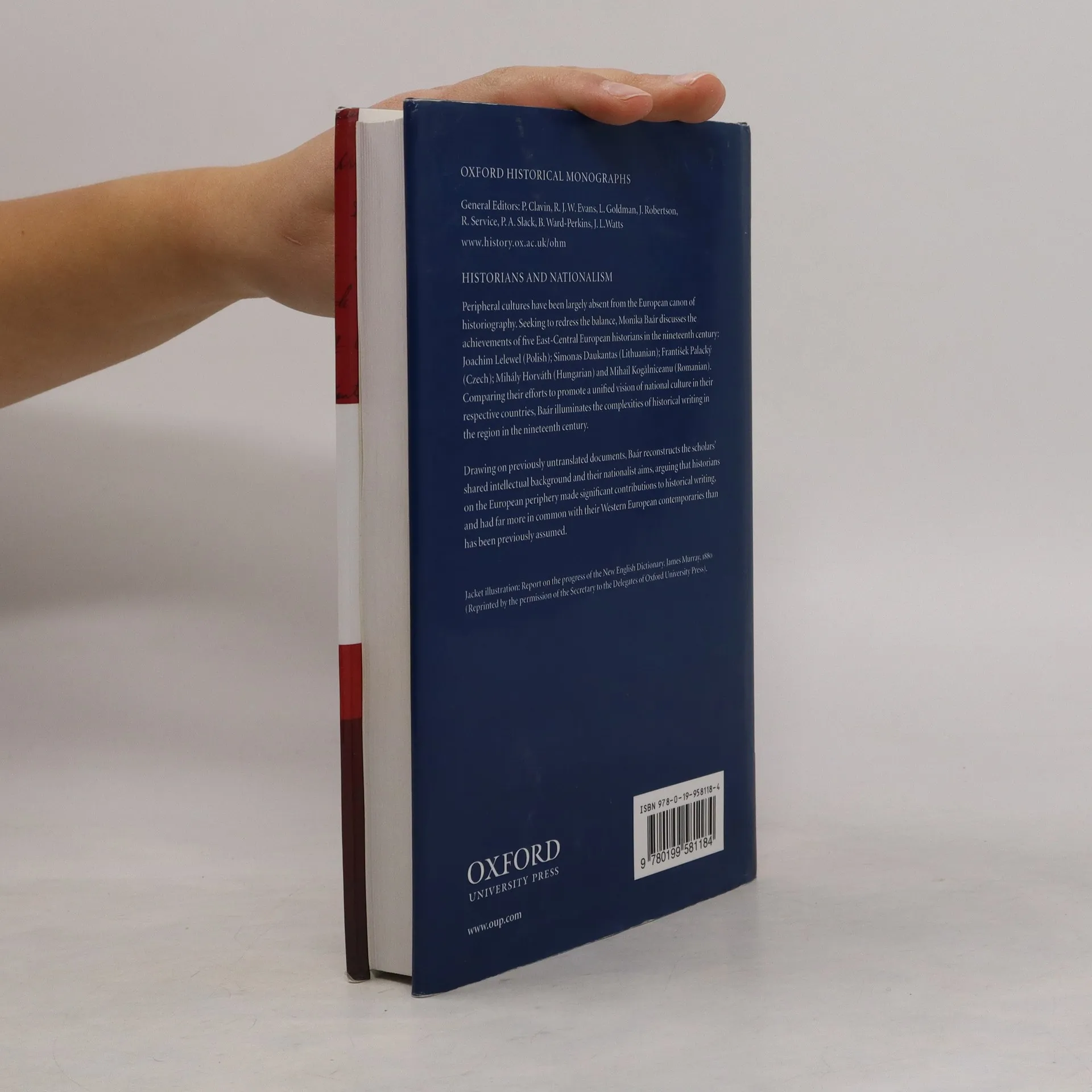
Peripheral cultures have been largely absent from the European canon of historiography. Seeking to redress the balance, Monika Baar discusses the achievements of five East-Central European historians in the nineteenth Joachim Lelewel (Polish); Simonas Daukantas (Lithuanian); Frantisek Palacky (Czech); Mihaly Horvath (Hungarian) and Mihail Kogalniceanu (Romanian). Comparing their efforts to promote a unified vision of national culture in their respective countries, Baar illuminates the complexities of historical writing in the region in the nineteenth century.Drawing on previously untranslated documents, Baar reconstructs the scholars' shared intellectual background and their nationalistic aims, arguing that historians on the European periphery made significant contributions to historical writing, and had far more in common with their Western and Central European contemporaries than has been previously assumed.
Achat du livre
Historians and Nationalism, Monika Baár
- Langue

- Année de publication
- 2010
- Reliure
- (rigide)
Modes de paiement
Il manque plus que ton avis ici.
- Titre
- Historians and Nationalism
- Langue
- Anglais
- Auteurs
- Monika Baár
- Éditeur
- Oxford University Press, USA
- Publié
- 2010
- Format
- rigide
- Pages
- 340
- ISBN10
- 0199581185
- ISBN13
- 9780199581184
- Séries
- Mots clés
- Thème historique
- Évaluation
- 4 sur 5
- Description
- Peripheral cultures have been largely absent from the European canon of historiography. Seeking to redress the balance, Monika Baar discusses the achievements of five East-Central European historians in the nineteenth Joachim Lelewel (Polish); Simonas Daukantas (Lithuanian); Frantisek Palacky (Czech); Mihaly Horvath (Hungarian) and Mihail Kogalniceanu (Romanian). Comparing their efforts to promote a unified vision of national culture in their respective countries, Baar illuminates the complexities of historical writing in the region in the nineteenth century.Drawing on previously untranslated documents, Baar reconstructs the scholars' shared intellectual background and their nationalistic aims, arguing that historians on the European periphery made significant contributions to historical writing, and had far more in common with their Western and Central European contemporaries than has been previously assumed.