

En savoir plus sur le livre
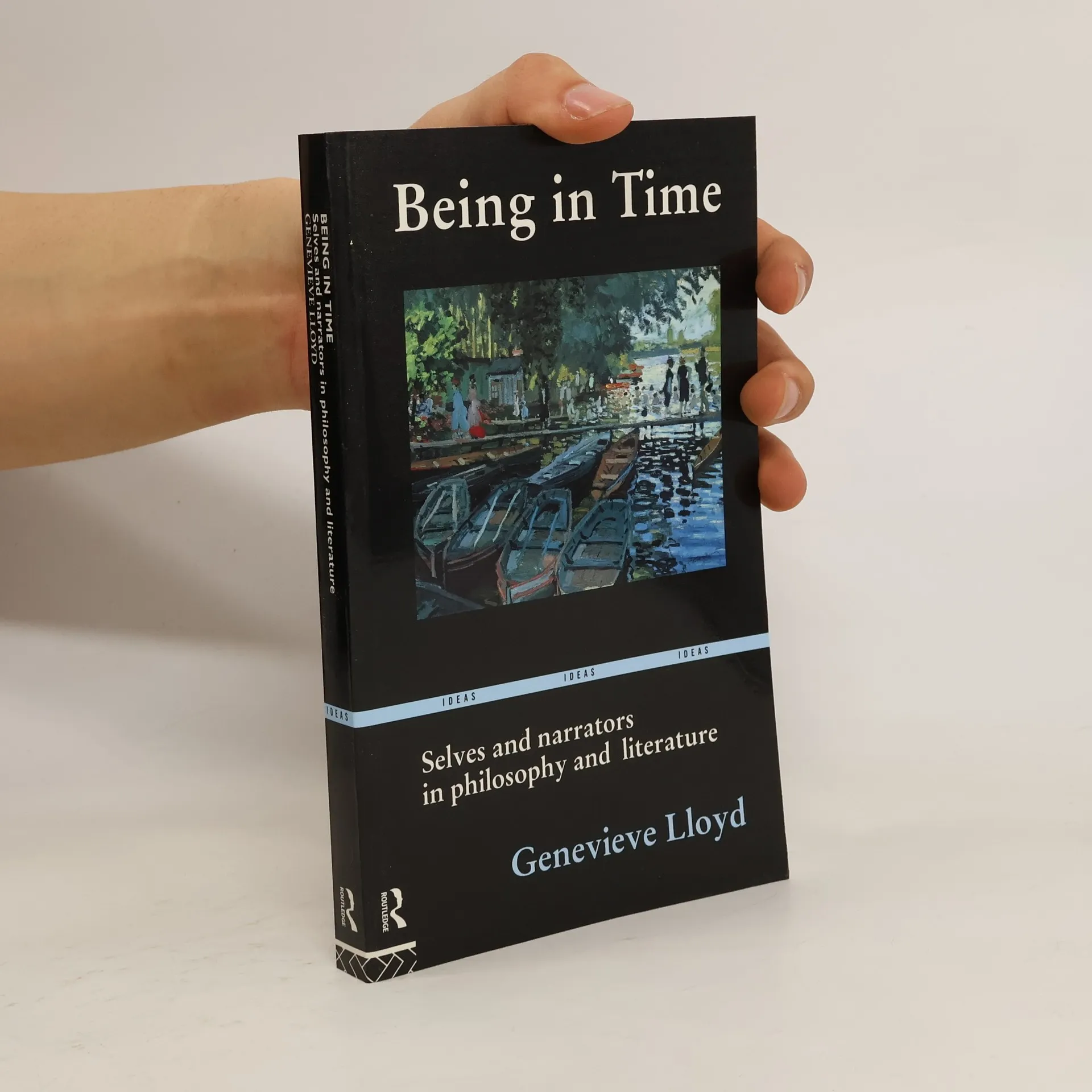
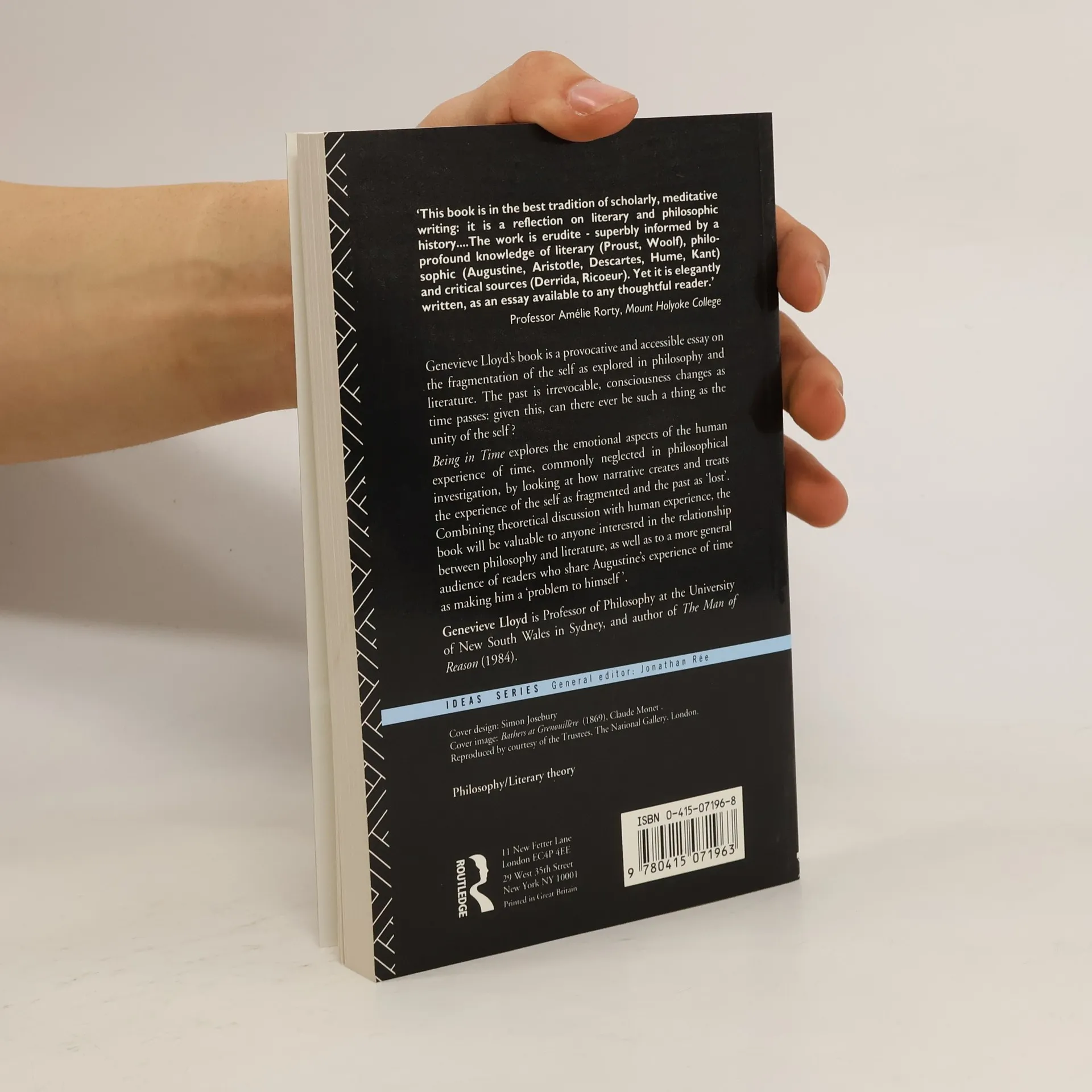
Genevieve Lloyd's book is a provocative and accessible essay on the fragmentation of the self as explored in philosophy and literature. The past is irrevocable, consciousness changes as time passes: given this, can there ever be such a thing as the unity of the self? Being in Time explores the emotional aspects of the human experience of time, commonly neglected in philosophical investigation, by looking at how narrative creates and treats the experience of the self as fragmented and the past as 'lost'. It shows the continuities, and the contrasts, between modern philosophic discussions of the instability of the knowing subject, treatments of the fragmentation of the self in the modern novel and older philosophical discussions of the unity of consciousness. Being in Time combines theoretical discussion with human experience: it will be valuable to anyone interested in the relationship between philosophy and literature, as well as to a more general audience of readers who share Augustine's experience of time as making him a 'problem to himself'.
Achat du livre
Being in Time, Genevieve Lloyd
- Langue

- Année de publication
- 1993
- Reliure
- (souple)
Modes de paiement
Il manque plus que ton avis ici.
- Titre
- Being in Time
- Sous-titre
- Selves and Narrators in Philosophy and Literature
- Langue
- Anglais
- Auteurs
- Genevieve Lloyd
- Éditeur
- Routledge
- Publié
- 1993
- Format
- souple
- Pages
- 192
- ISBN10
- 0415071968
- ISBN13
- 9780415071963
- Séries
- Catégories
- Mots clés
- Évaluation
- 4 sur 5
- Description
- Genevieve Lloyd's book is a provocative and accessible essay on the fragmentation of the self as explored in philosophy and literature. The past is irrevocable, consciousness changes as time passes: given this, can there ever be such a thing as the unity of the self? Being in Time explores the emotional aspects of the human experience of time, commonly neglected in philosophical investigation, by looking at how narrative creates and treats the experience of the self as fragmented and the past as 'lost'. It shows the continuities, and the contrasts, between modern philosophic discussions of the instability of the knowing subject, treatments of the fragmentation of the self in the modern novel and older philosophical discussions of the unity of consciousness. Being in Time combines theoretical discussion with human experience: it will be valuable to anyone interested in the relationship between philosophy and literature, as well as to a more general audience of readers who share Augustine's experience of time as making him a 'problem to himself'.