

En savoir plus sur le livre
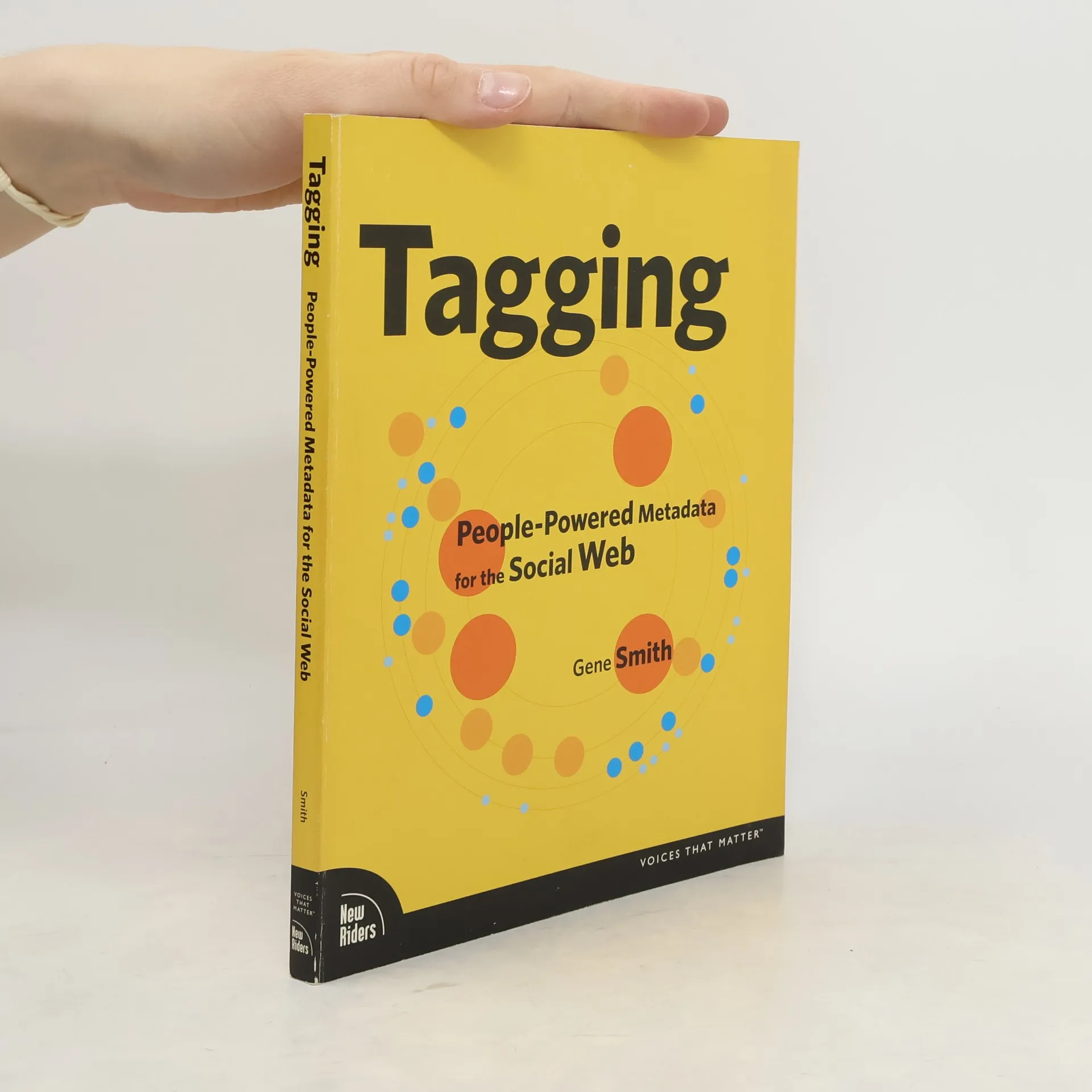
Tagging is fast becoming one of the primary ways people organize and manage digital information. Tagging complements traditional organizational tools like folders and search on users desktops as well as on the web. These developments mean that tagging has broad implications for information management, information architecture and interface design. And its reach extends beyond these technical domains to our culture at large. We can imagine, for example, the scrapbookers of the future curating their digital photos, emails, ticket stubs and other mementos with tags. This book explains the value of tagging, explores why people tag, how tagging works and when it can be used to improve the user experience. It exposes tagging's superficial simplicity to reveal interesting issues related to usability, information architecture, online community and collective intelligence.
Achat du livre
Tagging. People-Powered Metadata for the Social Web, Gene Smith
- Langue

- Année de publication
- 2008
- Reliure
- (souple)
Modes de paiement
Il manque plus que ton avis ici.
- Titre
- Tagging. People-Powered Metadata for the Social Web
- Langue
- Anglais
- Auteurs
- Gene Smith
- Éditeur
- New Riders
- Publié
- 2008
- Format
- souple
- Pages
- 216
- ISBN10
- 0321529170
- ISBN13
- 9780321529176
- Séries
- Mots clés
- Commerce, Technologie, L'école
- Évaluation
- 3,75 sur 5
- Description
- Tagging is fast becoming one of the primary ways people organize and manage digital information. Tagging complements traditional organizational tools like folders and search on users desktops as well as on the web. These developments mean that tagging has broad implications for information management, information architecture and interface design. And its reach extends beyond these technical domains to our culture at large. We can imagine, for example, the scrapbookers of the future curating their digital photos, emails, ticket stubs and other mementos with tags. This book explains the value of tagging, explores why people tag, how tagging works and when it can be used to improve the user experience. It exposes tagging's superficial simplicity to reveal interesting issues related to usability, information architecture, online community and collective intelligence.