

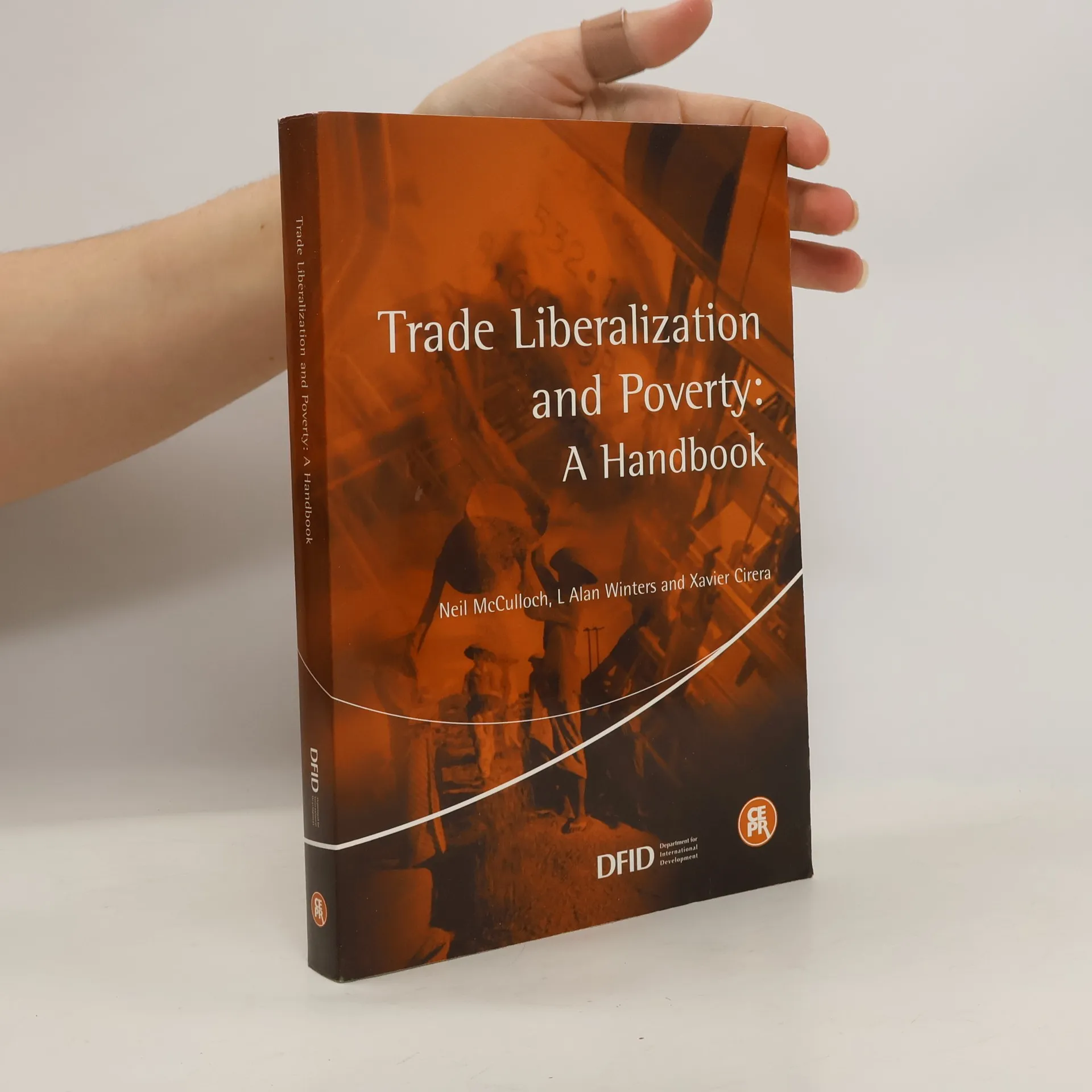

Trade Liberalization and Poverty
A Handbook
En savoir plus sur le livre
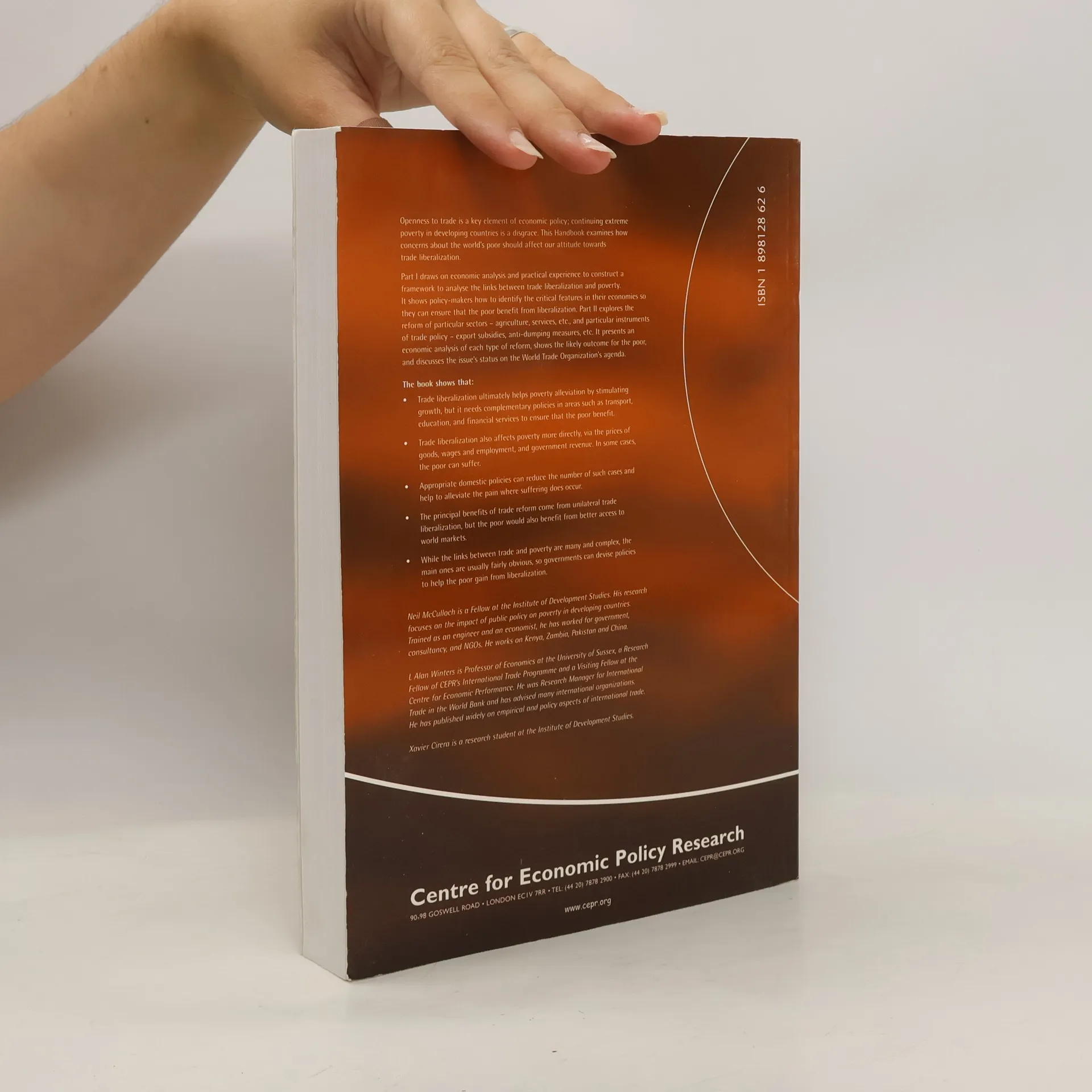
Openness to trade is a key element of economic policy; continuing extreme poverty in developing countries is a disgrace. This Handbook examines how concerns about the world's poor should affect our attitude towards trade liberalization. Part I draws on economic analysis and practical experience to construct a framework to analyse the links between trade liberalization and poverty. It shows policy-makers how to identify the critical features in their economies so they can ensure that the poor benefit from liberalization. Part II explores the reform of particular sectors -- agriculture, services, etc., and particular instruments of trade policy -- export subsidies, anti-dumping measures, etc. It presents an economic analysis of each type of reform, shows the likely outcome for the poor, and discusses the issue's status on the World Trade Organization's agenda. Book jacket.
Achat du livre
Trade Liberalization and Poverty, Neil McCulloch, L. Alan Winters, Xavier Cirera
- Langue

- Année de publication
- 2001
- Reliure
- (souple)
Modes de paiement
Personne n'a encore évalué .
- Titre
- Trade Liberalization and Poverty
- Sous-titre
- A Handbook
- Langue
- Anglais
- Auteurs
- Neil McCulloch, L. Alan Winters, Xavier Cirera
- Publié
- 2001
- Format
- souple
- Pages
- 436
- ISBN10
- 1898128626
- ISBN13
- 9781898128625
- Séries
- Catégories
- Mots clés
- Commerce, Pauvreté, Libéralisme, Pays en développement, Commerce International, Pauvreté matérielle
- Description
- Openness to trade is a key element of economic policy; continuing extreme poverty in developing countries is a disgrace. This Handbook examines how concerns about the world's poor should affect our attitude towards trade liberalization. Part I draws on economic analysis and practical experience to construct a framework to analyse the links between trade liberalization and poverty. It shows policy-makers how to identify the critical features in their economies so they can ensure that the poor benefit from liberalization. Part II explores the reform of particular sectors -- agriculture, services, etc., and particular instruments of trade policy -- export subsidies, anti-dumping measures, etc. It presents an economic analysis of each type of reform, shows the likely outcome for the poor, and discusses the issue's status on the World Trade Organization's agenda. Book jacket.