

En savoir plus sur le livre
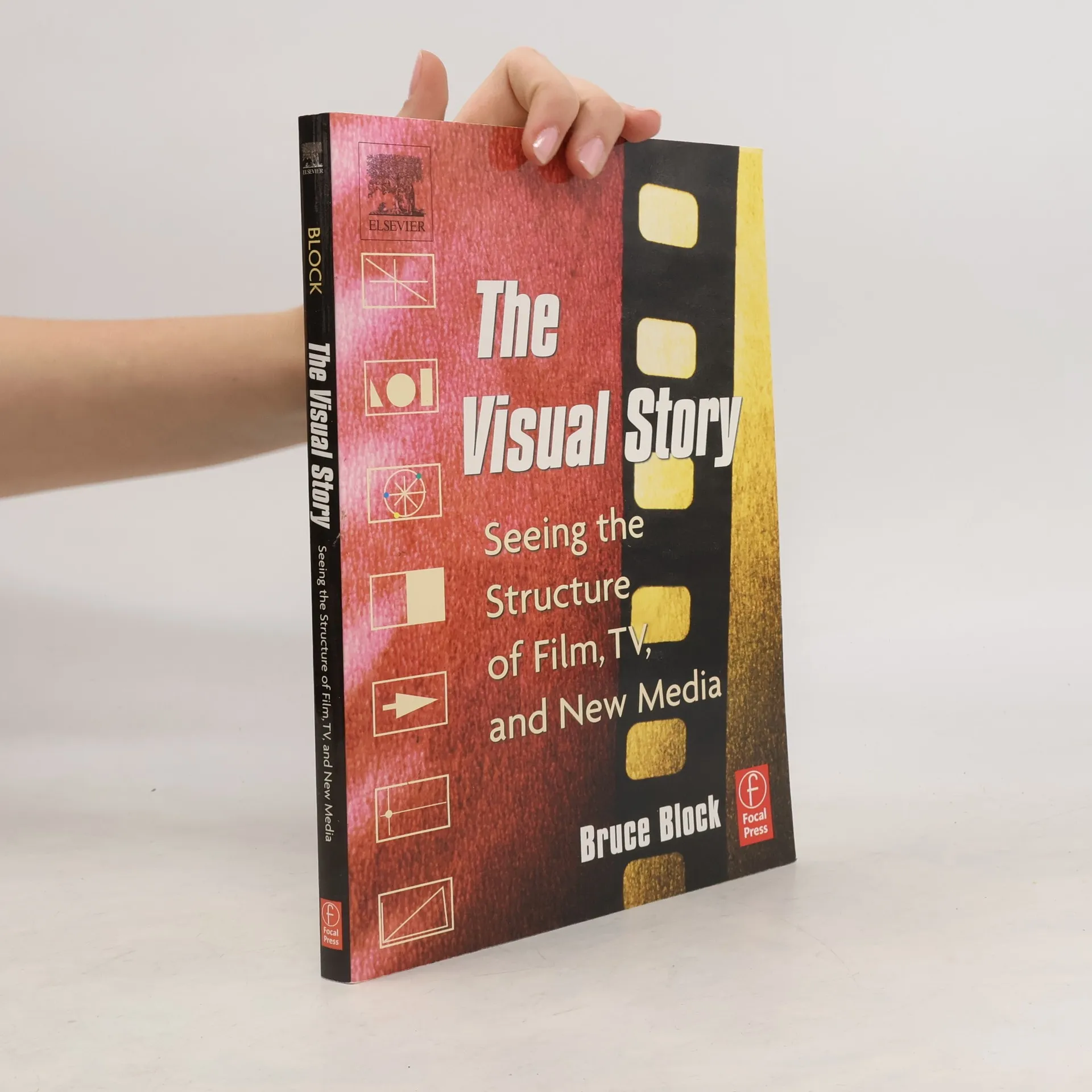
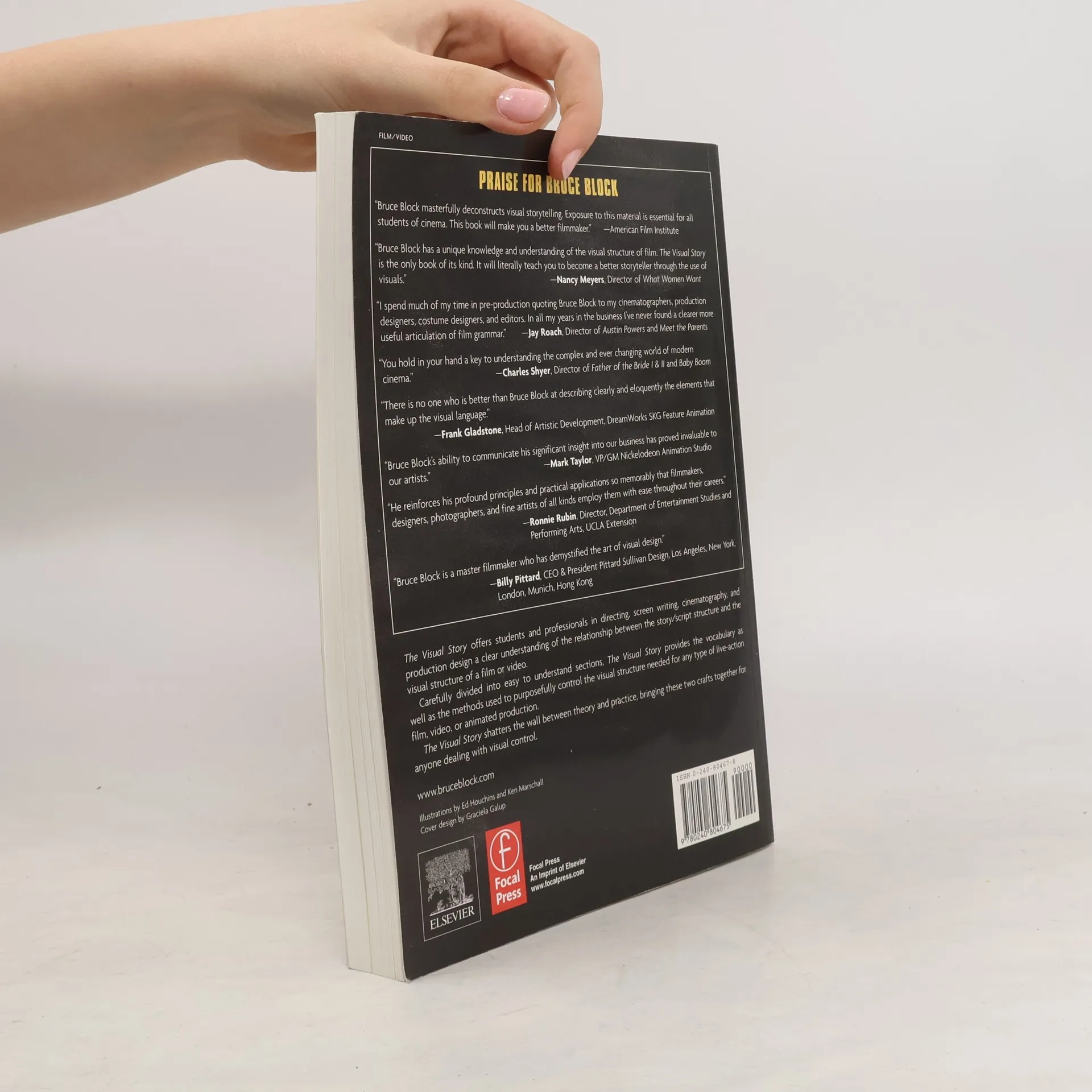
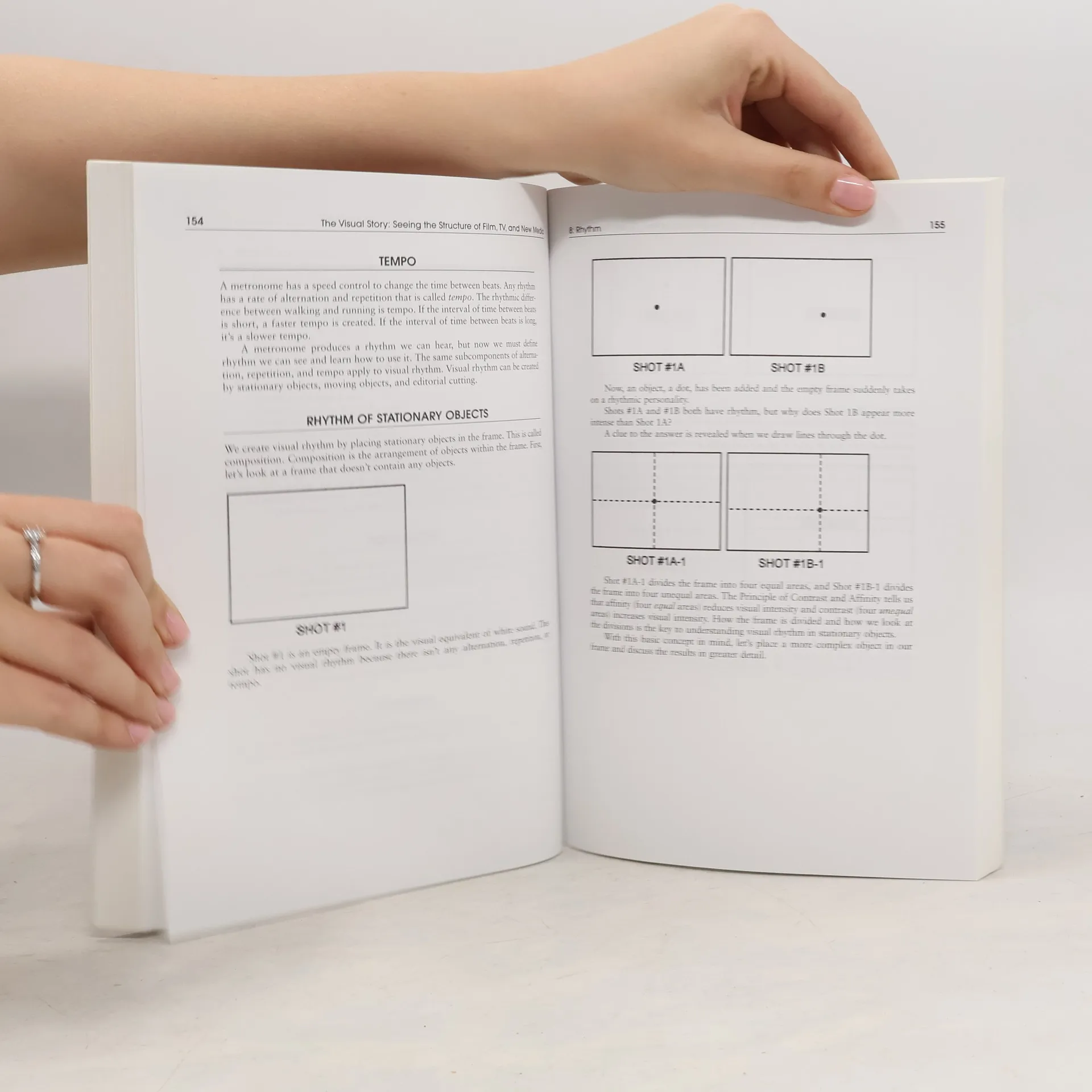
The Visual Story offers students and professionals in cinematography, production design, directing and screenwriting a clear view of the relationship between the story/script structure and the visual structure of a film or video. An understanding of the visual components will serve as the guide in the selection of locations, set dressing, props, wardrobe, lenses, camera positions, lighting, actor staging, and editorial choices.The Visual Story divides what is seen on screen into tangible contrast and affinity, space, line and shape, tone, color, movement, and rhythm. The vocabulary as well as the insight is provided to purposefully control the given components to create the ultimate visual story. For know that a saturated yellow will always attract a viewer's eye first; decide to avoid abrupt editing by mastering continuum of movement; and benefit from the suggested list of films to study rhythmic control. The Visual Story shatters the wall between theory and practice, bringing these two aspects of the craft together in an essential connection for all those creating visual stories.
Achat du livre
The Visual Story, Bruce A. Block
- Langue

- Année de publication
- 2001
- Reliure
- (souple)
Modes de paiement
Il manque plus que ton avis ici.
- Titre
- The Visual Story
- Sous-titre
- Seeing the Structure of Film, TV, and New Media
- Langue
- Anglais
- Auteurs
- Bruce A. Block
- Éditeur
- Focal Press
- Publié
- 2001
- Format
- souple
- Pages
- 288
- ISBN10
- 0240804678
- ISBN13
- 9780240804675
- Séries
- Catégories
- Mots clés
- Cinématographie
- Évaluation
- 4,2 sur 5
- Description
- The Visual Story offers students and professionals in cinematography, production design, directing and screenwriting a clear view of the relationship between the story/script structure and the visual structure of a film or video. An understanding of the visual components will serve as the guide in the selection of locations, set dressing, props, wardrobe, lenses, camera positions, lighting, actor staging, and editorial choices.The Visual Story divides what is seen on screen into tangible contrast and affinity, space, line and shape, tone, color, movement, and rhythm. The vocabulary as well as the insight is provided to purposefully control the given components to create the ultimate visual story. For know that a saturated yellow will always attract a viewer's eye first; decide to avoid abrupt editing by mastering continuum of movement; and benefit from the suggested list of films to study rhythmic control. The Visual Story shatters the wall between theory and practice, bringing these two aspects of the craft together in an essential connection for all those creating visual stories.