


Évaluation du livre
En savoir plus sur le livre
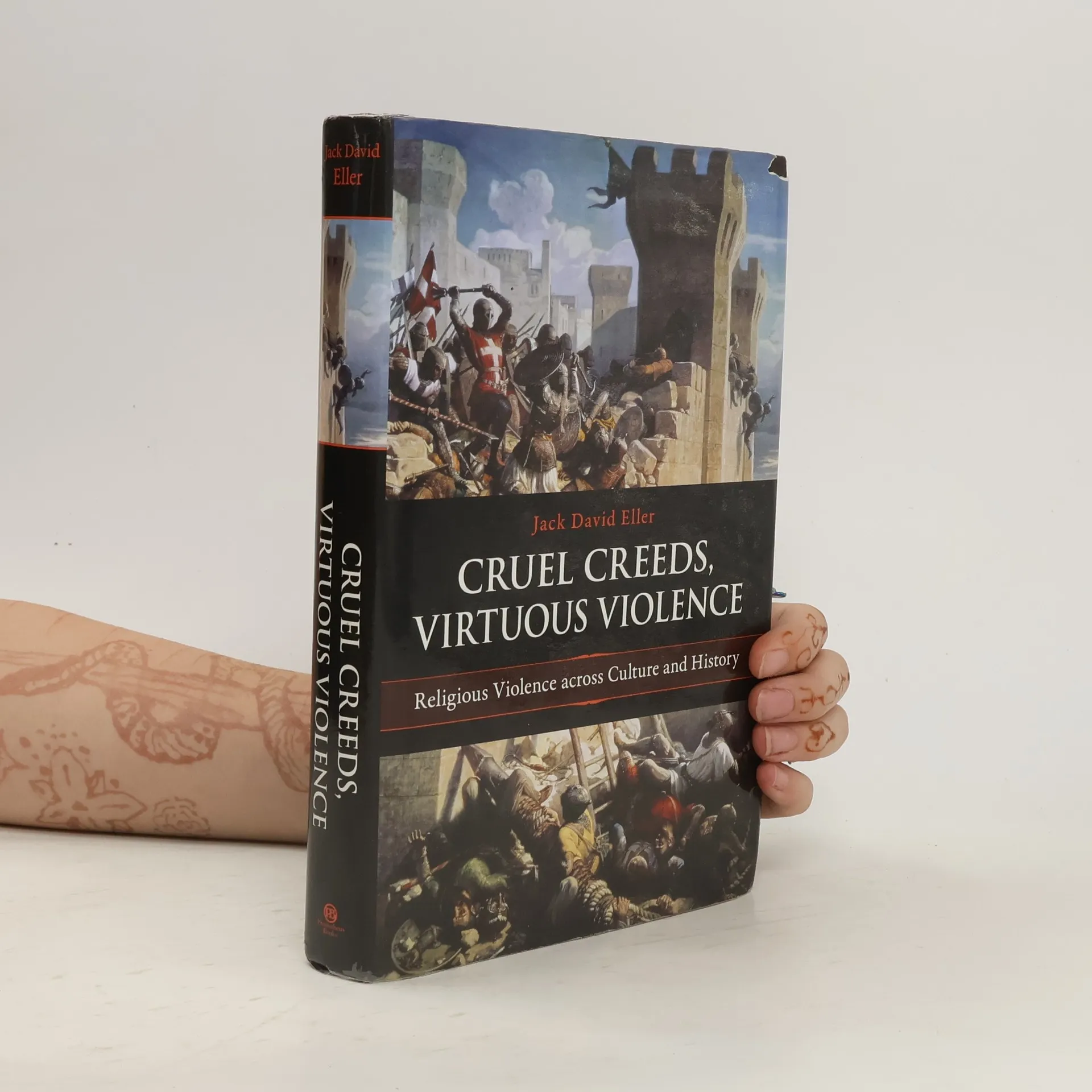
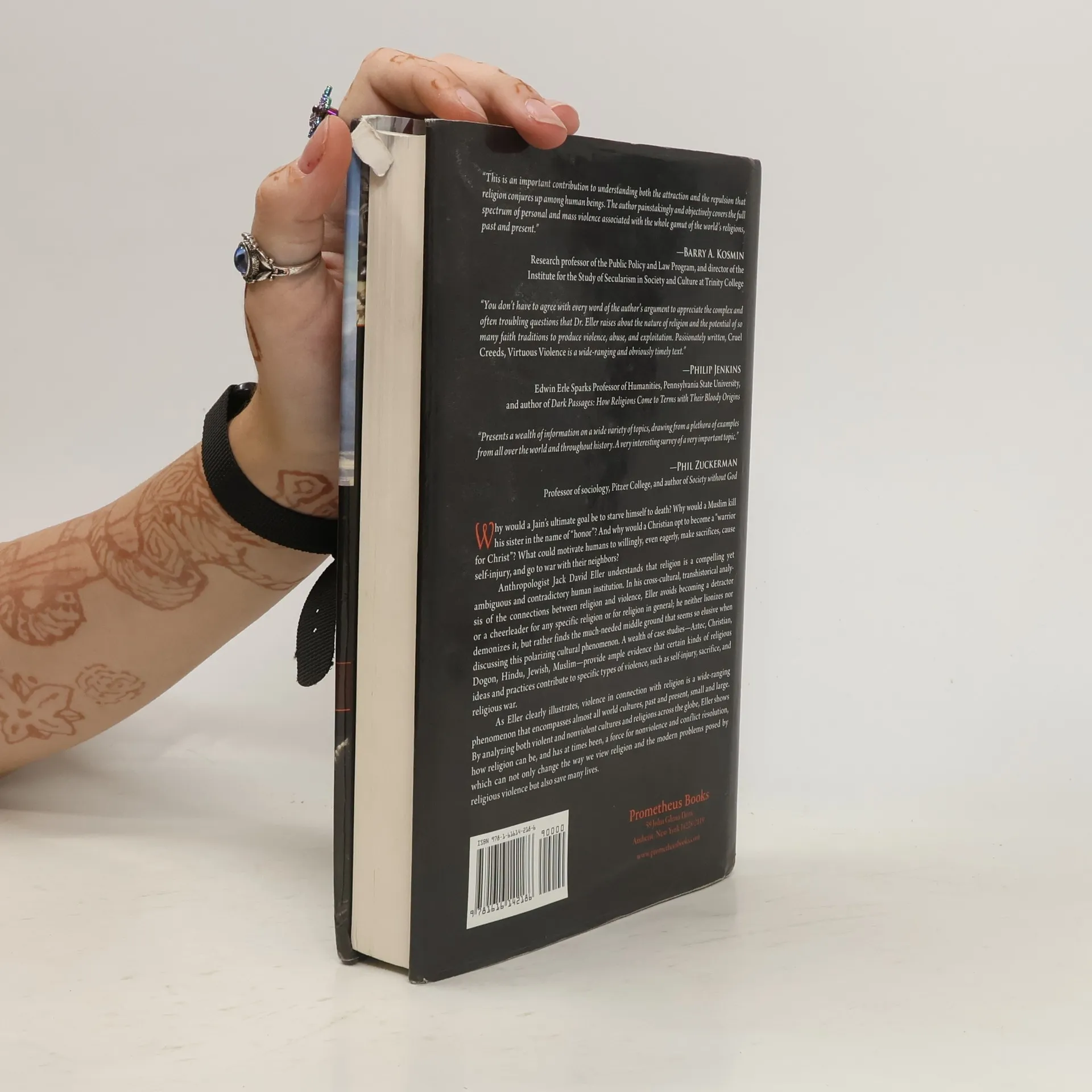
This illuminating, in-depth studypresents a wealth of case material, demonstrating the many manifestations of religious violence-not just war and terrorism, which are the focus of so many discussions of religiously motivated violence-but also more prevalent forms. The author, an anthropologist, devotes separate chapters · sacrifice (both animal and human); · self-mortification (including self-injury, asceticism, and martyrdom); · religious persecution (from anti-Semitic pogroms to witchhunts); · ethno-religious conflict (including such hotspots as Sri Lanka, Northern Ireland, and the former Yugoslavia); · religious wars (from the ancient Hebrews' wars and the Christian Crusades to Islamic jihad and Hindu righteous wars); · and religious homicide and abuse (spousal abuse, genital mutilation, and "dowry death," among other manifestations). In the final chapter, "Religion and Nonviolence," the author examines nonviolent and low-conflict societies and considers various methods of managing conflict. This book goes a long way toward helping us understand the nature of violence generally, its complicated connections with religion, and how society in the future might avoid being blindsided by the worst aspects of human nature.
Achat du livre
Cruel Creeds, Virtuous Violence, Jack David Eller
- Langue

- Année de publication
- 2010
- Reliure
- (rigide)
Modes de paiement
Il manque plus que ton avis ici.
- Titre
- Cruel Creeds, Virtuous Violence
- Sous-titre
- Religious Violence Across Culture and History
- Langue
- Anglais
- Auteurs
- Jack David Eller
- Éditeur
- Prometheus Books
- Publié
- 2010
- Format
- rigide
- Pages
- 451
- ISBN10
- 1616142189
- ISBN13
- 9781616142186
- Séries
- Mots clés
- Thème historique
- Évaluation
- 3,75 sur 5
- Description
- This illuminating, in-depth studypresents a wealth of case material, demonstrating the many manifestations of religious violence-not just war and terrorism, which are the focus of so many discussions of religiously motivated violence-but also more prevalent forms. The author, an anthropologist, devotes separate chapters · sacrifice (both animal and human); · self-mortification (including self-injury, asceticism, and martyrdom); · religious persecution (from anti-Semitic pogroms to witchhunts); · ethno-religious conflict (including such hotspots as Sri Lanka, Northern Ireland, and the former Yugoslavia); · religious wars (from the ancient Hebrews' wars and the Christian Crusades to Islamic jihad and Hindu righteous wars); · and religious homicide and abuse (spousal abuse, genital mutilation, and "dowry death," among other manifestations). In the final chapter, "Religion and Nonviolence," the author examines nonviolent and low-conflict societies and considers various methods of managing conflict. This book goes a long way toward helping us understand the nature of violence generally, its complicated connections with religion, and how society in the future might avoid being blindsided by the worst aspects of human nature.