


En savoir plus sur le livre
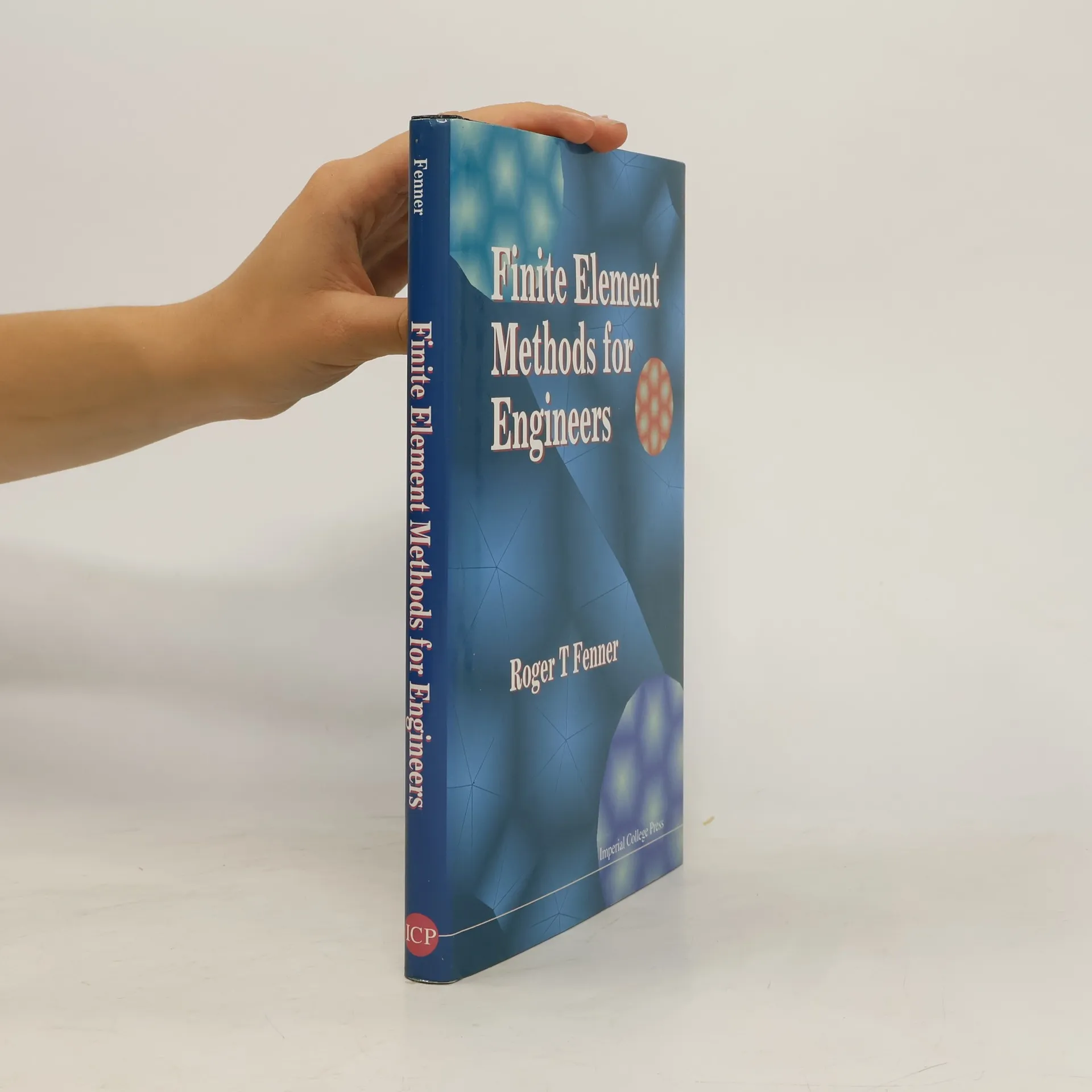
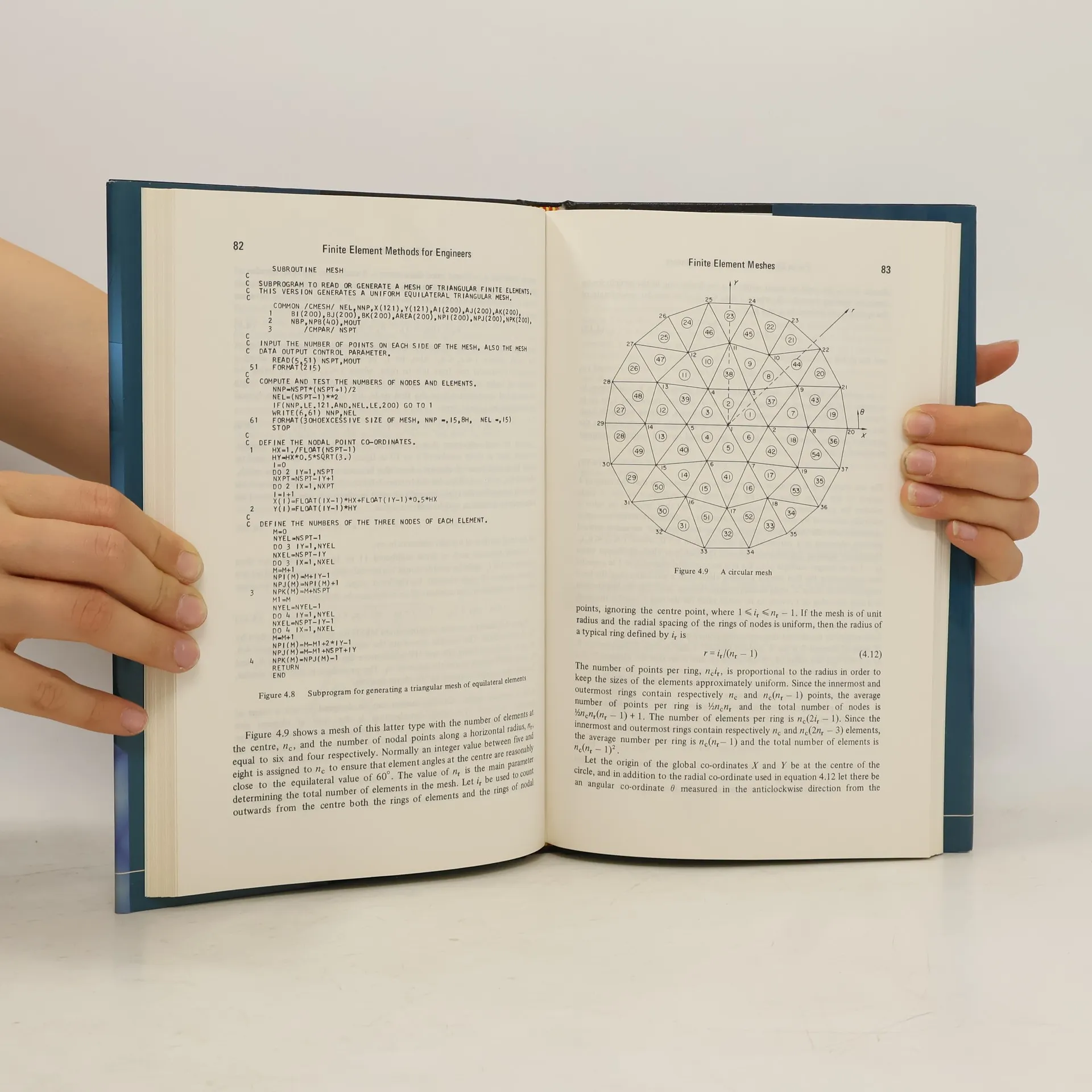
Professor Fenner's definitive text is now back in print, with added corrections. It serves as an introduction to finite element methods for engineering undergraduates and other students at an equivalent level. Postgraduate and practising engineers will also find it useful if they are comparatively new to finite element methods.The main emphasis is on the simplest methods suitable for solving two-dimensional continuum mechanics problems, particularly those encountered in the fields of stress analysis, fluid mechanics and heat transfer. Complete FORTRAN programs are presented, described and discussed in detail, and several practical case studies serve to illustrate the methods developed in the book.Finite element methods are compared and contrasted with finite difference methods, and throughout the level of computer programming, continuum mechanics, numerical analysis, matrix algebra and other mathematics employed corresponds to that normally covered in undergraduate engineering courses.
Achat du livre
Finite Element Methods for Engineers, Roger T Fenner
- Langue

- Année de publication
- 1996
- Reliure
- (souple)
Modes de paiement
Il manque plus que ton avis ici.
- Titre
- Finite Element Methods for Engineers
- Langue
- Anglais
- Auteurs
- Roger T Fenner
- Éditeur
- Imperial College Press
- Publié
- 1996
- Format
- souple
- Pages
- 190
- ISBN10
- 1860940161
- ISBN13
- 9781860940163
- Séries
- Catégories
- Mots clés
- Sciences naturelles, Science, Ingénierie
- Évaluation
- 3 sur 5
- Description
- Professor Fenner's definitive text is now back in print, with added corrections. It serves as an introduction to finite element methods for engineering undergraduates and other students at an equivalent level. Postgraduate and practising engineers will also find it useful if they are comparatively new to finite element methods.The main emphasis is on the simplest methods suitable for solving two-dimensional continuum mechanics problems, particularly those encountered in the fields of stress analysis, fluid mechanics and heat transfer. Complete FORTRAN programs are presented, described and discussed in detail, and several practical case studies serve to illustrate the methods developed in the book.Finite element methods are compared and contrasted with finite difference methods, and throughout the level of computer programming, continuum mechanics, numerical analysis, matrix algebra and other mathematics employed corresponds to that normally covered in undergraduate engineering courses.