

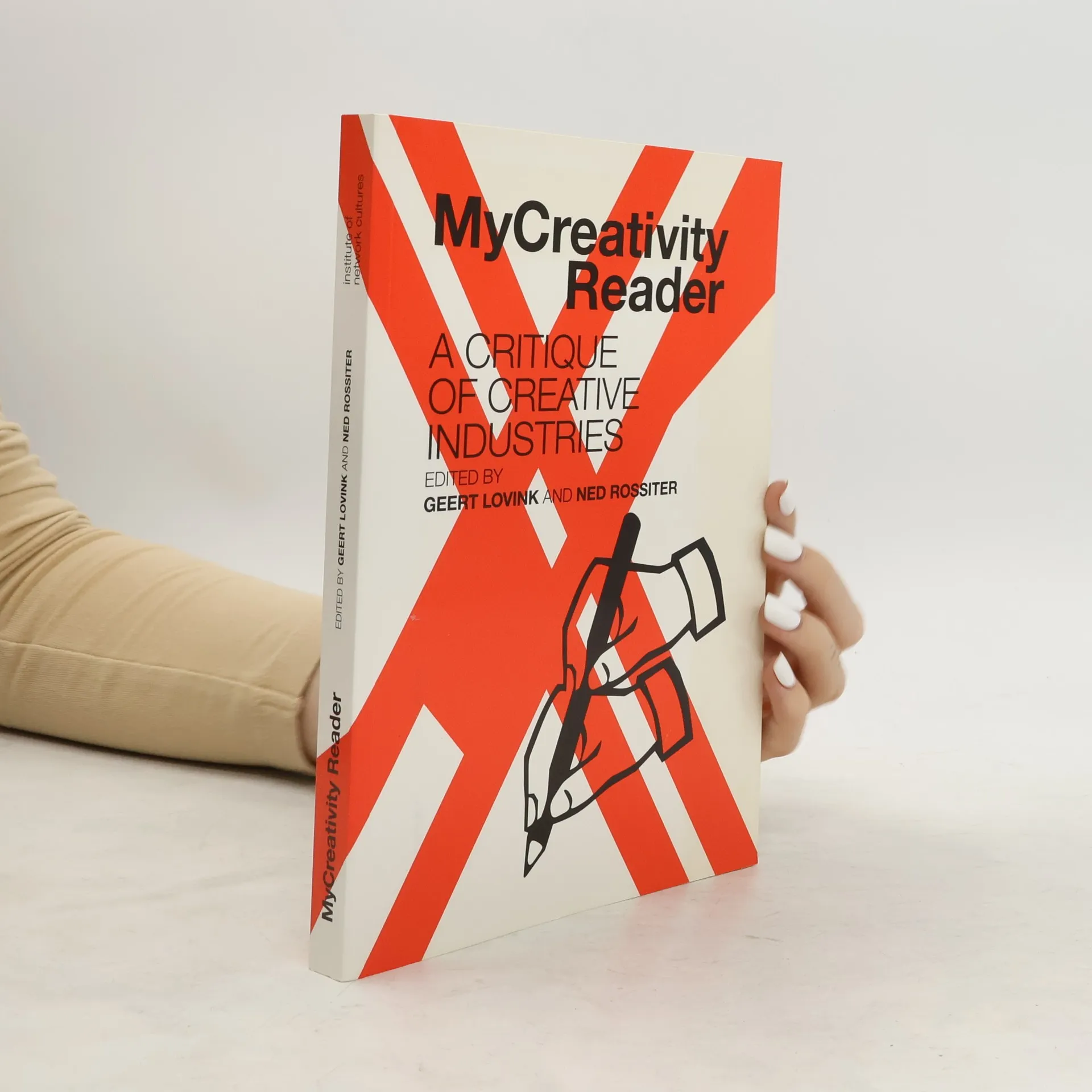


En savoir plus sur le livre
about the The MyCreativity Reader is a collection of critical research into the creative industries. The material develops out of the MyCreativity Convention on Int. Creative Industries Research held in Amsterdam, November 2006. This two-day conference sought to bring the trends and tendencies around the creative industries into critical question. The Òcreative industriesÓ concept was initiated by the UK Blair government in 1997 to revitalise de-industrialised urban zones. Gathering momentum after being celebrated in Richard FloridaÕs best-seller The Creative Class (2002), the concept mobilised around the world as the zeitgeist of creative entrepreneurs and policy-makers. Despite the euphoria surrounding the creative industries, there has been very little critical research that pays attention to local and national and variations, working conditions, the impact of restrictive intellectual property regimes and questions of economic sustainability.
Achat du livre
MyCreativity Reader, Geert Lovink, Ned Rossiter
- Langue

- Année de publication
- 2007
- Reliure
- (souple)
Modes de paiement
Personne n'a encore évalué .
- Titre
- MyCreativity Reader
- Sous-titre
- A Critique of Creative Industries
- Langue
- Anglais
- Auteurs
- Geert Lovink, Ned Rossiter
- Publié
- 2007
- Format
- souple
- Pages
- 272
- ISBN10
- 9078146044
- ISBN13
- 9789078146049
- Séries
- Catégories
- Mots clés
- Commerce, Écriture créative
- Description
- about the The MyCreativity Reader is a collection of critical research into the creative industries. The material develops out of the MyCreativity Convention on Int. Creative Industries Research held in Amsterdam, November 2006. This two-day conference sought to bring the trends and tendencies around the creative industries into critical question. The Òcreative industriesÓ concept was initiated by the UK Blair government in 1997 to revitalise de-industrialised urban zones. Gathering momentum after being celebrated in Richard FloridaÕs best-seller The Creative Class (2002), the concept mobilised around the world as the zeitgeist of creative entrepreneurs and policy-makers. Despite the euphoria surrounding the creative industries, there has been very little critical research that pays attention to local and national and variations, working conditions, the impact of restrictive intellectual property regimes and questions of economic sustainability.