


En savoir plus sur le livre
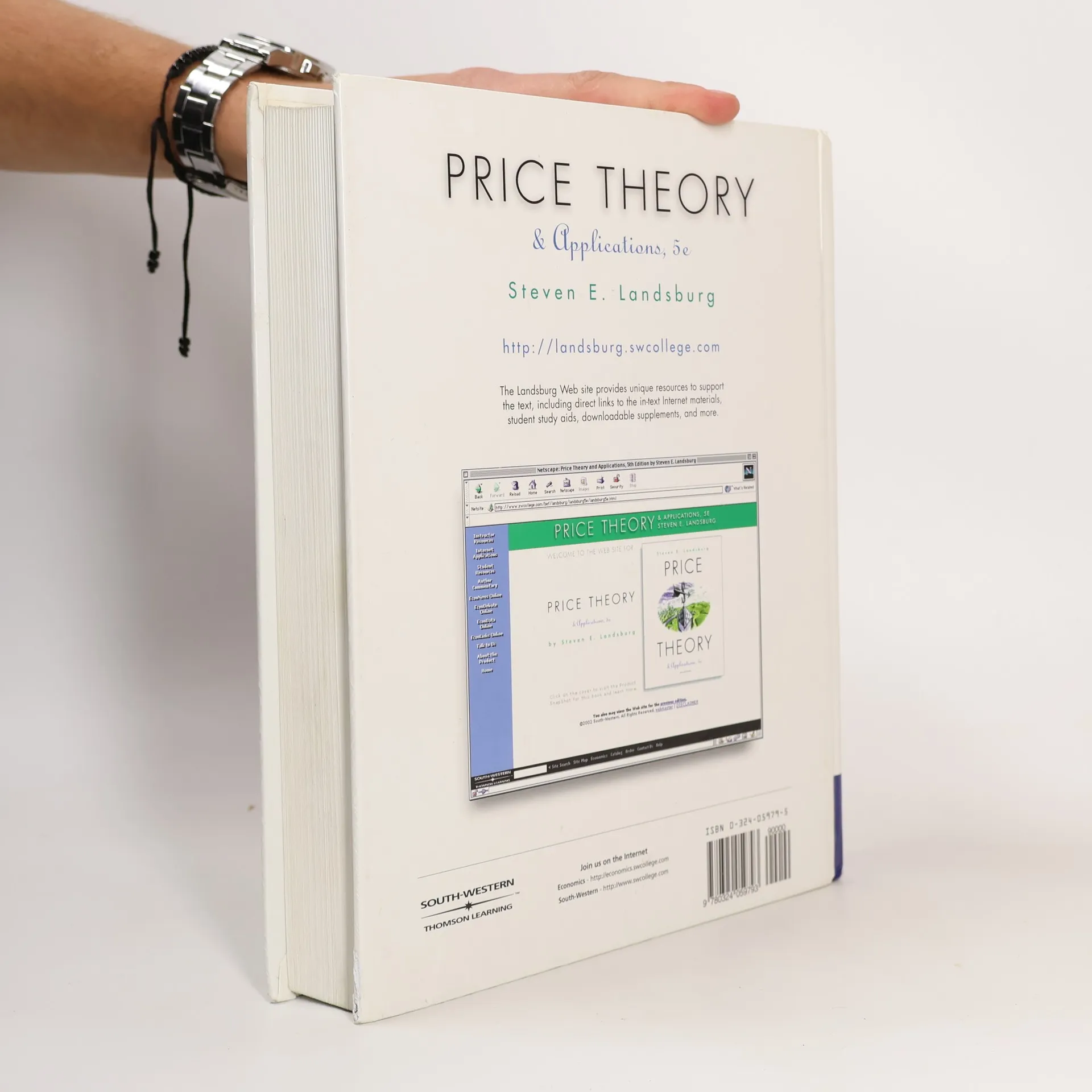
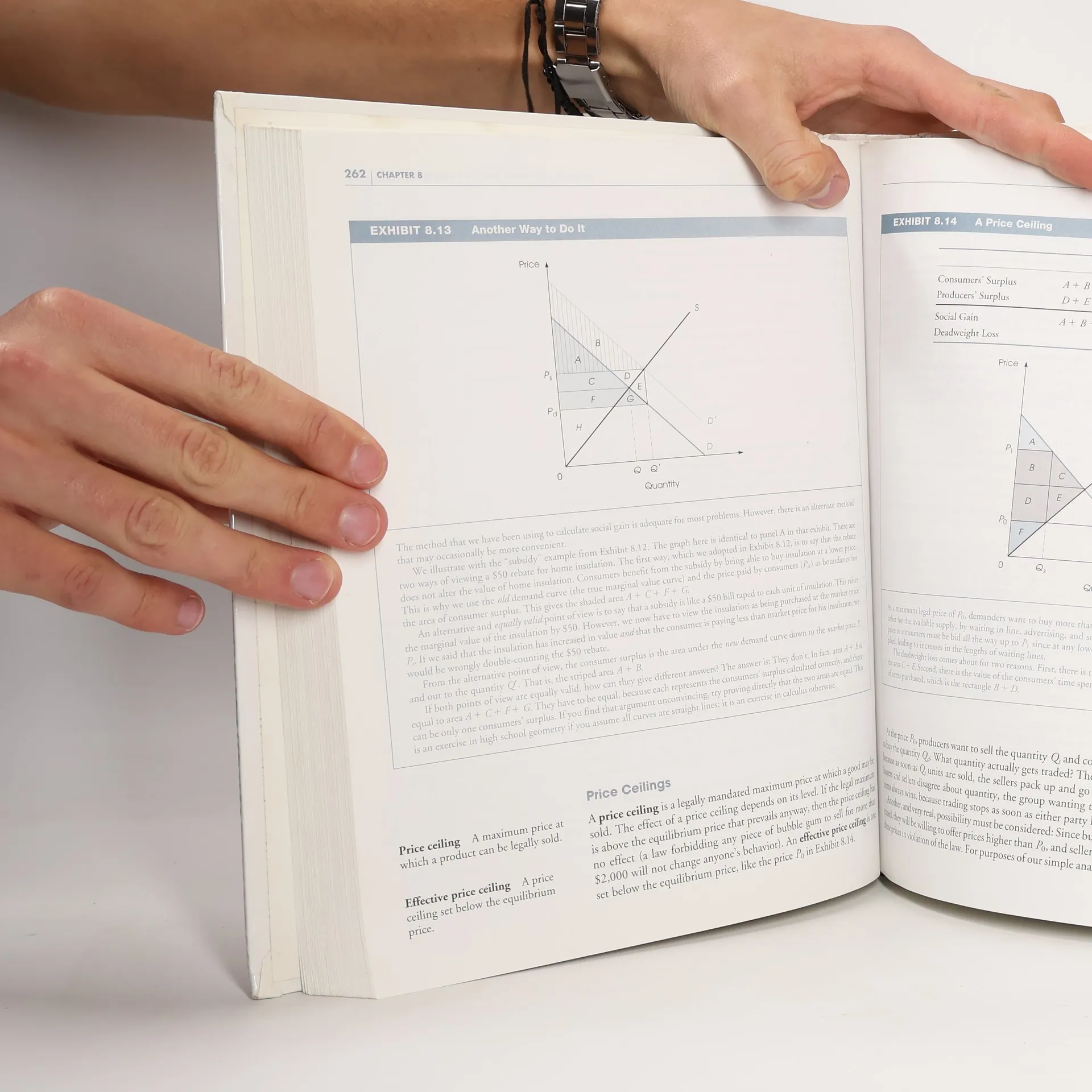
Intermediate microeconomics is both fun and intellectually challenging in this new edition, written by the author of The Armchair Economist, the popular trade book that explains basic economics to the general public. The text provides an exceptionally friendly and application-rich presentation, combined with a rigorous and careful development of microeconomic theory. All of the standard topics of intermediate price theory are included, as well as innovative topics such as alternative normative criteria, efficient asset markets, contestable markets, antitrust law, human capital, and the demand for public goods. A unique unifying theme of social welfare is used with little higher-level mathematics.
Achat du livre
Price Theory, Landsburg Steven
- Langue

- Année de publication
- 2001
- Reliure
- (rigide)
Modes de paiement
Il manque plus que ton avis ici.
- Titre
- Price Theory
- Sous-titre
- Applications, 5e
- Langue
- Anglais
- Auteurs
- Landsburg Steven
- Éditeur
- South-Western College Pub
- Publié
- 2001
- Format
- rigide
- Pages
- 780
- ISBN10
- 0324059795
- ISBN13
- 9780324059793
- Séries
- Mots clés
- Commerce, Manuels et guides
- Évaluation
- 3 sur 5
- Description
- Intermediate microeconomics is both fun and intellectually challenging in this new edition, written by the author of The Armchair Economist, the popular trade book that explains basic economics to the general public. The text provides an exceptionally friendly and application-rich presentation, combined with a rigorous and careful development of microeconomic theory. All of the standard topics of intermediate price theory are included, as well as innovative topics such as alternative normative criteria, efficient asset markets, contestable markets, antitrust law, human capital, and the demand for public goods. A unique unifying theme of social welfare is used with little higher-level mathematics.