

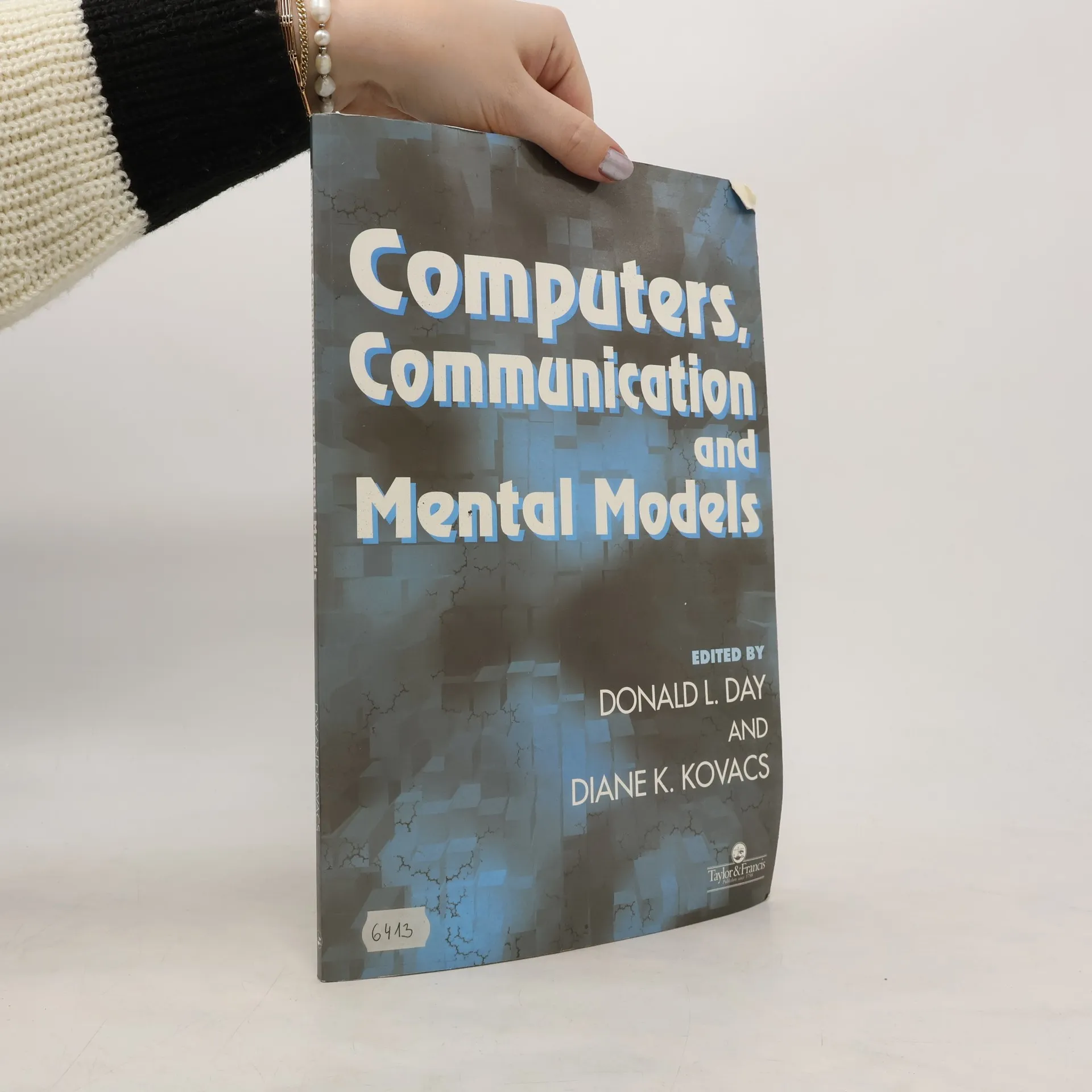
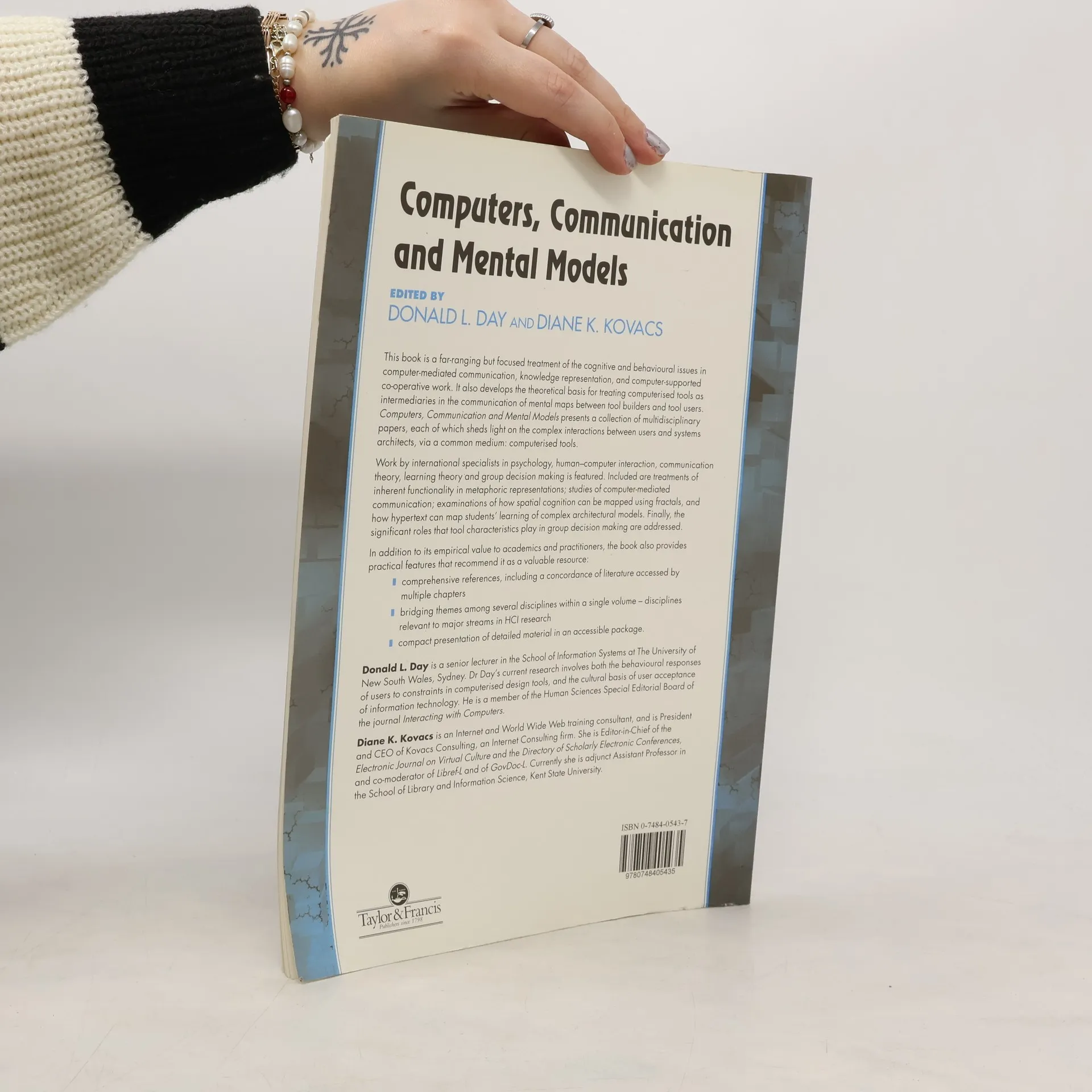

Computers, Communication, and Mental Models
Auteurs
En savoir plus sur le livre
Computers, Commmunication, and Mental Models is a far-ranging, focused treatment of the cognitive and behavioural issues in computer-mediated communication, knowledge representation and computer-supported co- operative work. It is also an argued development of the theoretical bases for treating computerized tools as intermediaries in the communication of mental maps between tool builders and users.Empirical trails are reported in detail sufficient for representation, in computer-based instruction, fractal dimensions of cognitive mapping and group decision support. The book is a collection of multidisciplinary papers which each shed light on the complex interactions between users and systems architects, via a common computerized tools.
Achat du livre
Computers, Communication, and Mental Models, Donald L. Day, Diane K. Kovacs
- Langue

- Année de publication
- 1996
- Reliure
- (souple)
Modes de paiement
Personne n'a encore évalué .
- Titre
- Computers, Communication, and Mental Models
- Langue
- Anglais
- Auteurs
- Donald L. Day, Diane K. Kovacs
- Éditeur
- CRC Press
- Publié
- 1996
- Format
- souple
- Pages
- 96
- ISBN10
- 0748405437
- ISBN13
- 9780748405435
- Séries
- Mots clés
- Description
- Computers, Commmunication, and Mental Models is a far-ranging, focused treatment of the cognitive and behavioural issues in computer-mediated communication, knowledge representation and computer-supported co- operative work. It is also an argued development of the theoretical bases for treating computerized tools as intermediaries in the communication of mental maps between tool builders and users.Empirical trails are reported in detail sufficient for representation, in computer-based instruction, fractal dimensions of cognitive mapping and group decision support. The book is a collection of multidisciplinary papers which each shed light on the complex interactions between users and systems architects, via a common computerized tools.