



Évaluation du livre
Paramètres
- 224pages
- 8 heures de lecture
En savoir plus sur le livre
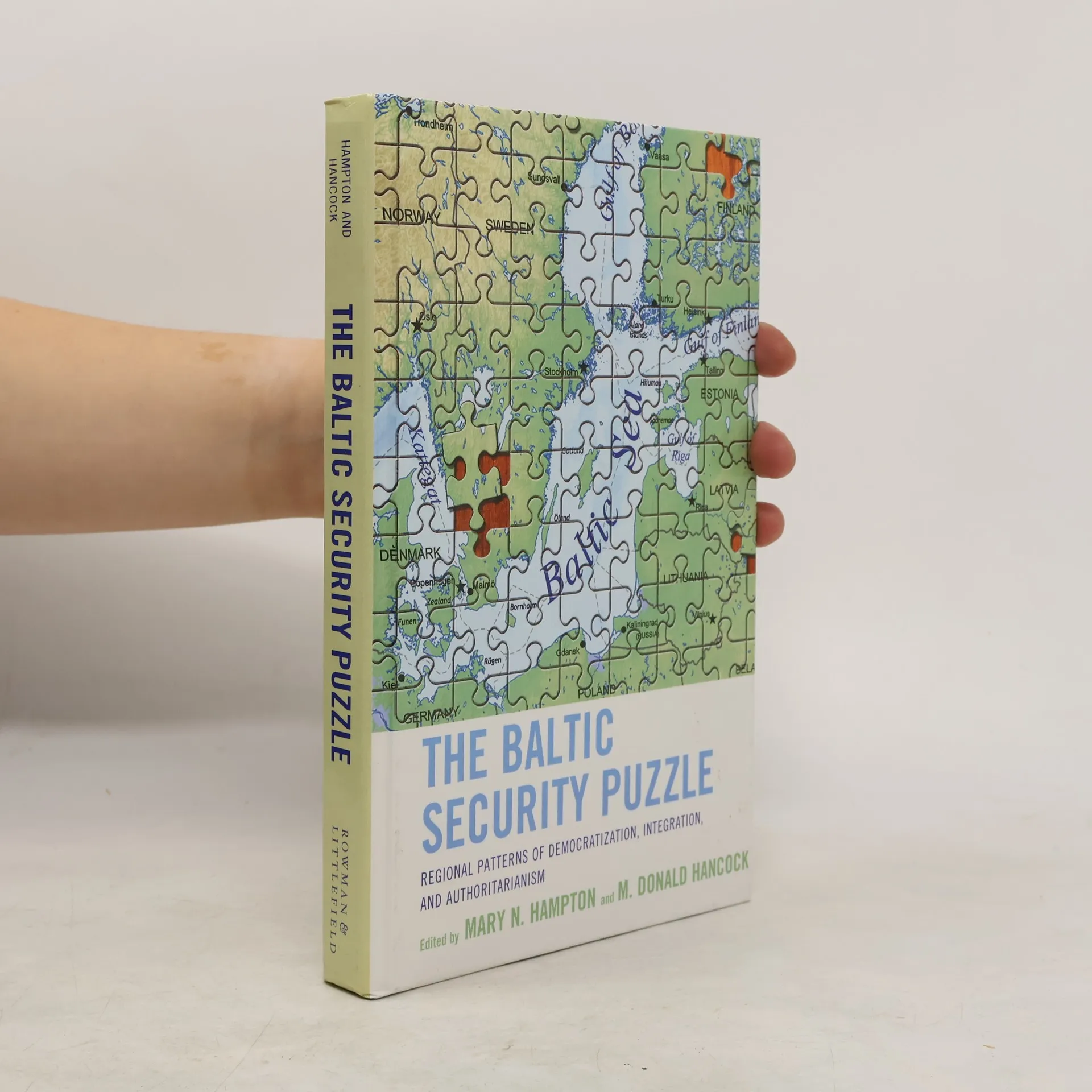
International experts assess the components of the Baltic security puzzle by placing the security and political interests of the states of Latvia, Estonia, and Lithuania within the historical, economic, and political narratives of the greater Baltic region. They first reevaluate Baltic history as a progression of conflict, partial integration, Cold War division, up to today’s efforts to build a security community. Next, they focus on economic and social relations by contrasting patterns of democratization, domestic politics, EU membership, and the economics of crime. Lastly, they analyze military security and evolving regional perceptions of threats as well as the dynamics of alliance behavior and the recent geostrategic clashes unearthed by Russia’s behavior in Ukraine.
Achat du livre
The Baltic Security Puzzle, Mary N. Hampton, Donald M. Hancock
- Langue

- Année de publication
- 2015
- Reliure
- (rigide)
Modes de paiement
Il manque plus que ton avis ici.
- Titre
- The Baltic Security Puzzle
- Sous-titre
- Regional Patterns of Democratization, Integration, and Authoritarianism
- Langue
- Anglais
- Auteurs
- Mary N. Hampton, Donald M. Hancock
- Publié
- 2015
- Format
- rigide
- Pages
- 224
- ISBN10
- 1442248521
- ISBN13
- 9781442248526
- Séries
- Mots clés
- Politique, Théories politiques, Écrits rassemblés, Relations internationales, Europe de l'Est, Diplomatie, Lituanie, Estonie, Lettonie
- Évaluation
- 2 sur 5
- Description
- International experts assess the components of the Baltic security puzzle by placing the security and political interests of the states of Latvia, Estonia, and Lithuania within the historical, economic, and political narratives of the greater Baltic region. They first reevaluate Baltic history as a progression of conflict, partial integration, Cold War division, up to today’s efforts to build a security community. Next, they focus on economic and social relations by contrasting patterns of democratization, domestic politics, EU membership, and the economics of crime. Lastly, they analyze military security and evolving regional perceptions of threats as well as the dynamics of alliance behavior and the recent geostrategic clashes unearthed by Russia’s behavior in Ukraine.