

Paramètres
- 266pages
- 10 heures de lecture
En savoir plus sur le livre
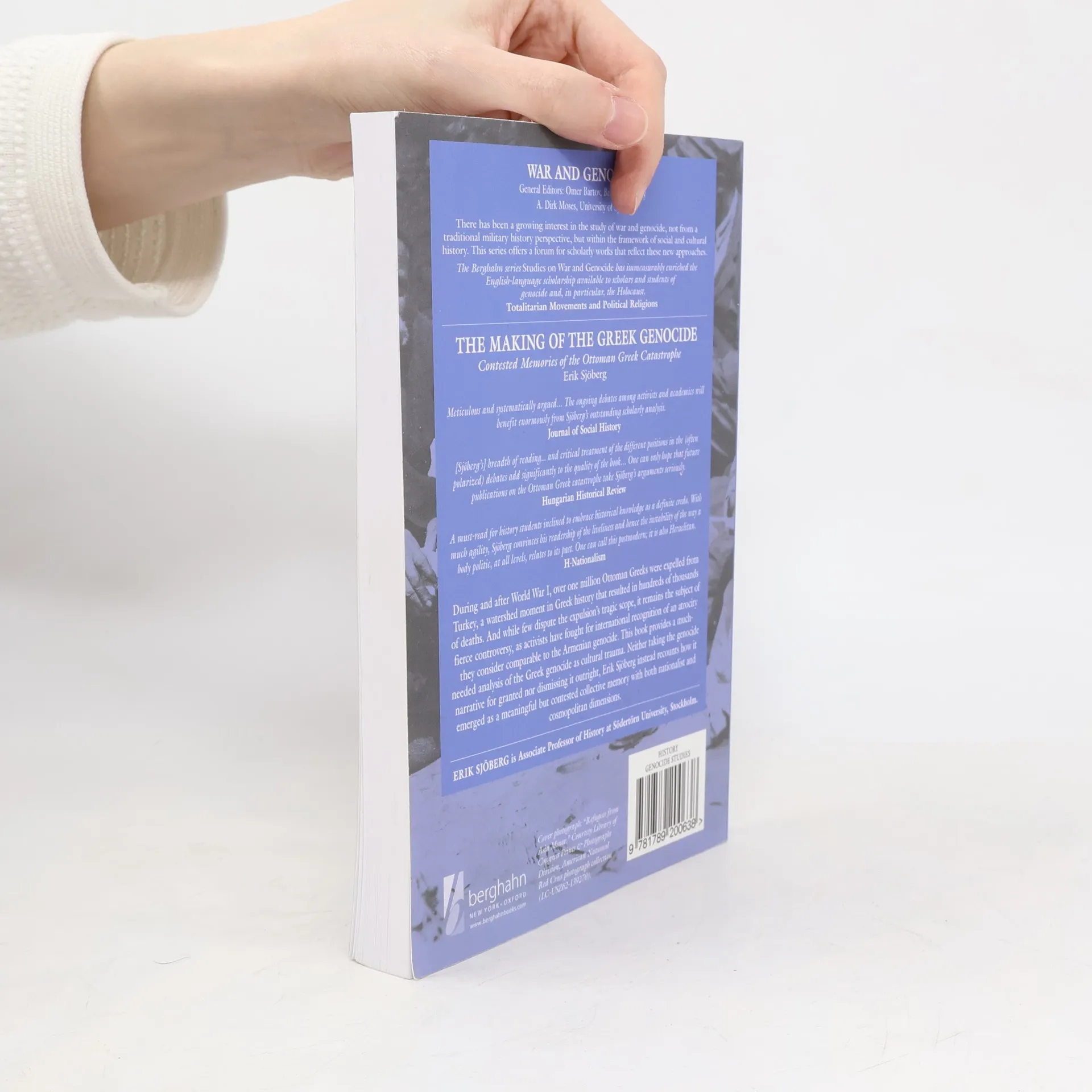
During and after World War I, over one million Ottoman Greeks were expelled from Turkey, a watershed moment in Greek history that resulted in hundreds of thousands of deaths. And while few dispute the expulsion’s tragic scope, it remains the subject of fierce controversy, as activists have fought for international recognition of an atrocity they consider comparable to the Armenian genocide. This book provides a much-needed analysis of the Greek genocide as cultural trauma. Neither taking the genocide narrative for granted nor dismissing it outright, Erik Sjöberg instead recounts how it emerged as a meaningful but contested collective memory with both nationalist and cosmopolitan dimensions.
Achat du livre
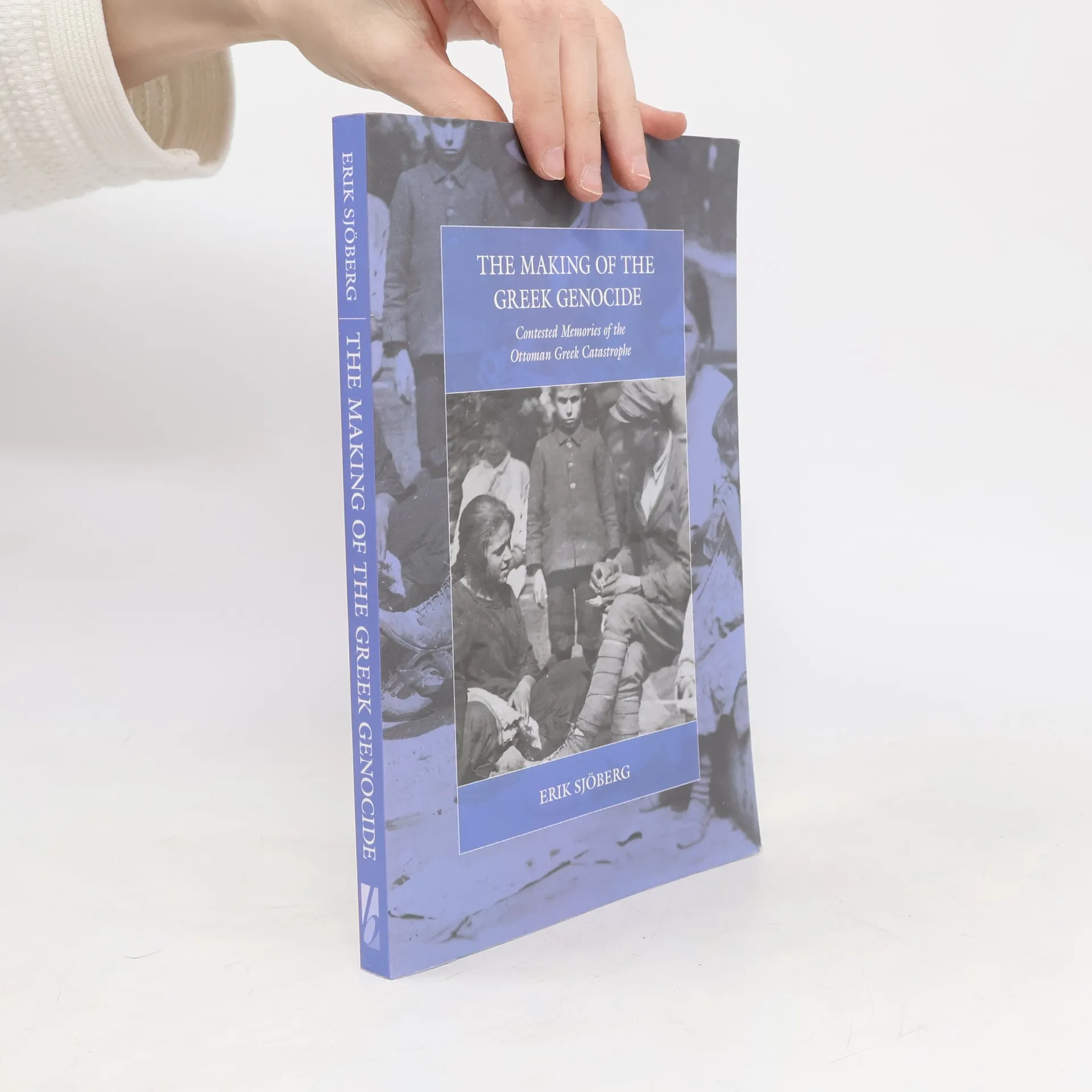
War and Genocide - 23: The Making of the Greek Genocide, Erik Sjöberg
- Langue

- Année de publication
- 2018
- Reliure
- (souple)
Modes de paiement
Personne n'a encore évalué .
- Titre
- War and Genocide - 23: The Making of the Greek Genocide
- Sous-titre
- Contested Memories of the Ottoman Greek Catastrophe
- Langue
- Anglais
- Auteurs
- Erik Sjöberg
- Éditeur
- Berghahn Books
- Publié
- 2018
- Format
- souple
- Pages
- 266
- ISBN10
- 1789200636
- ISBN13
- 9781789200638
- Séries
- Mots clés
- Thème historique, Politique, 20e siècle, Europe, Théories politiques, Turquie, Historiographie, Empire ottoman, Démographie, Grecs
- Description
- During and after World War I, over one million Ottoman Greeks were expelled from Turkey, a watershed moment in Greek history that resulted in hundreds of thousands of deaths. And while few dispute the expulsion’s tragic scope, it remains the subject of fierce controversy, as activists have fought for international recognition of an atrocity they consider comparable to the Armenian genocide. This book provides a much-needed analysis of the Greek genocide as cultural trauma. Neither taking the genocide narrative for granted nor dismissing it outright, Erik Sjöberg instead recounts how it emerged as a meaningful but contested collective memory with both nationalist and cosmopolitan dimensions.