

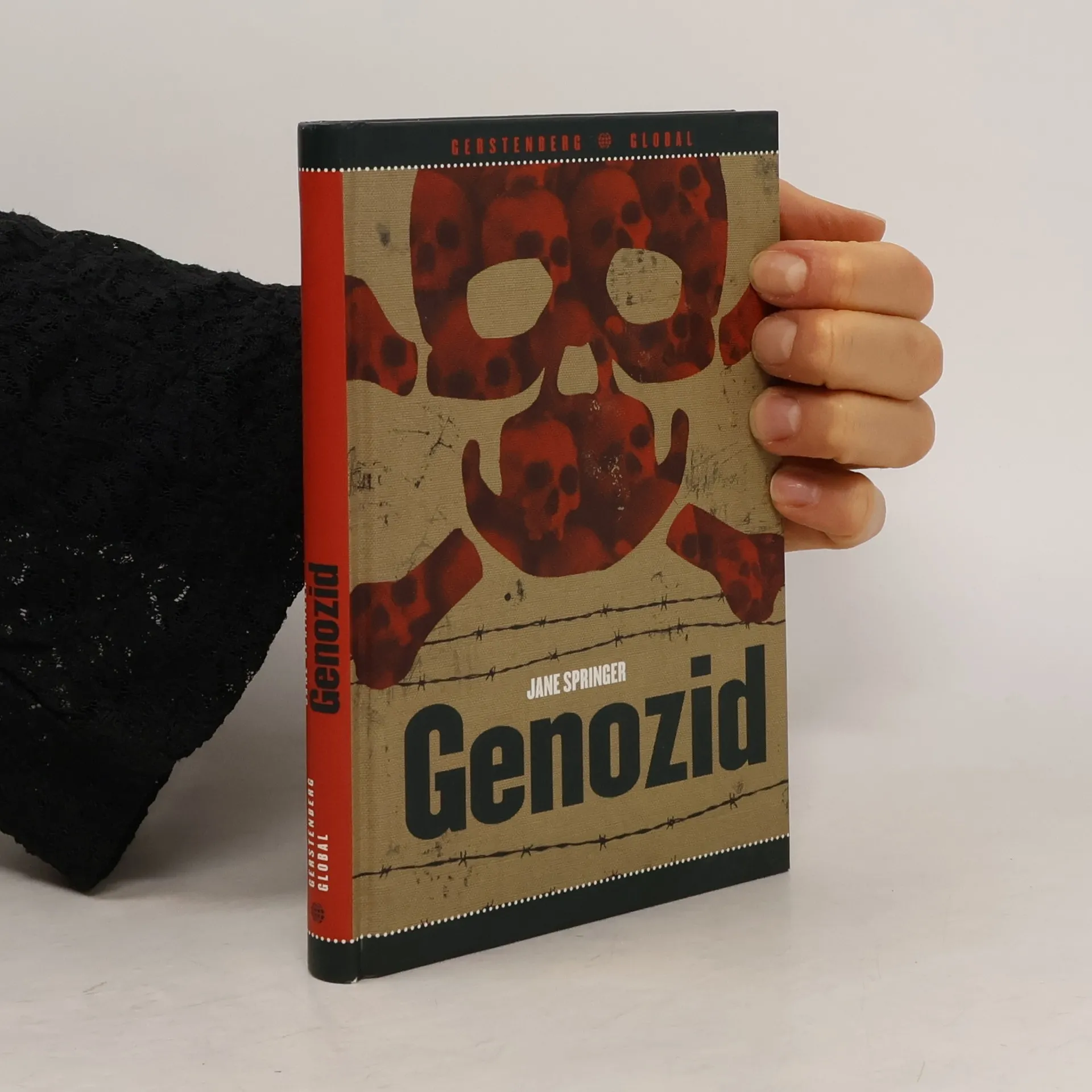

Genozid
Auteurs
En savoir plus sur le livre
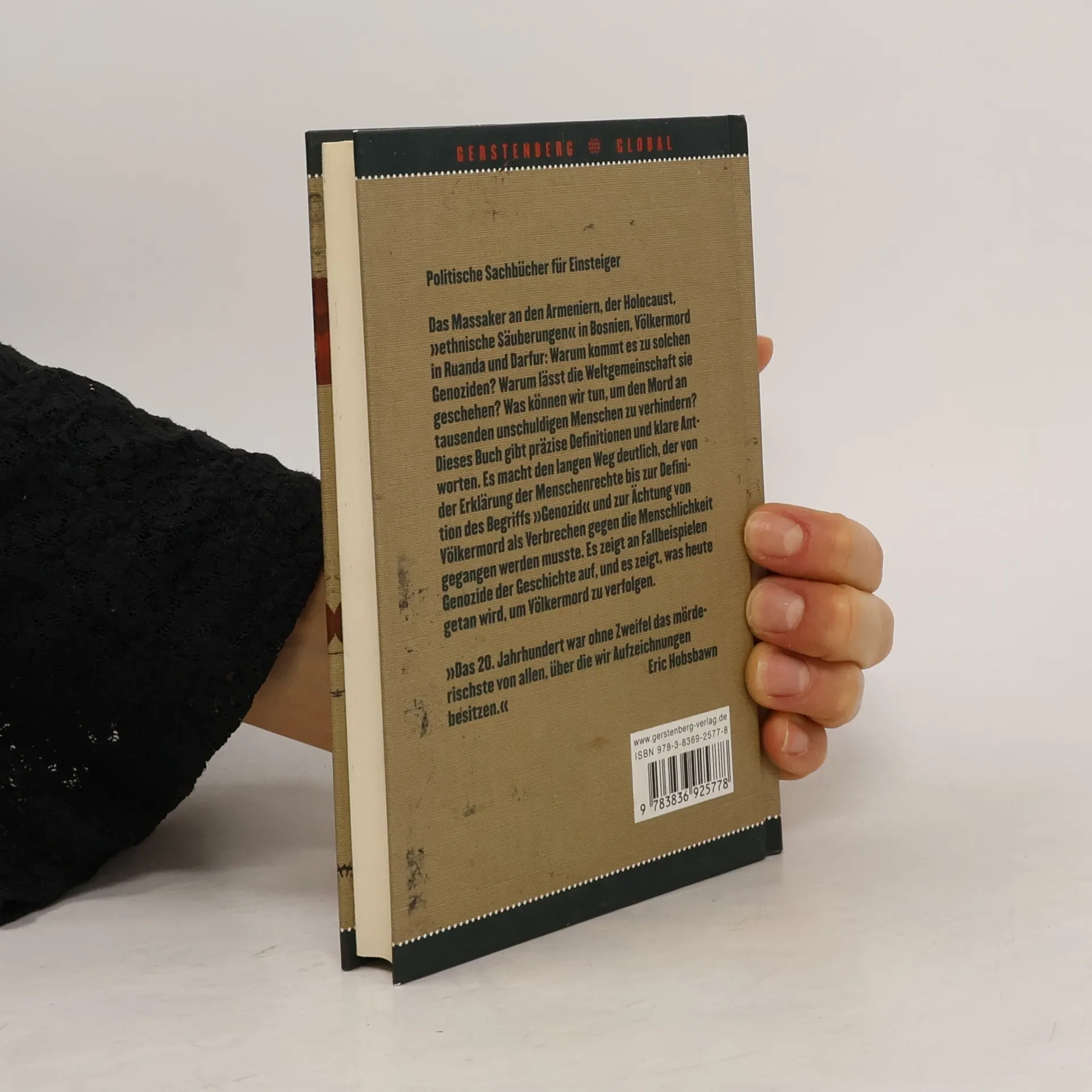
Some view the systematic killing, rape, and destruction of homes in Darfur as a grave humanitarian crisis. For others, it's a clear example of the ultimate crime against humanity — genocide. Who is right? What is genocide? Who are the endangered human beings in today's world? What is the impact on humanity of wiping out entire groups of people? This thoughtful book helps young readers understand these and other difficult questions. Providing an overview of the history of genocide worldwide, the book explores the paradox that while a person who murders another person can be tried and even executed for the crime, a person who murders hundreds or thousands of people usually goes free. Using case studies of acts of genocide throughout history, the book points out the unique character of each while at the same time establishing important links between them. Most importantly, the book answers the question, What can be done to prevent genocide from happening in the future?
Achat du livre
Genozid, Birgit Fricke, Jane Springer
- Langue

- Année de publication
- 2007
- Reliure
- (rigide)
Modes de paiement
Personne n'a encore évalué .
- Titre
- Genozid
- Langue
- Allemand
- Auteurs
- Birgit Fricke, Jane Springer
- Éditeur
- Gerstenberg
- Publié
- 2007
- Format
- rigide
- Pages
- 144
- ISBN10
- 383692577X
- ISBN13
- 9783836925778
- Séries
- Catégories
- Mots clés
- Thème historique, Politique, Génocide
- Description
- Some view the systematic killing, rape, and destruction of homes in Darfur as a grave humanitarian crisis. For others, it's a clear example of the ultimate crime against humanity — genocide. Who is right? What is genocide? Who are the endangered human beings in today's world? What is the impact on humanity of wiping out entire groups of people? This thoughtful book helps young readers understand these and other difficult questions. Providing an overview of the history of genocide worldwide, the book explores the paradox that while a person who murders another person can be tried and even executed for the crime, a person who murders hundreds or thousands of people usually goes free. Using case studies of acts of genocide throughout history, the book points out the unique character of each while at the same time establishing important links between them. Most importantly, the book answers the question, What can be done to prevent genocide from happening in the future?