

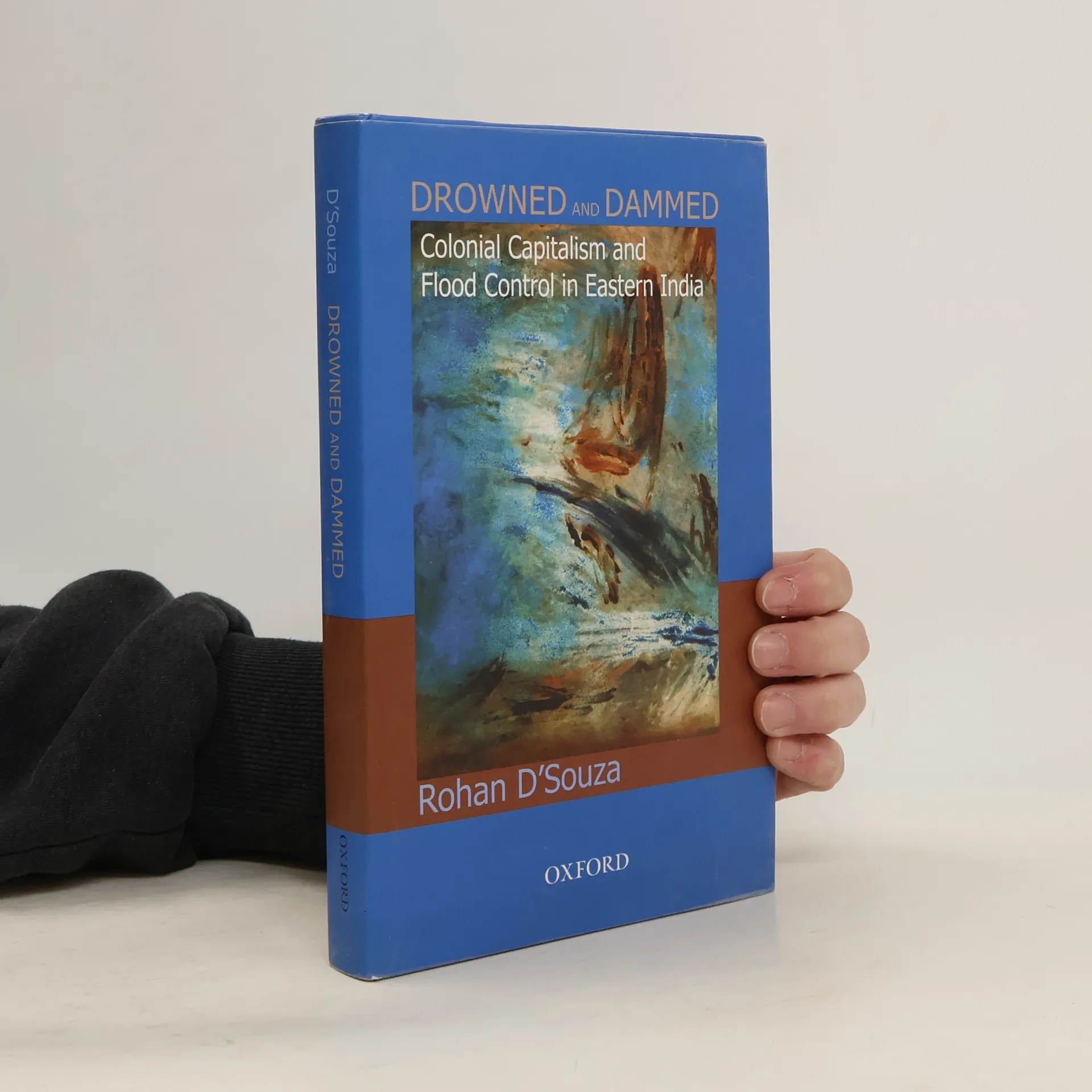




Drowned and Dammed
Colonial Capitalism and Flood Control in Eastern India
Auteurs
Évaluation du livre
Paramètres
- 292pages
- 11 heures de lecture
En savoir plus sur le livre
The volume deals with major debates in India's environmental history. It critiques existing discourse by discussing colonial flood control strategies in eastern India. It explores the idea and practice of flood control and argues for a comprehensive reconsideration of the debate on thecolonial environmental watershed, its hydraulic legacy and questions contemporary enthusiasm for flood control in post-independent India. The emphasis is on revealing how colonial flood control measures were implicated in attempts to consolidate capitalist relations in ownership, production, andtowards commanding the deltaic rivers as a 'natural resource' for capitalist accumulation. The idea and practice of flood control was not merely a technical intervention but principally a political project, deeply implicated in the social, economic and political calculations of capitalism in generaland colonialism in particular. Such an analytical perspective also provides a useful backdrop to understanding several aspects of the contemporary water crisis in postcolonial India. The book also intends to be a necessary corrective and a useful addition to the otherwise limited writings on theIndian subcontinent's hydraulic histories.
Achat du livre
Drowned and Dammed, Rohan D'Souza
- Langue

- Année de publication
- 2006
- Reliure
- (rigide),
- État du livre
- Abîmé
- Prix
- 20,05 €
Modes de paiement
Il manque plus que ton avis ici.
- Titre
- Drowned and Dammed
- Sous-titre
- Colonial Capitalism and Flood Control in Eastern India
- Langue
- Anglais
- Auteurs
- Rohan D'Souza
- Éditeur
- Oxford University Press
- Publié
- 2006
- Format
- rigide
- Pages
- 292
- ISBN10
- 0195682173
- ISBN13
- 9780195682175
- Séries
- Catégories
- Mots clés
- Thème historique, Commerce, Théories politiques, Inde, Développement, Histoire économique, Économie politique, Aspects politiques
- Évaluation
- 3,75 sur 5
- Description
- The volume deals with major debates in India's environmental history. It critiques existing discourse by discussing colonial flood control strategies in eastern India. It explores the idea and practice of flood control and argues for a comprehensive reconsideration of the debate on thecolonial environmental watershed, its hydraulic legacy and questions contemporary enthusiasm for flood control in post-independent India. The emphasis is on revealing how colonial flood control measures were implicated in attempts to consolidate capitalist relations in ownership, production, andtowards commanding the deltaic rivers as a 'natural resource' for capitalist accumulation. The idea and practice of flood control was not merely a technical intervention but principally a political project, deeply implicated in the social, economic and political calculations of capitalism in generaland colonialism in particular. Such an analytical perspective also provides a useful backdrop to understanding several aspects of the contemporary water crisis in postcolonial India. The book also intends to be a necessary corrective and a useful addition to the otherwise limited writings on theIndian subcontinent's hydraulic histories.