

En savoir plus sur le livre
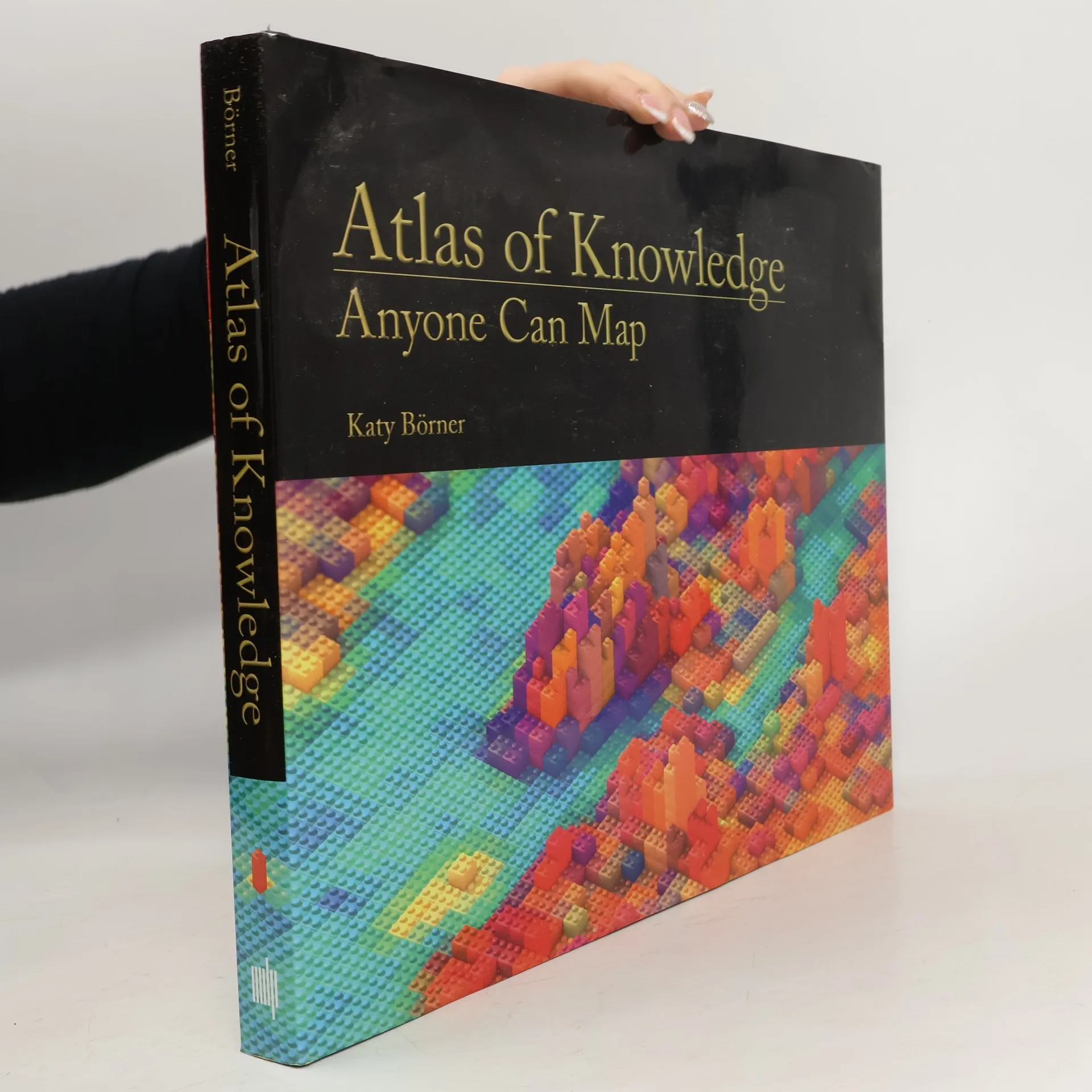
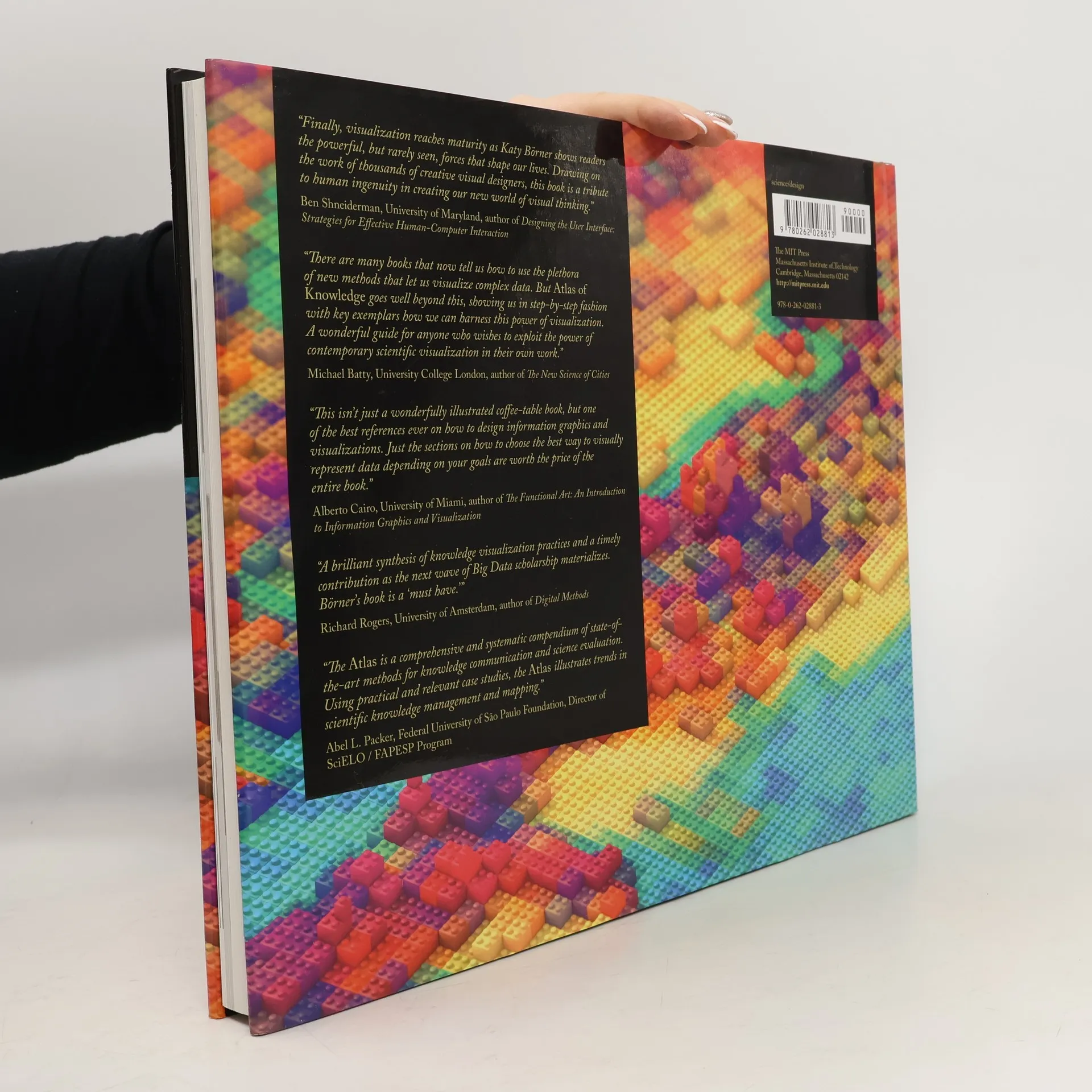
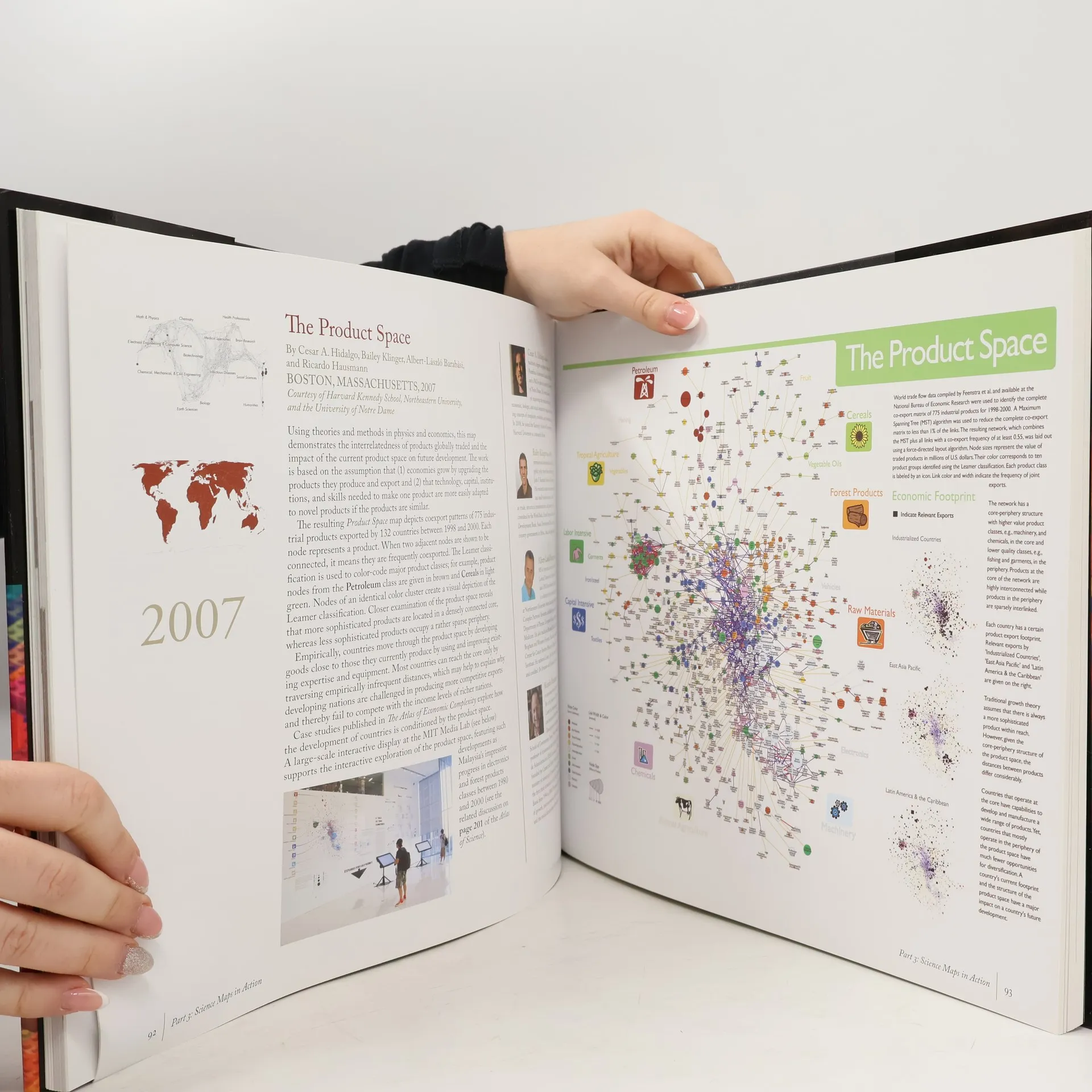
The power of principles for visualizing knowledge is illustrated through stunning large-scale, full-color maps. Physical maps help us navigate the world, while topical maps reveal the structure of our collective knowledge, highlighting bursts of activity, pathways of ideas, and borders to be crossed. This work describes the significance of topical maps and provides principles for visualizing knowledge, featuring forty large-scale and over 100 small-scale full-color maps. In an era where data literacy is as crucial as language literacy, well-designed visualizations can help us make sense of vast amounts of information, connect ideas, and improve decision-making in real time. The author, a leading visualization expert, advocates for a systems science approach to science and technology studies, explaining various types and levels of analysis. Drawing on fifteen years of experience in teaching and tool development, she introduces a theoretical framework to guide readers through user and task analysis, data preparation, visualization deployment, and interpretation of science maps. The work showcases striking maps from the “Places & Mapping Science” exhibit, covering topics like the development of video tape recorders and urban analysis using mobile location data. Additionally, it explores the potential impact of science maps on scientific practice.
Achat du livre
Atlas of Knowledge, Katy Börner
- Langue

- Année de publication
- 2015
- Reliure
- (rigide)
Modes de paiement
Il manque plus que ton avis ici.
- Titre
- Atlas of Knowledge
- Sous-titre
- Anyone Can Map
- Langue
- Anglais
- Auteurs
- Katy Börner
- Éditeur
- MIT Press
- Publié
- 2015
- Format
- rigide
- Pages
- 224
- ISBN10
- 0262028816
- ISBN13
- 9780262028813
- Séries
- Catégories
- Mots clés
- Atlas
- Évaluation
- 4,3 sur 5
- Description
- The power of principles for visualizing knowledge is illustrated through stunning large-scale, full-color maps. Physical maps help us navigate the world, while topical maps reveal the structure of our collective knowledge, highlighting bursts of activity, pathways of ideas, and borders to be crossed. This work describes the significance of topical maps and provides principles for visualizing knowledge, featuring forty large-scale and over 100 small-scale full-color maps. In an era where data literacy is as crucial as language literacy, well-designed visualizations can help us make sense of vast amounts of information, connect ideas, and improve decision-making in real time. The author, a leading visualization expert, advocates for a systems science approach to science and technology studies, explaining various types and levels of analysis. Drawing on fifteen years of experience in teaching and tool development, she introduces a theoretical framework to guide readers through user and task analysis, data preparation, visualization deployment, and interpretation of science maps. The work showcases striking maps from the “Places & Mapping Science” exhibit, covering topics like the development of video tape recorders and urban analysis using mobile location data. Additionally, it explores the potential impact of science maps on scientific practice.