

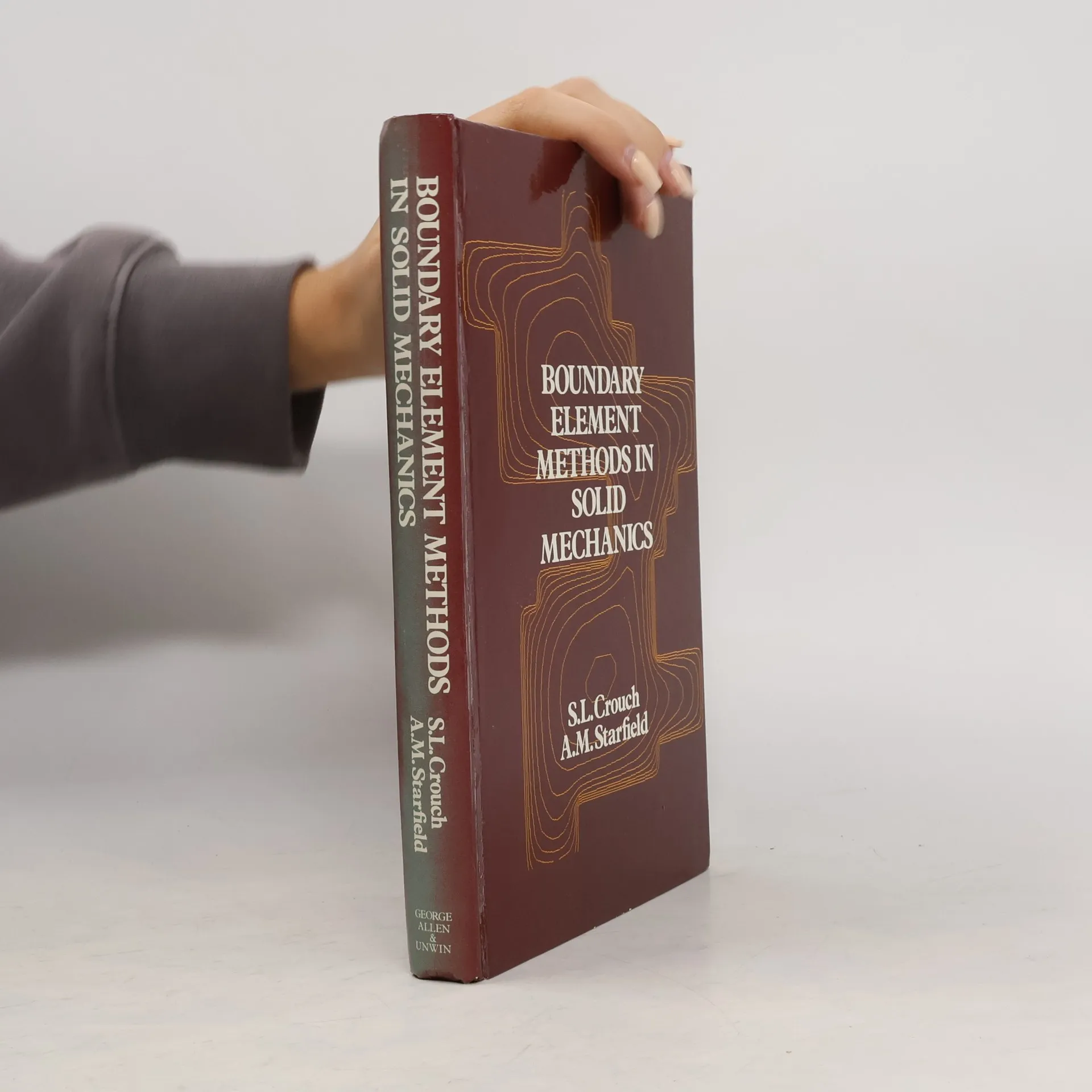
Boundary Element Methods in Solid Mechanics
With Applications in Rock Mechanics and Geological Engineering
Évaluation du livre
En savoir plus sur le livre
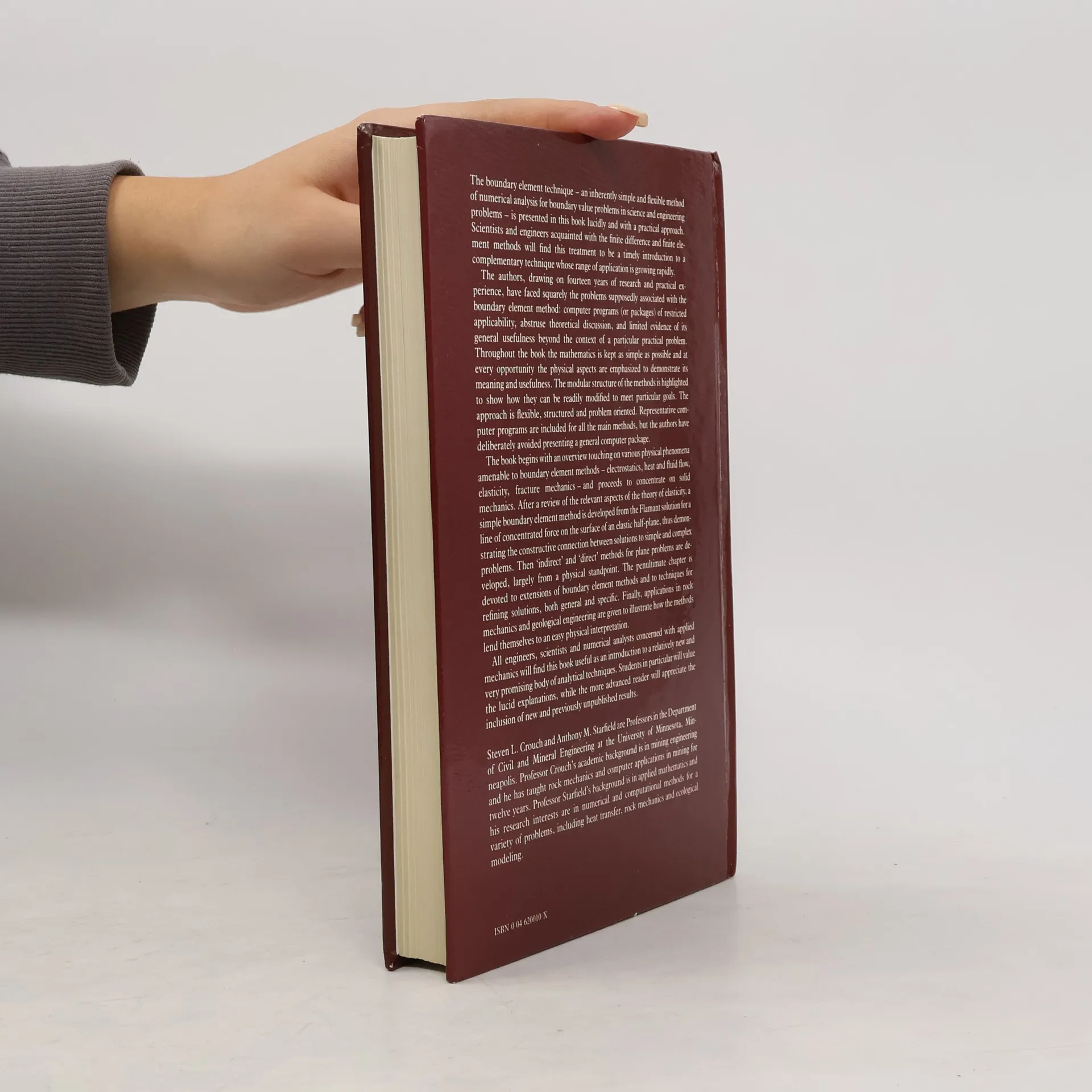
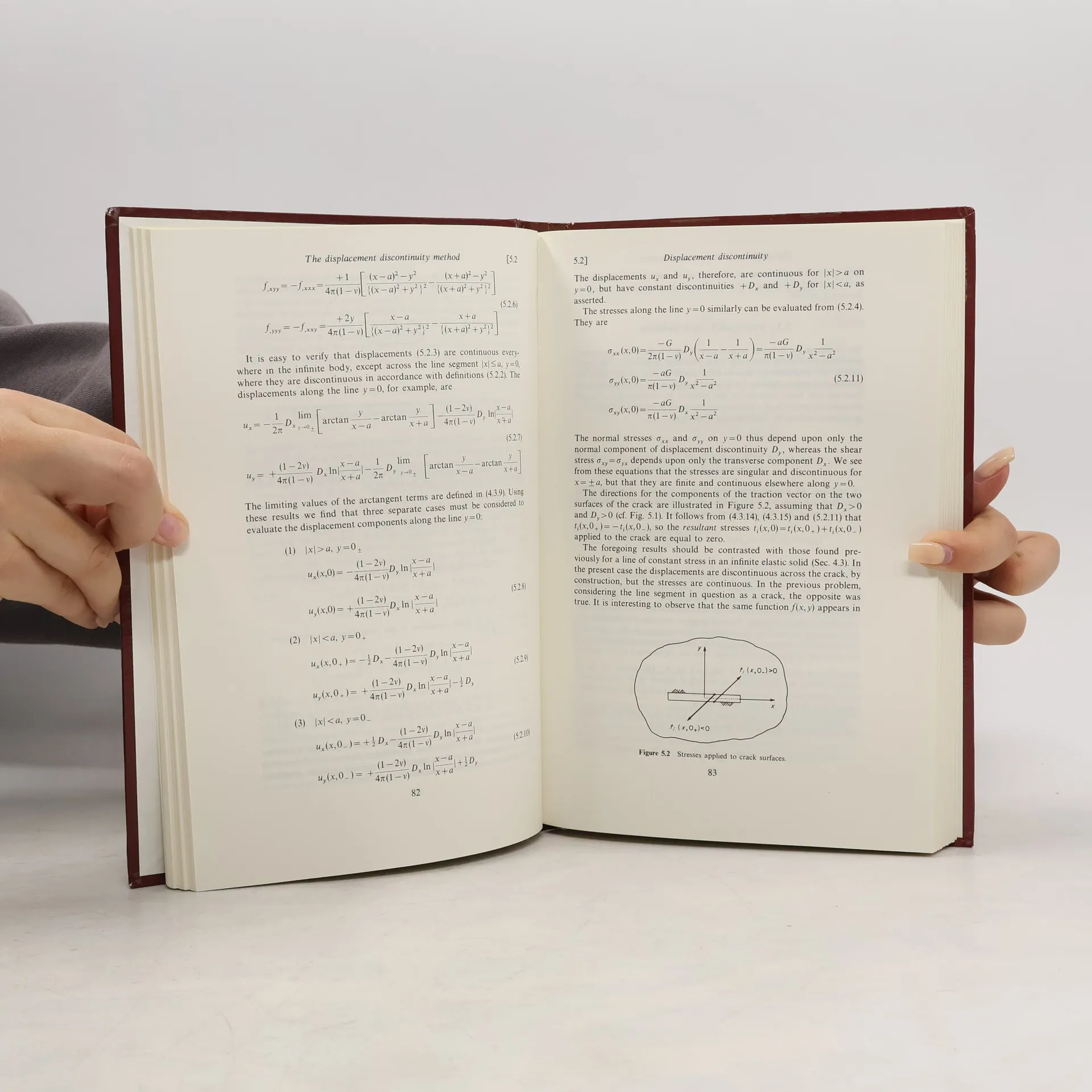
This work explains the boundary element technique with diagrams and with listings of computer programs for three methods. The authors use a system of highlighting key words and the book is designed for anyone in rock mechanics and mining sciences who has some grounding in the theory of elasticity. After a review of relevant aspects of elasticity theory, a simple boundary element method is developed from the Flamant solution for a line of concentrated force on the surface of an elastic half-plane - demonstrating the constructive connection between solutions to simple and complex problems. The direct and indirect methods for plane problems are also developed, largely from a physical standpoint.
Achat du livre
Boundary Element Methods in Solid Mechanics, Steven L. Crouch, A. M. Starfield
- Langue

- Année de publication
- 1983
- Reliure
- (rigide)
Modes de paiement
Il manque plus que ton avis ici.
- Titre
- Boundary Element Methods in Solid Mechanics
- Sous-titre
- With Applications in Rock Mechanics and Geological Engineering
- Langue
- Anglais
- Auteurs
- Steven L. Crouch, A. M. Starfield
- Éditeur
- George Allen & Unwin
- Publié
- 1983
- Format
- rigide
- Pages
- 322
- ISBN10
- 004620010X
- ISBN13
- 9780046200107
- Séries
- Mots clés
- Manuels, Manuels universitaires, Science, Technologie, Ingénierie
- Évaluation
- 5 sur 5
- Description
- This work explains the boundary element technique with diagrams and with listings of computer programs for three methods. The authors use a system of highlighting key words and the book is designed for anyone in rock mechanics and mining sciences who has some grounding in the theory of elasticity. After a review of relevant aspects of elasticity theory, a simple boundary element method is developed from the Flamant solution for a line of concentrated force on the surface of an elastic half-plane - demonstrating the constructive connection between solutions to simple and complex problems. The direct and indirect methods for plane problems are also developed, largely from a physical standpoint.