


Évaluation du livre
Paramètres
- 408pages
- 15 heures de lecture
En savoir plus sur le livre
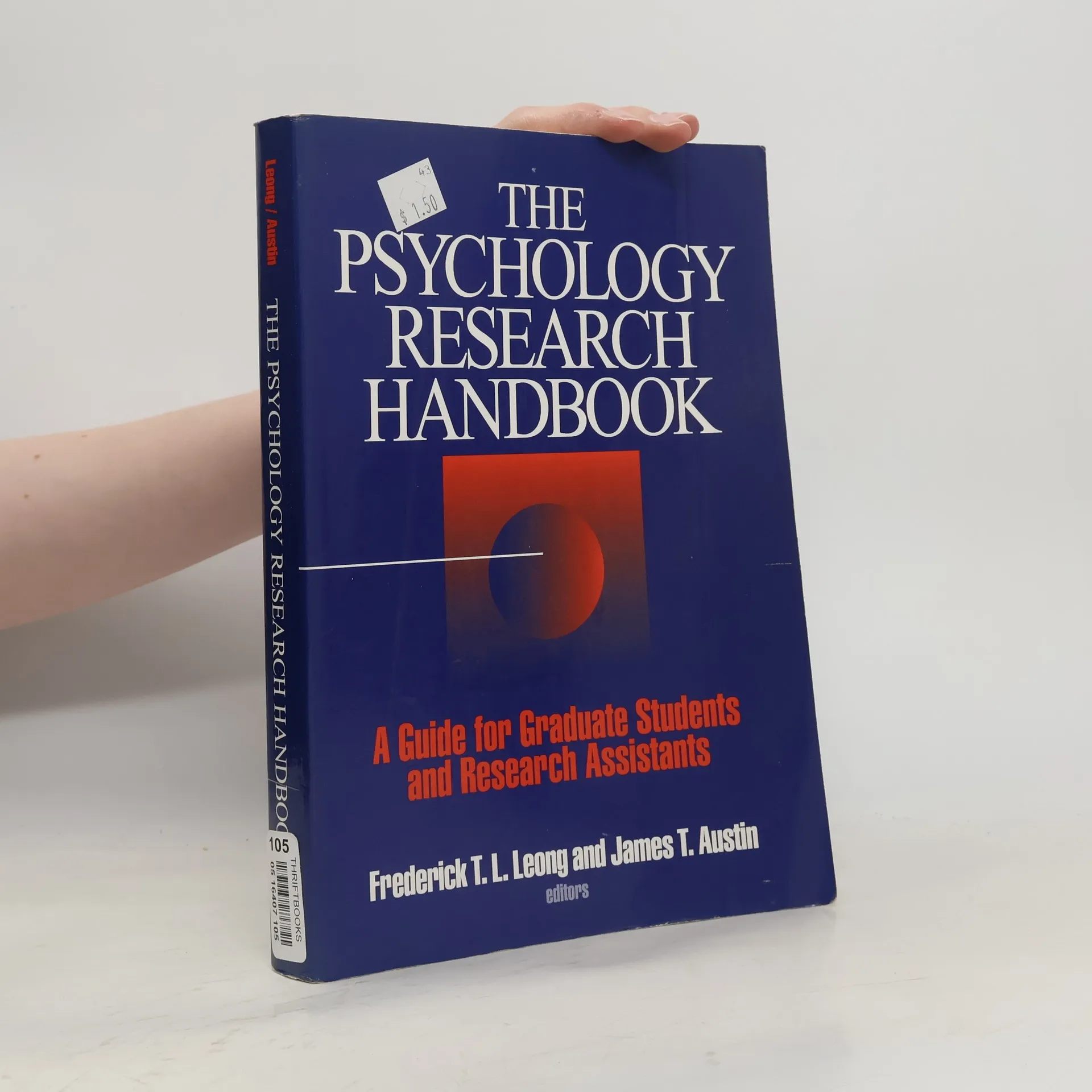
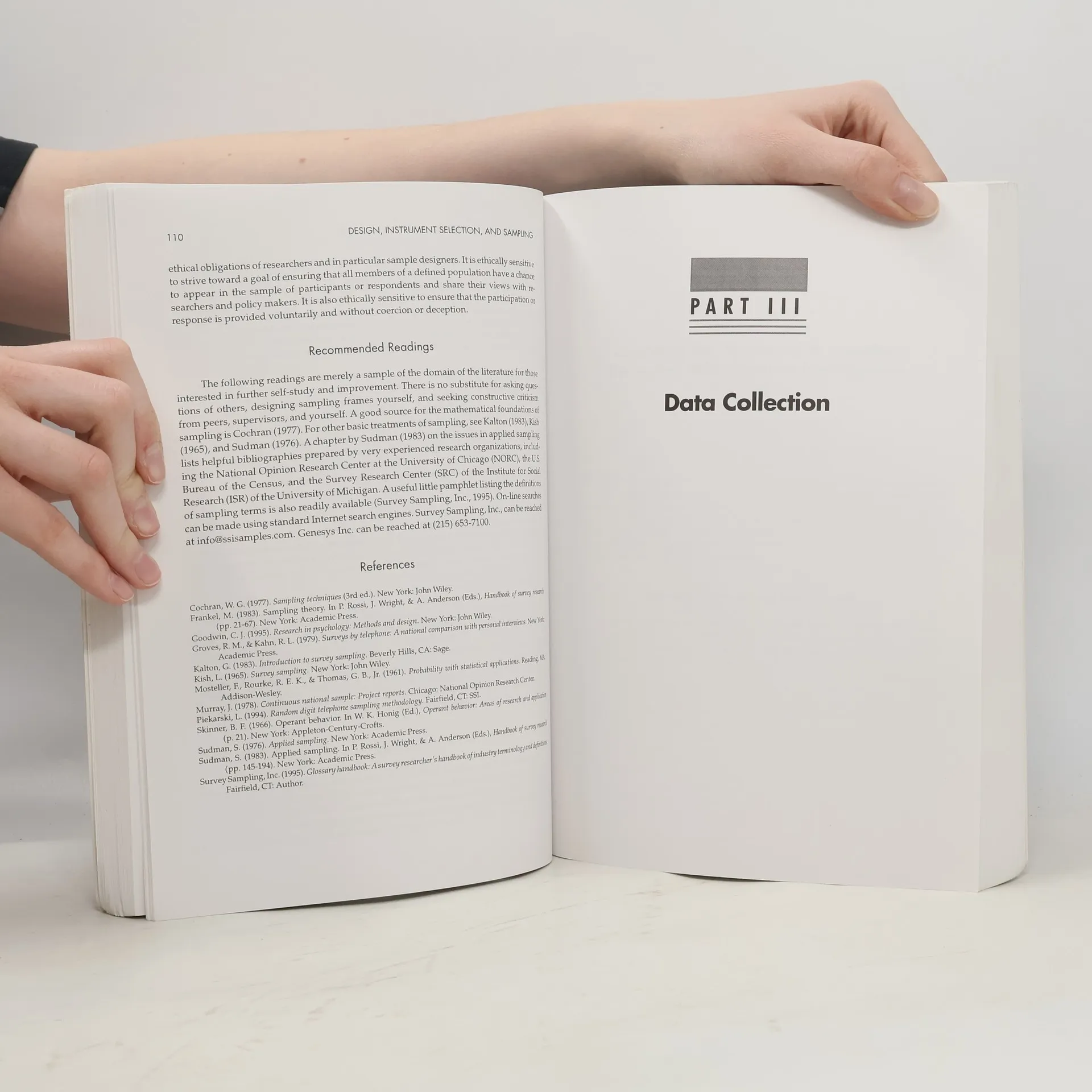
This comprehensive, easy-to-understand guide is ideal for the beginning psychology researcher. The Handbook follows the standard model of research planning, design, data collection, statistical analysis and writing-up results. Individual chapters focus on such integral tasks as: finding a topic; conducting literature searches; selecting instruments; designing surveys and questionnaires; sampling; applying for institutional approval; conducting mail and phone surveys; cleaning up a data set; using basic and advanced statistical analysis; and doing qualitative analysis. In addition, a special topics section gives advice on such issues as coordinating a research team, applying for grants and using theory in research.
Achat du livre
The Psychology Research Handbook, Frederick T. L. Leong, James T. Austin
- Langue

- Année de publication
- 1996
- Reliure
- (souple)
Modes de paiement
Il manque plus que ton avis ici.
- Titre
- The Psychology Research Handbook
- Sous-titre
- A Guide for Graduate Students and Research Assistants
- Langue
- Anglais
- Auteurs
- Frederick T. L. Leong, James T. Austin
- Éditeur
- SAGE Publications, Inc
- Publié
- 1996
- Format
- souple
- Pages
- 408
- ISBN10
- 0803970498
- ISBN13
- 9780803970496
- Séries
- Mots clés
- Thèmes psychologiques, Manuels et guides, États-Unis, Littérature spécialisée, Santé mentale, Recherche, Méthodologie
- Évaluation
- 2 sur 5
- Description
- This comprehensive, easy-to-understand guide is ideal for the beginning psychology researcher. The Handbook follows the standard model of research planning, design, data collection, statistical analysis and writing-up results. Individual chapters focus on such integral tasks as: finding a topic; conducting literature searches; selecting instruments; designing surveys and questionnaires; sampling; applying for institutional approval; conducting mail and phone surveys; cleaning up a data set; using basic and advanced statistical analysis; and doing qualitative analysis. In addition, a special topics section gives advice on such issues as coordinating a research team, applying for grants and using theory in research.