

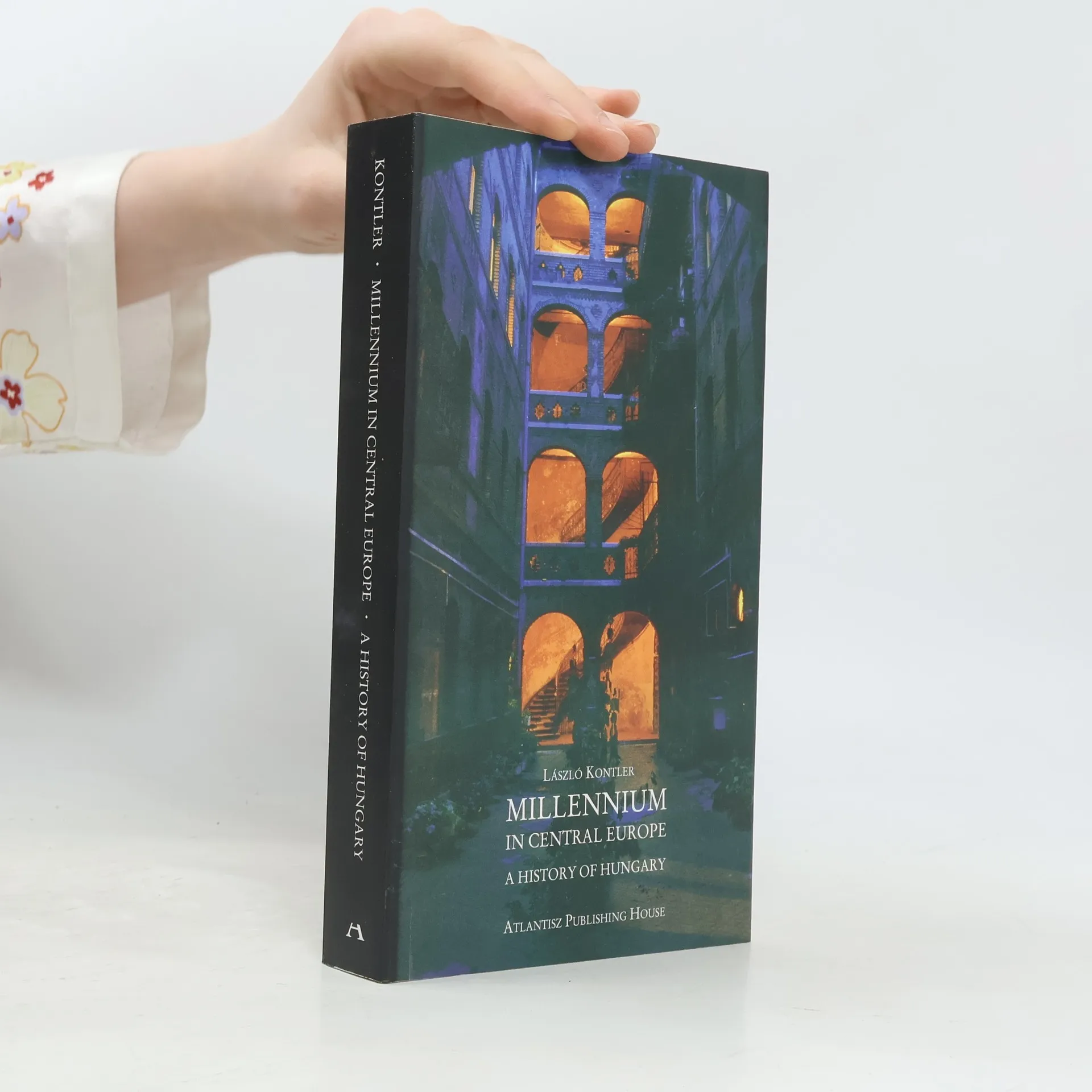

En savoir plus sur le livre
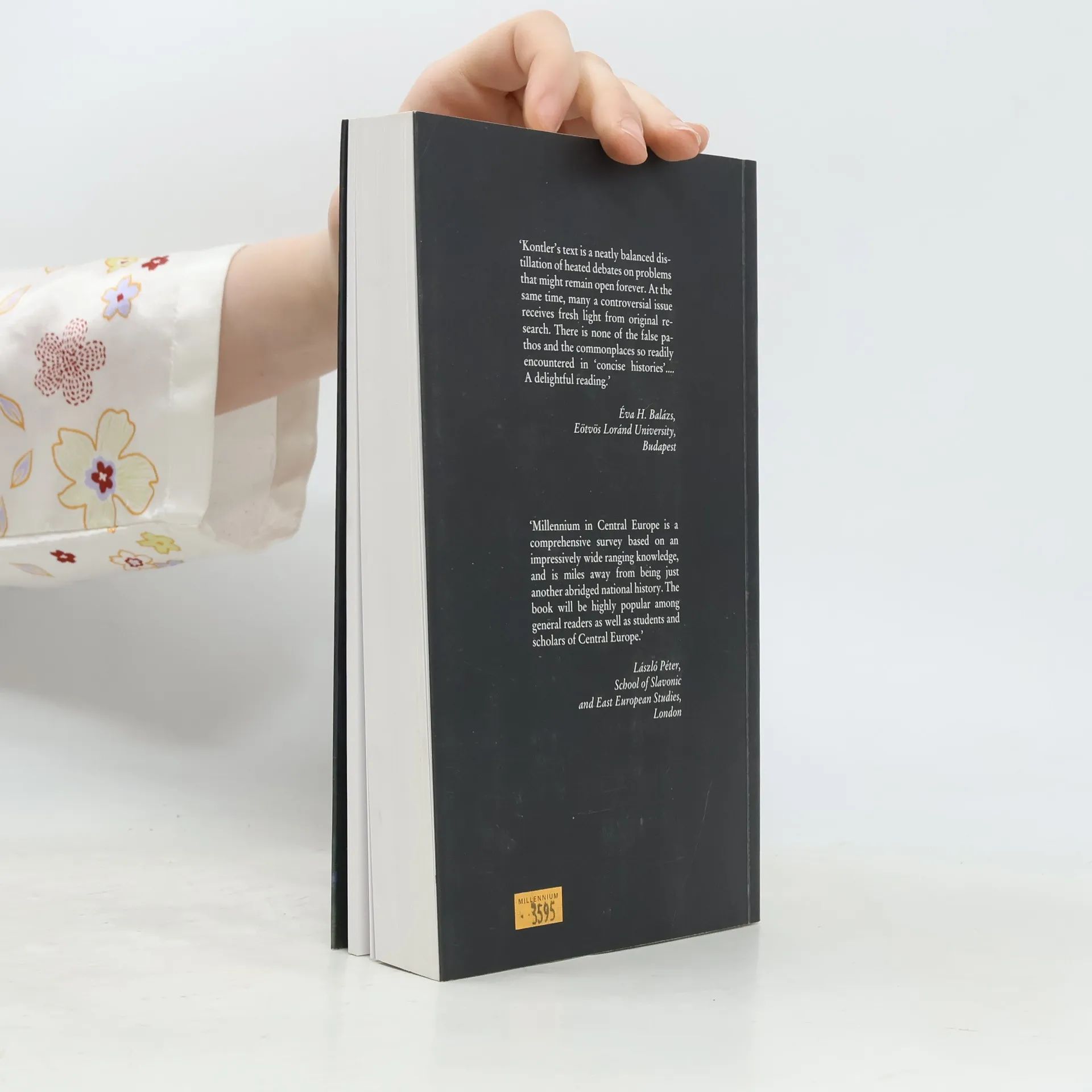
A History of Millennium in Central Europe provides a comprehensive yet approachable survey of Hungarian history from the prehistoric age to the present day. Politics and culture, economic, social and intellectual developments, and the wider European context are integrated in a single narrative. László Kontler adeptly steers the reader through ancient times, the great migration of peoples, and the creation and troubles of a Christian monarchy that arose in the region wedged between the Baltic and the Balkans, and the Germanic and Russian lands. He then explores factors such as socio-economic backwardness and foreign rule which put Hungary at a disadvantage in coping with the challenges of modernity - a process marked by revolutions, wars of independence, historic compromises and territorial losses. The book includes a detailed discussion of the 'socialist' period, while a brief Epilogue assesses the achievements and the difficulties of the present process of transition to democracy.
Achat du livre
Millennium in Central Europe, László Kontler
- Langue

- Année de publication
- 1999
- Reliure
- (souple)
Modes de paiement
Il manque plus que ton avis ici.
- Titre
- Millennium in Central Europe
- Sous-titre
- A History of Hungary
- Langue
- Anglais
- Auteurs
- László Kontler
- Éditeur
- Atlantisz
- Publié
- 1999
- Format
- souple
- Pages
- 540
- ISBN10
- 9639165379
- ISBN13
- 9789639165373
- Séries
- Mots clés
- Histoire de l'Europe, Hongrie, Littérature hongroise
- Évaluation
- 4 sur 5
- Description
- A History of Millennium in Central Europe provides a comprehensive yet approachable survey of Hungarian history from the prehistoric age to the present day. Politics and culture, economic, social and intellectual developments, and the wider European context are integrated in a single narrative. László Kontler adeptly steers the reader through ancient times, the great migration of peoples, and the creation and troubles of a Christian monarchy that arose in the region wedged between the Baltic and the Balkans, and the Germanic and Russian lands. He then explores factors such as socio-economic backwardness and foreign rule which put Hungary at a disadvantage in coping with the challenges of modernity - a process marked by revolutions, wars of independence, historic compromises and territorial losses. The book includes a detailed discussion of the 'socialist' period, while a brief Epilogue assesses the achievements and the difficulties of the present process of transition to democracy.