

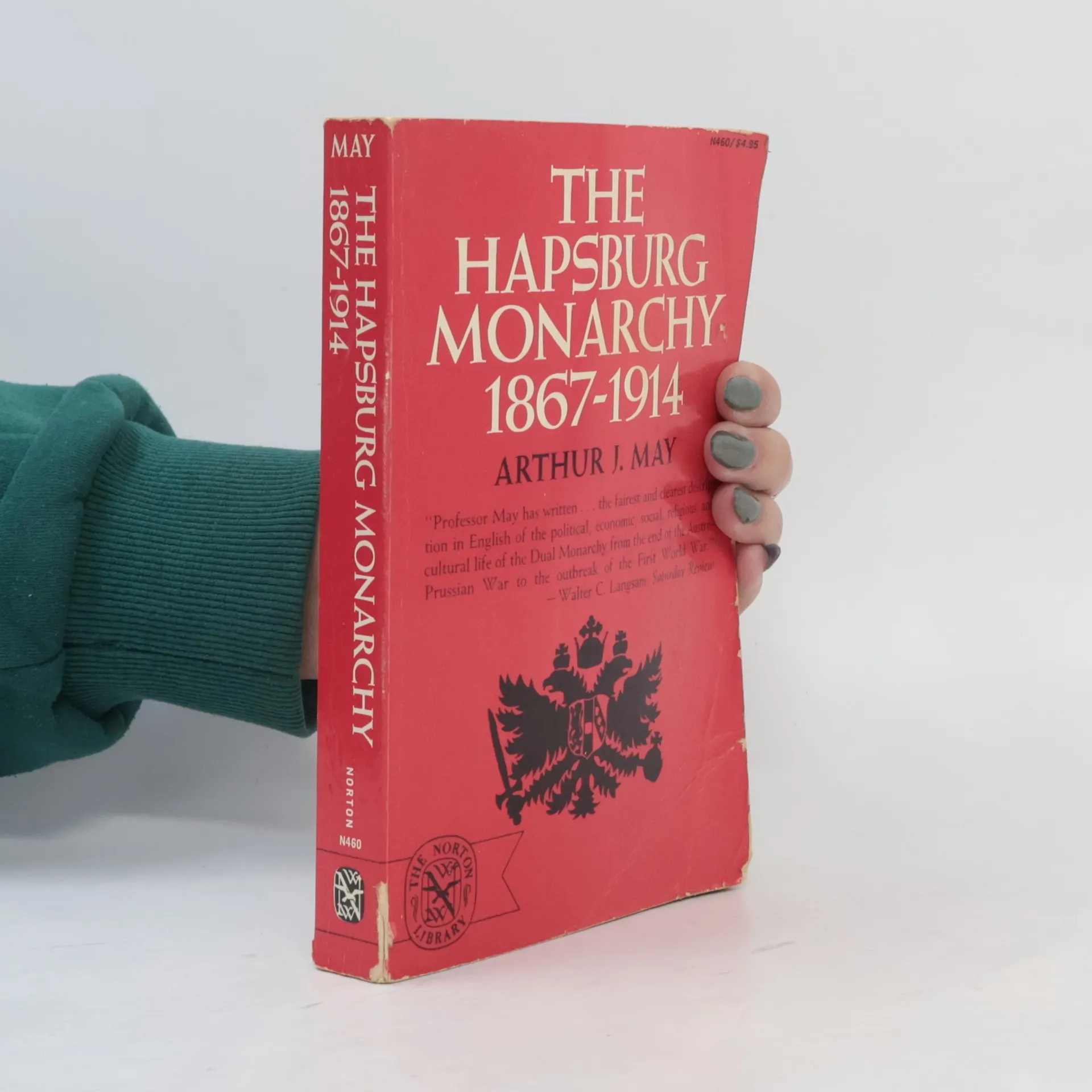
The Norton Library: The Hapsburg Monarchy, 1867-1914
Auteurs
Évaluation du livre
En savoir plus sur le livre
The extraordinary and amorphous Hapsburg Empire--that ramshackle realm as Lloyd George called it--extended from cultivated Vienna to the remote hamlets of the Ukrainian East, and comprised a wide mixture of peoples: Magyars, Czechs, Poles and Ruthenians, Slovenes, Croats. Mr. May discusses the many elements of this diverse realm, its society, culture, economy, politics, diplomacy, and great men; the burgeoning forces of nationalism which eventually were to tear the empire apart, and the reasons why it held together as long as it did--reasons which had much to do with the personalities at the head of the realm: Francis Joseph, the Empress-Queen Elizabeth, and various ministers such as Colomon Tisza and Counts Andr�ssy, Beust, and Aehrenthal, whose characters and achievements are vividly described. The book also deals with Austria-Hungary's relations with the major powers of France, Russia, England, Germany, Italy, and Turkey, and with the growing powers of the Balkan countries, assessing the pivotal role the Hapsburg Monarchy played in the diplomacy of modern Europe.
Achat du livre
The Norton Library: The Hapsburg Monarchy, 1867-1914, Arthur James May
- Langue

- Année de publication
- 1968
- Reliure
- (souple)
Modes de paiement
Il manque plus que ton avis ici.
- Titre
- The Norton Library: The Hapsburg Monarchy, 1867-1914
- Langue
- Anglais
- Auteurs
- Arthur James May
- Éditeur
- W. W. Norton & Company
- Publié
- 1968
- Format
- souple
- Pages
- 548
- ISBN10
- 0393004600
- ISBN13
- 9780393004601
- Séries
- Catégories
- Mots clés
- Évaluation
- 3,65 sur 5
- Description
- The extraordinary and amorphous Hapsburg Empire--that ramshackle realm as Lloyd George called it--extended from cultivated Vienna to the remote hamlets of the Ukrainian East, and comprised a wide mixture of peoples: Magyars, Czechs, Poles and Ruthenians, Slovenes, Croats. Mr. May discusses the many elements of this diverse realm, its society, culture, economy, politics, diplomacy, and great men; the burgeoning forces of nationalism which eventually were to tear the empire apart, and the reasons why it held together as long as it did--reasons which had much to do with the personalities at the head of the realm: Francis Joseph, the Empress-Queen Elizabeth, and various ministers such as Colomon Tisza and Counts Andr�ssy, Beust, and Aehrenthal, whose characters and achievements are vividly described. The book also deals with Austria-Hungary's relations with the major powers of France, Russia, England, Germany, Italy, and Turkey, and with the growing powers of the Balkan countries, assessing the pivotal role the Hapsburg Monarchy played in the diplomacy of modern Europe.