

Séries
En savoir plus sur le livre
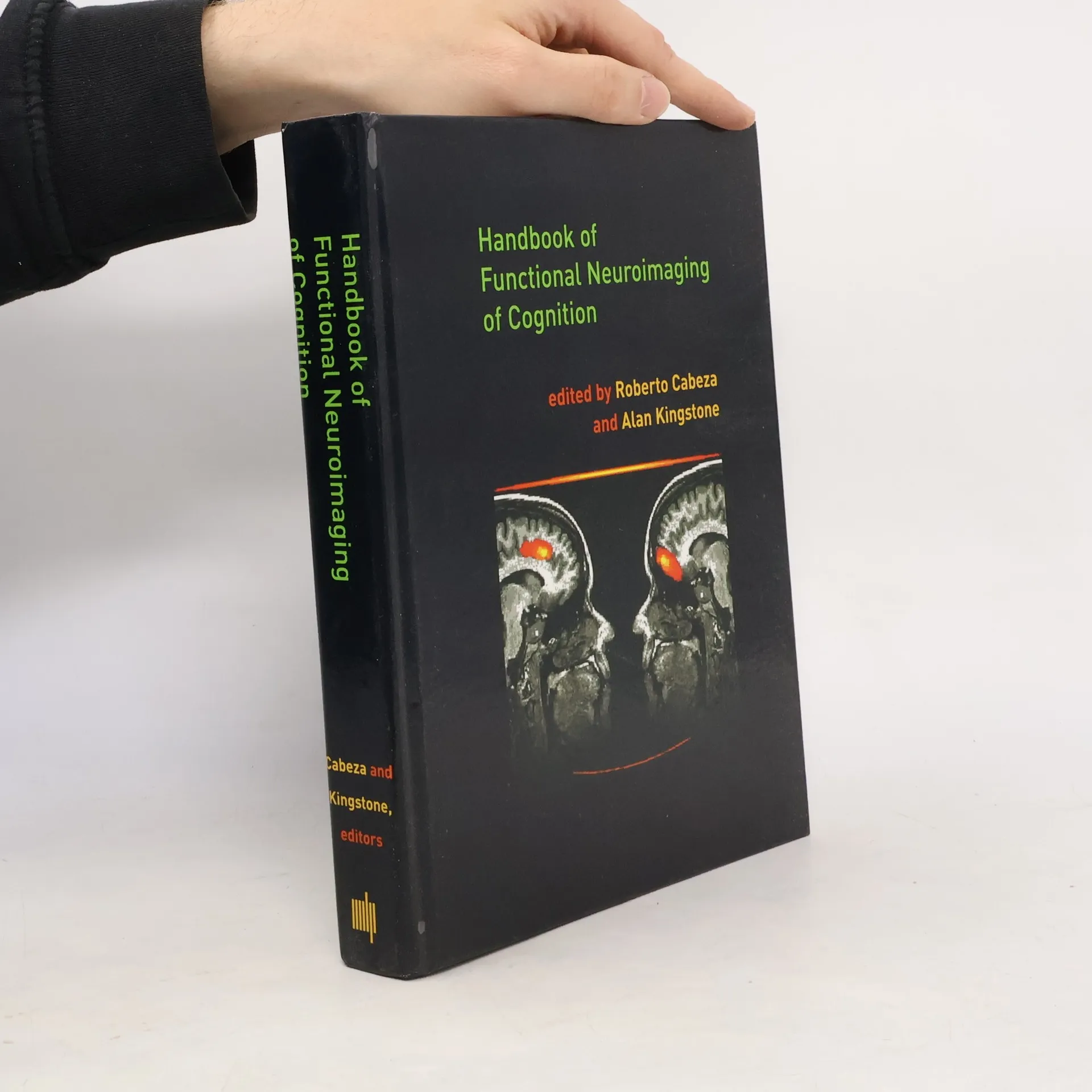
With its strong theoretical focus, this book serves as an essential resource on the functional neuroimaging of cognitive processes and on the latest discoveries obtained through positron emission tomography (PET) and functional magnetic resonance imaging (fMRI) techniques. It is organized into three sections. The first covers the history and methods of PET and fMRI, as well as cognitive networks, showing how the brain regions involved in the different cognitive processes interact. The second part, the book's core, covers PET and fMRI findings in specific domains: attention, visual recognition, language, semantic memory, episodic memory, and working memory. The third part covers the effects of aging on brain activity during cognitive performance and also examines research with neuropsychologically impaired patients. Contributors Jeffrey Binder, Randy L. Buckner, Roberto Cabeza, Mark D'Esposito, Paul Downing, Russell Epstein, Karl J. Friston, John D.E. Gabrieli, Todd C. Handy, Joseph B. Hopfinger, Nancy Kanwisher, Zoe Kourtzi, Jessica M. Logan, George R. Mangun, Alex Martin, A.R. McIntosh, L. Nyberg, Cathy J. Price, Marcus E. Raichle
Achat du livre
Handbook of Functional Neuroimaging of Cognition, Roberto Cabeza, Alan Kingstone
- Langue

- Année de publication
- 2001
- Reliure
- (rigide)
Modes de paiement
Il manque plus que ton avis ici.
- Titre
- Handbook of Functional Neuroimaging of Cognition
- Langue
- Anglais
- Auteurs
- Roberto Cabeza, Alan Kingstone
- Éditeur
- MIT Press
- Publié
- 2001
- Format
- rigide
- Pages
- 418
- ISBN10
- 0262032805
- ISBN13
- 9780262032803
- Séries
- Neurosciences Cognitives
- Catégories
- Mots clés
- Science, Neurosciences
- Évaluation
- 3,65 sur 5
- Description
- With its strong theoretical focus, this book serves as an essential resource on the functional neuroimaging of cognitive processes and on the latest discoveries obtained through positron emission tomography (PET) and functional magnetic resonance imaging (fMRI) techniques. It is organized into three sections. The first covers the history and methods of PET and fMRI, as well as cognitive networks, showing how the brain regions involved in the different cognitive processes interact. The second part, the book's core, covers PET and fMRI findings in specific domains: attention, visual recognition, language, semantic memory, episodic memory, and working memory. The third part covers the effects of aging on brain activity during cognitive performance and also examines research with neuropsychologically impaired patients. Contributors Jeffrey Binder, Randy L. Buckner, Roberto Cabeza, Mark D'Esposito, Paul Downing, Russell Epstein, Karl J. Friston, John D.E. Gabrieli, Todd C. Handy, Joseph B. Hopfinger, Nancy Kanwisher, Zoe Kourtzi, Jessica M. Logan, George R. Mangun, Alex Martin, A.R. McIntosh, L. Nyberg, Cathy J. Price, Marcus E. Raichle