

Paramètres
En savoir plus sur le livre
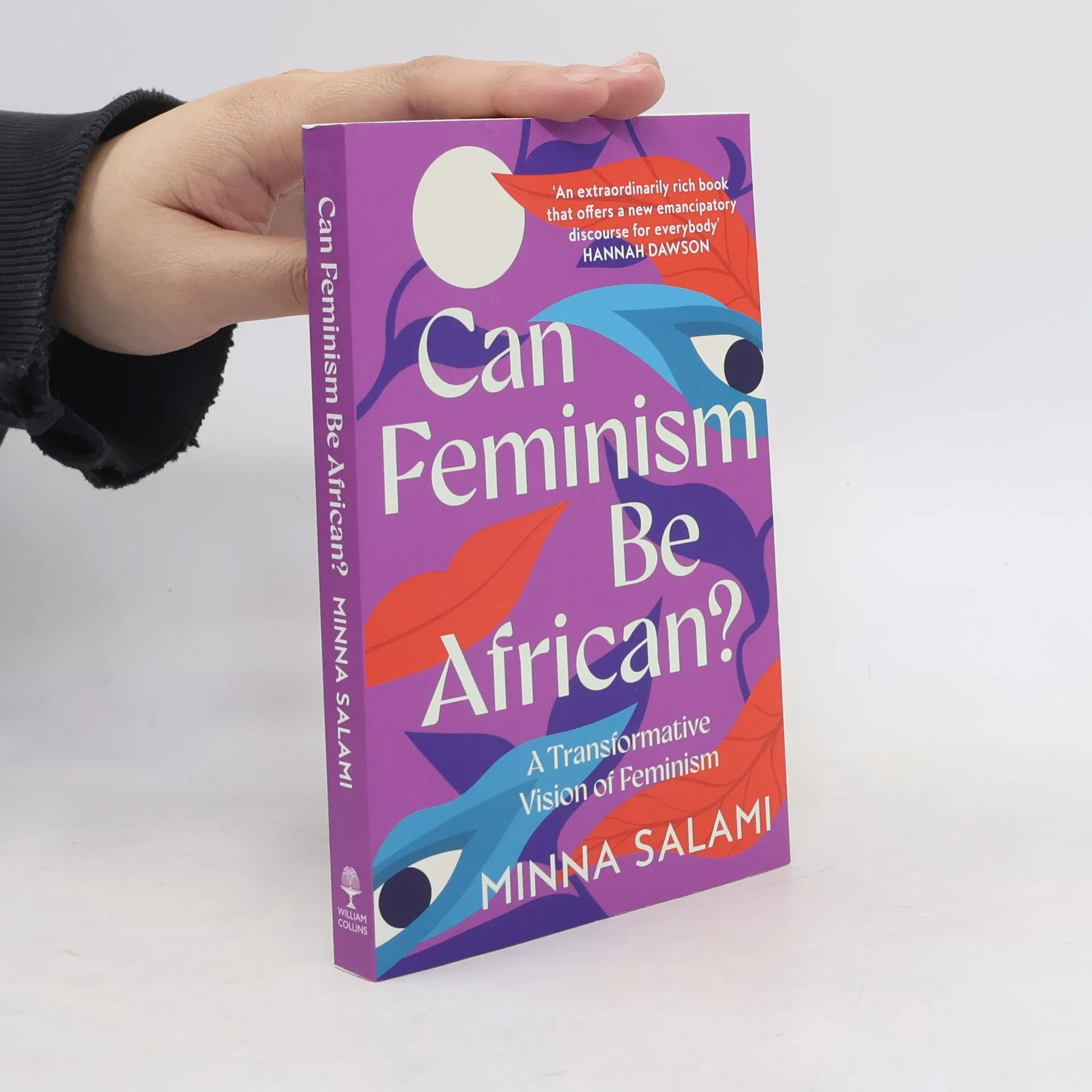
What happens when we consider Africa through a feminist lens and feminism through an African one? And what does it mean to centre selfhood in this journey? In this shining, wide-ranging inquiry, Minna Salami explores these questions through an unhesitating and incisive vision of African feminist political philosophy. Drawing from feminist thought, postcolonial theory, historical insights, and African knowledge systems, Salami combines personal reflection with cultural criticism to offer a vivid and cohesive discussion about power, identity, patriarchy, imagination, and the human condition. Grounded in Africa's enduring visions of agency and autonomy, Can Feminism Be African? opens new paths for rethinking the narratives that shape our world. This is a timely and thought-provoking read, calling us to rethink the past, present, and future through new perspectives.
Achat du livre
Can Feminism Be African?, Minna Salami, Hannah Dawson
- Langue

- Année de publication
- 2026
Modes de paiement
Personne n'a encore évalué .
- Titre
- Can Feminism Be African?
- Sous-titre
- A Most Paradoxical Question
- Langue
- Anglais
- Auteurs
- Minna Salami, Hannah Dawson
- Éditeur
- William Collins
- Publié
- 2026
- ISBN10
- 0008559252
- ISBN13
- 9780008559250
- Séries
- Catégories
- Mots clés
- Thème historique, Féminisme, Afrique, Identité
- Description
- What happens when we consider Africa through a feminist lens and feminism through an African one? And what does it mean to centre selfhood in this journey? In this shining, wide-ranging inquiry, Minna Salami explores these questions through an unhesitating and incisive vision of African feminist political philosophy. Drawing from feminist thought, postcolonial theory, historical insights, and African knowledge systems, Salami combines personal reflection with cultural criticism to offer a vivid and cohesive discussion about power, identity, patriarchy, imagination, and the human condition. Grounded in Africa's enduring visions of agency and autonomy, Can Feminism Be African? opens new paths for rethinking the narratives that shape our world. This is a timely and thought-provoking read, calling us to rethink the past, present, and future through new perspectives.