

En savoir plus sur le livre
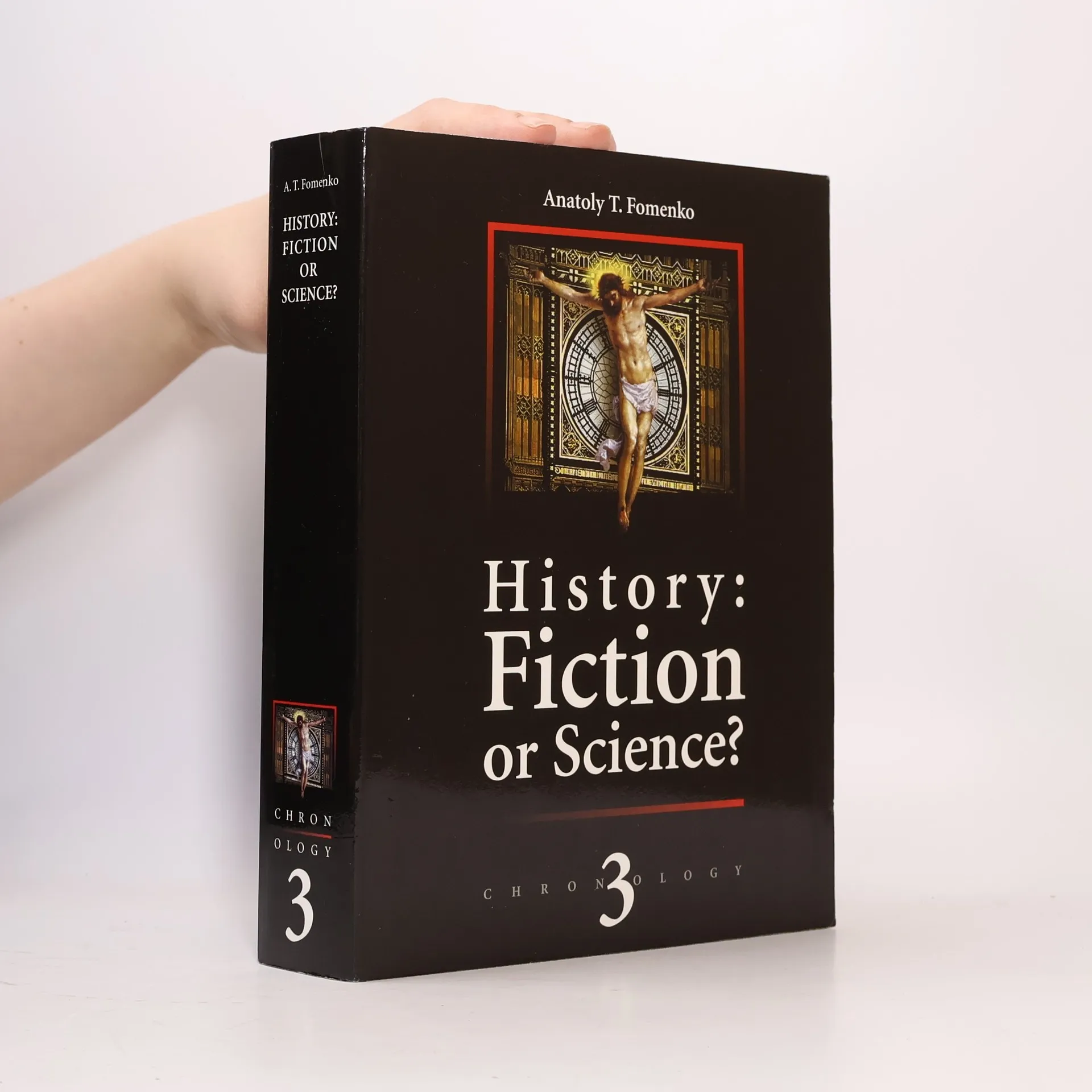
Dr. Prof Anatoly Fomenko and his team analyze the Almagest of ancient Ptolemy, traditionally dated to 150 A.D. and regarded as a cornerstone of classical history. Their findings suggest that the Almagest was actually compiled in the XVI-XVII centuries using astronomical data from the IX-XVI centuries. The notion of Ptolemy as the "King of astronomers" is challenged, revealing him to be a medieval construct, thus clearing him of accusations made by late American astrophysicist Robert Newton. Additionally, ancient Egyptian horoscopes found in the tombs of the Pharaohs and inscribed in Dendera and Esna, long deemed indecipherable, are finally decoded, revealing that the dates pertain to the XI century A.D. at the earliest. This raises intriguing questions about the true age of 'ancient' Egypt. The book offers fresh insights and updates on the biographies of renowned medieval astronomers like Tycho Brahe and Copernicus. Reading it is akin to a test flight into the past, returning with a history that is both closer and vastly different from what is typically taught. The publishers are offering a $10,000 reward for anyone who can convincingly disprove Fomenko's New Chronology theory with adequate academic rigor.
Achat du livre
Chronology - 3: History, Anatoly T Fomenko
- Langue

- Année de publication
- 2002
- Reliure
- (souple)
Modes de paiement
Personne n'a encore évalué .
- Titre
- Chronology - 3: History
- Sous-titre
- Fiction or Science?
- Langue
- Anglais
- Auteurs
- Anatoly T Fomenko
- Éditeur
- Mithec
- Publié
- 2002
- Format
- souple
- Pages
- 805
- ISBN10
- 2913621082
- ISBN13
- 9782913621084
- Séries
- Mots clés
- Époque antique, Égypte, Histoire des sciences
- Description
- Dr. Prof Anatoly Fomenko and his team analyze the Almagest of ancient Ptolemy, traditionally dated to 150 A.D. and regarded as a cornerstone of classical history. Their findings suggest that the Almagest was actually compiled in the XVI-XVII centuries using astronomical data from the IX-XVI centuries. The notion of Ptolemy as the "King of astronomers" is challenged, revealing him to be a medieval construct, thus clearing him of accusations made by late American astrophysicist Robert Newton. Additionally, ancient Egyptian horoscopes found in the tombs of the Pharaohs and inscribed in Dendera and Esna, long deemed indecipherable, are finally decoded, revealing that the dates pertain to the XI century A.D. at the earliest. This raises intriguing questions about the true age of 'ancient' Egypt. The book offers fresh insights and updates on the biographies of renowned medieval astronomers like Tycho Brahe and Copernicus. Reading it is akin to a test flight into the past, returning with a history that is both closer and vastly different from what is typically taught. The publishers are offering a $10,000 reward for anyone who can convincingly disprove Fomenko's New Chronology theory with adequate academic rigor.