

En savoir plus sur le livre
Information services are currently going through what is probably the most significant period of change in their history. At the same time, thinking about organisational change in general management has continued to develop, and many of the emerging ideas, strategies and processes are increasingly relevant to information services. Since the first edition of this highly regarded book was published in 2000 the pace of change has accelerated because of the influence of digitisation and technological developments in general, the emergence of what might be called a business culture, changes in skills and knowledge requirements, and changes in user and personnel attitudes. Despite these rapid developments the current literature tends to reflect a preoccupation with technological developments at the expense of consideration for the broader managerial base. This second edition fills the gap in the literature and is fully updated with the inclusion of a number of new chapters and new case studies.
Achat du livre
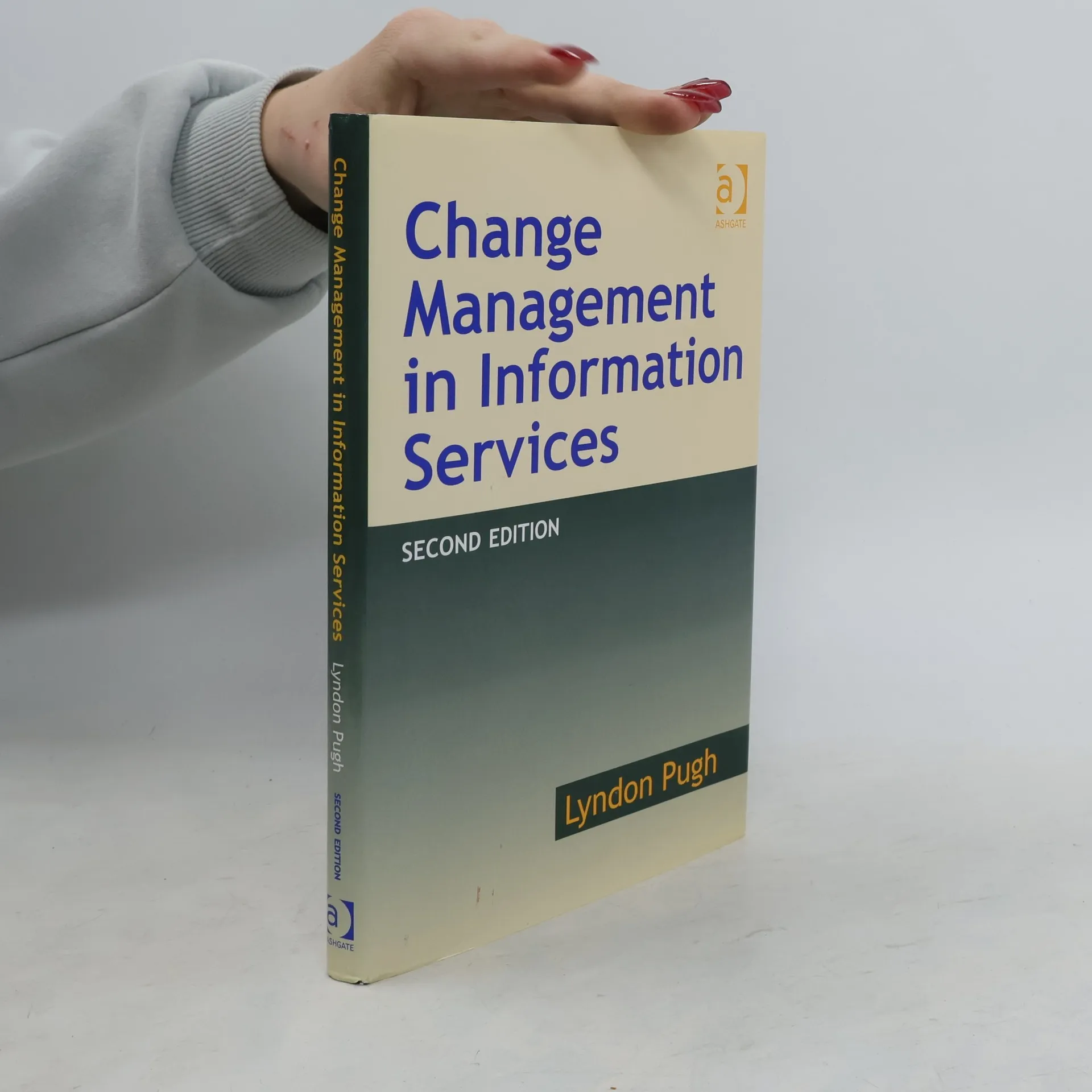
Change Management in Information Services, Lyndon Pugh
- Langue

- Année de publication
- 2007
- Reliure
- (rigide)
Modes de paiement
Personne n'a encore évalué .
- Titre
- Change Management in Information Services
- Sous-titre
- Second Edition
- Langue
- Anglais
- Auteurs
- Lyndon Pugh
- Éditeur
- Routledge
- Publié
- 2007
- Format
- rigide
- Pages
- 242
- ISBN10
- 0754646653
- ISBN13
- 9780754646655
- Séries
- Catégories
- Mots clés
- Commerce, Linguistique
- Description
- Information services are currently going through what is probably the most significant period of change in their history. At the same time, thinking about organisational change in general management has continued to develop, and many of the emerging ideas, strategies and processes are increasingly relevant to information services. Since the first edition of this highly regarded book was published in 2000 the pace of change has accelerated because of the influence of digitisation and technological developments in general, the emergence of what might be called a business culture, changes in skills and knowledge requirements, and changes in user and personnel attitudes. Despite these rapid developments the current literature tends to reflect a preoccupation with technological developments at the expense of consideration for the broader managerial base. This second edition fills the gap in the literature and is fully updated with the inclusion of a number of new chapters and new case studies.