


Paramètres
- 460pages
- 17 heures de lecture
En savoir plus sur le livre
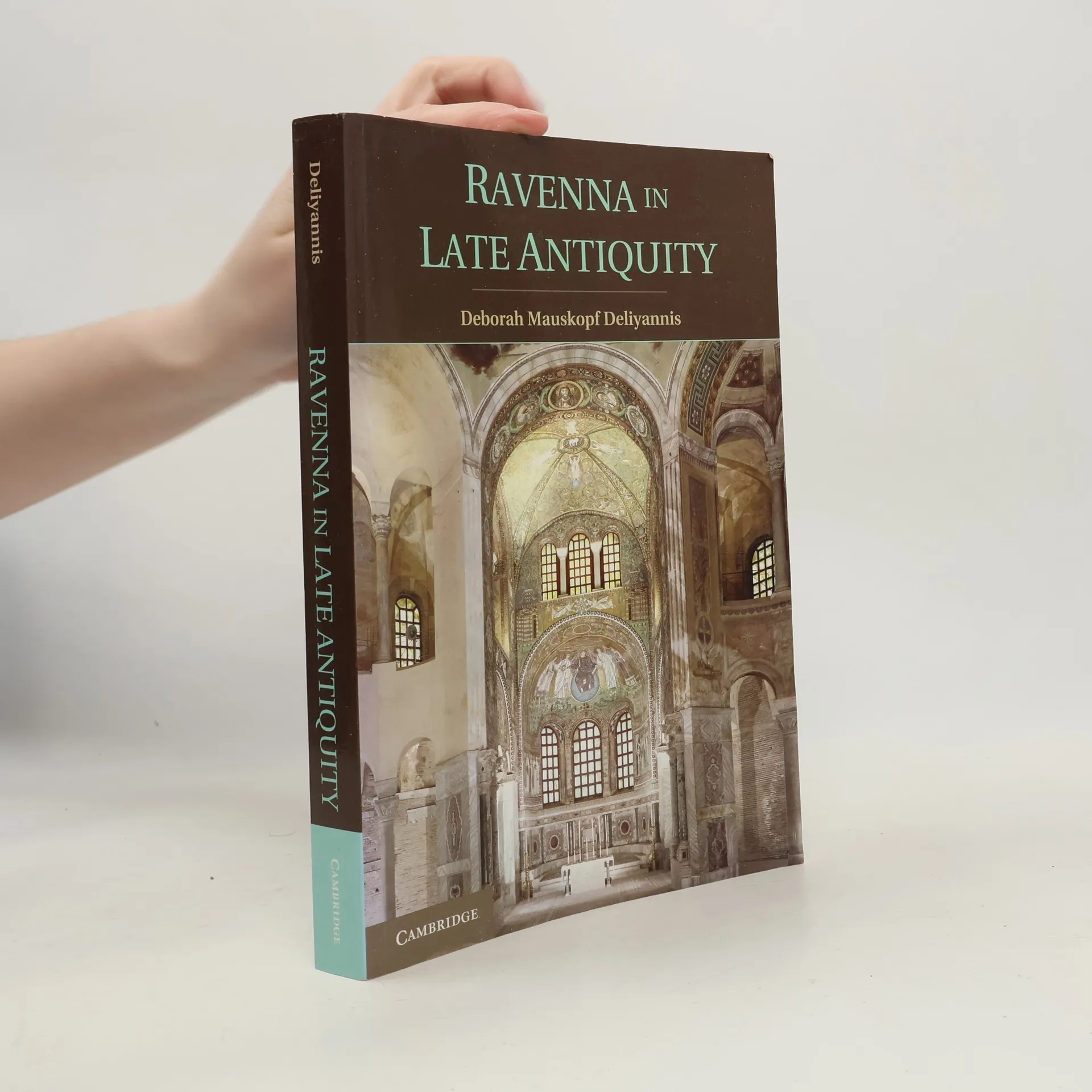
Ravenna was one of the most important cities of late antique Europe. Between 400 and 751 AD, it was the residence of western Roman emperors, Ostrogothic kings, and Byzantine governors of Italy, while its bishops and archbishops ranked second only to the popes. During this 350-year period, the city was progressively enlarged and enriched by remarkable works of art and architecture, many of which still survive today. Thus, Ravenna and its monuments are of critical importance to historians and art historians of the late ancient world. This book provides a comprehensive survey of Ravenna's history and monuments in late antiquity, including discussions of scholarly controversies, archaeological discoveries, and new interpretations of art works. A synthesis of the voluminous literature on this topic, this volume provides an English-language entry point for the study of this fascinating city.
Achat du livre
Ravenna in Late Antiquity, Deborah Mauskopf Deliyannis
- Langue

- Année de publication
- 2014
- Reliure
- (souple)
Modes de paiement
Personne n'a encore évalué .
- Titre
- Ravenna in Late Antiquity
- Langue
- Anglais
- Auteurs
- Deborah Mauskopf Deliyannis
- Éditeur
- Cambridge University Press
- Publié
- 2014
- Format
- souple
- Pages
- 460
- ISBN10
- 110761290X
- ISBN13
- 9781107612907
- Séries
- Catégories
- Mots clés
- Thème historique, Art, Architecture, Europe du Sud, Italie, Europe, Époque antique, Histoire de l'art, Histoire de l'Europe, Archéologie, Histoire de l'architecture
- Description
- Ravenna was one of the most important cities of late antique Europe. Between 400 and 751 AD, it was the residence of western Roman emperors, Ostrogothic kings, and Byzantine governors of Italy, while its bishops and archbishops ranked second only to the popes. During this 350-year period, the city was progressively enlarged and enriched by remarkable works of art and architecture, many of which still survive today. Thus, Ravenna and its monuments are of critical importance to historians and art historians of the late ancient world. This book provides a comprehensive survey of Ravenna's history and monuments in late antiquity, including discussions of scholarly controversies, archaeological discoveries, and new interpretations of art works. A synthesis of the voluminous literature on this topic, this volume provides an English-language entry point for the study of this fascinating city.