



En savoir plus sur le livre
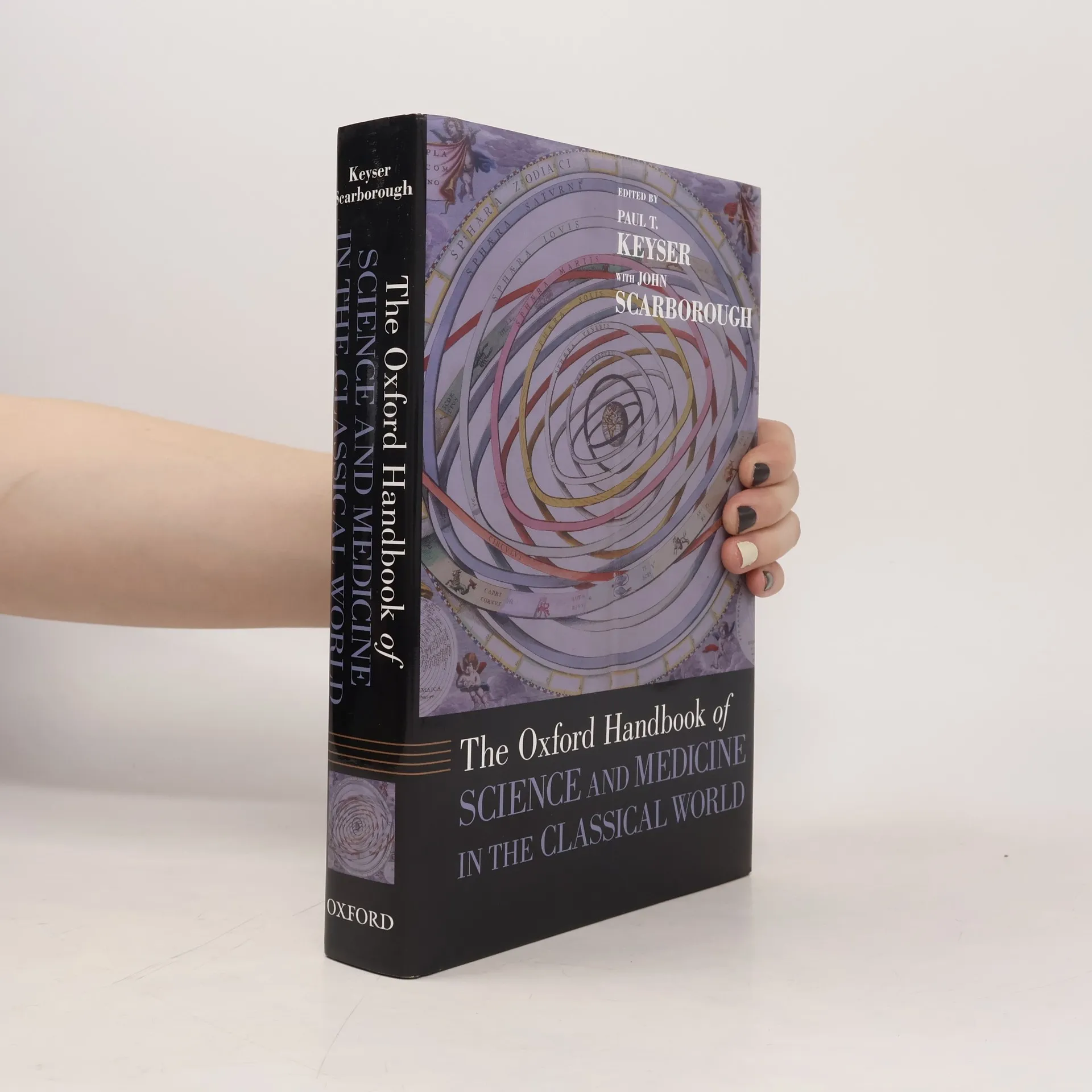
Focusing on ancient science and medicine in Greece and Rome, along with insights from Egypt, Mesopotamia, India, and China, this Handbook synthesizes knowledge from circa 650 BCE to 650 CE. It is organized into five sections, each addressing different historical periods of ancient science and medicine. The second section explores the early Greek era, including Plato and the mid-fourth century BCE. The third section spans the Hellenistic era, from Aristotle to the end of the Roman Republic, highlighting the continuity of intellectual thought despite political changes. The fourth section examines the Roman era from the late Republic to Late Antiquity, while the final section delves into Late Antiquity, including the early Byzantine centuries. Through approximately four dozen essays, the Handbook provides a comprehensive overview of ancient natural sciences, discussing topics such as music theory, philosophy, astrology, and alchemy. It encourages readers to explore the evolution of these concepts over time and their interrelations. Each essay focuses on primary texts, clarifying current understandings and hinting at future scholarly inquiries. Contributors present various scholarly perspectives and engage in debates, while extensive bibliographies guide readers to further literature.
Achat du livre
The Oxford Handbook of Science and Medicine in the Classical World, Paul Turquand Keyser, John Scarborough
- Langue

- Année de publication
- 2018
- Reliure
- (rigide)
Modes de paiement
Personne n'a encore évalué .
- Titre
- The Oxford Handbook of Science and Medicine in the Classical World
- Langue
- Anglais
- Auteurs
- Paul Turquand Keyser, John Scarborough
- Éditeur
- Oxford University Press
- Publié
- 2018
- Format
- rigide
- Pages
- 1064
- ISBN10
- 0199734143
- ISBN13
- 9780199734146
- Séries
- Mots clés
- Thème historique, Manuels, Manuels et guides, Science, Médecine, Époque antique, Archéologie, Grèce, Rome, Histoire des sciences, Histoire de la médecine, Histoire des sciences naturelles
- Description
- Focusing on ancient science and medicine in Greece and Rome, along with insights from Egypt, Mesopotamia, India, and China, this Handbook synthesizes knowledge from circa 650 BCE to 650 CE. It is organized into five sections, each addressing different historical periods of ancient science and medicine. The second section explores the early Greek era, including Plato and the mid-fourth century BCE. The third section spans the Hellenistic era, from Aristotle to the end of the Roman Republic, highlighting the continuity of intellectual thought despite political changes. The fourth section examines the Roman era from the late Republic to Late Antiquity, while the final section delves into Late Antiquity, including the early Byzantine centuries. Through approximately four dozen essays, the Handbook provides a comprehensive overview of ancient natural sciences, discussing topics such as music theory, philosophy, astrology, and alchemy. It encourages readers to explore the evolution of these concepts over time and their interrelations. Each essay focuses on primary texts, clarifying current understandings and hinting at future scholarly inquiries. Contributors present various scholarly perspectives and engage in debates, while extensive bibliographies guide readers to further literature.