

En savoir plus sur le livre
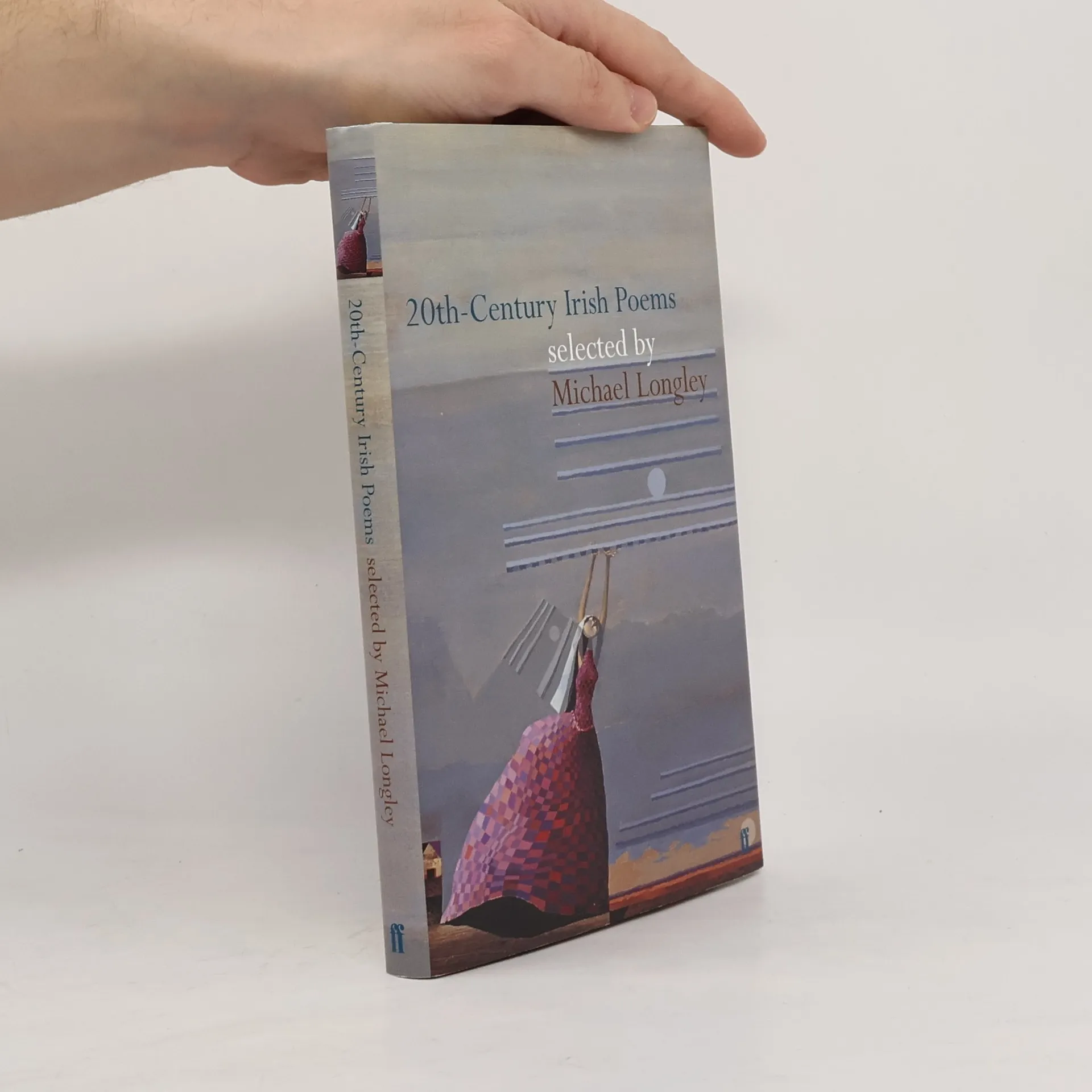
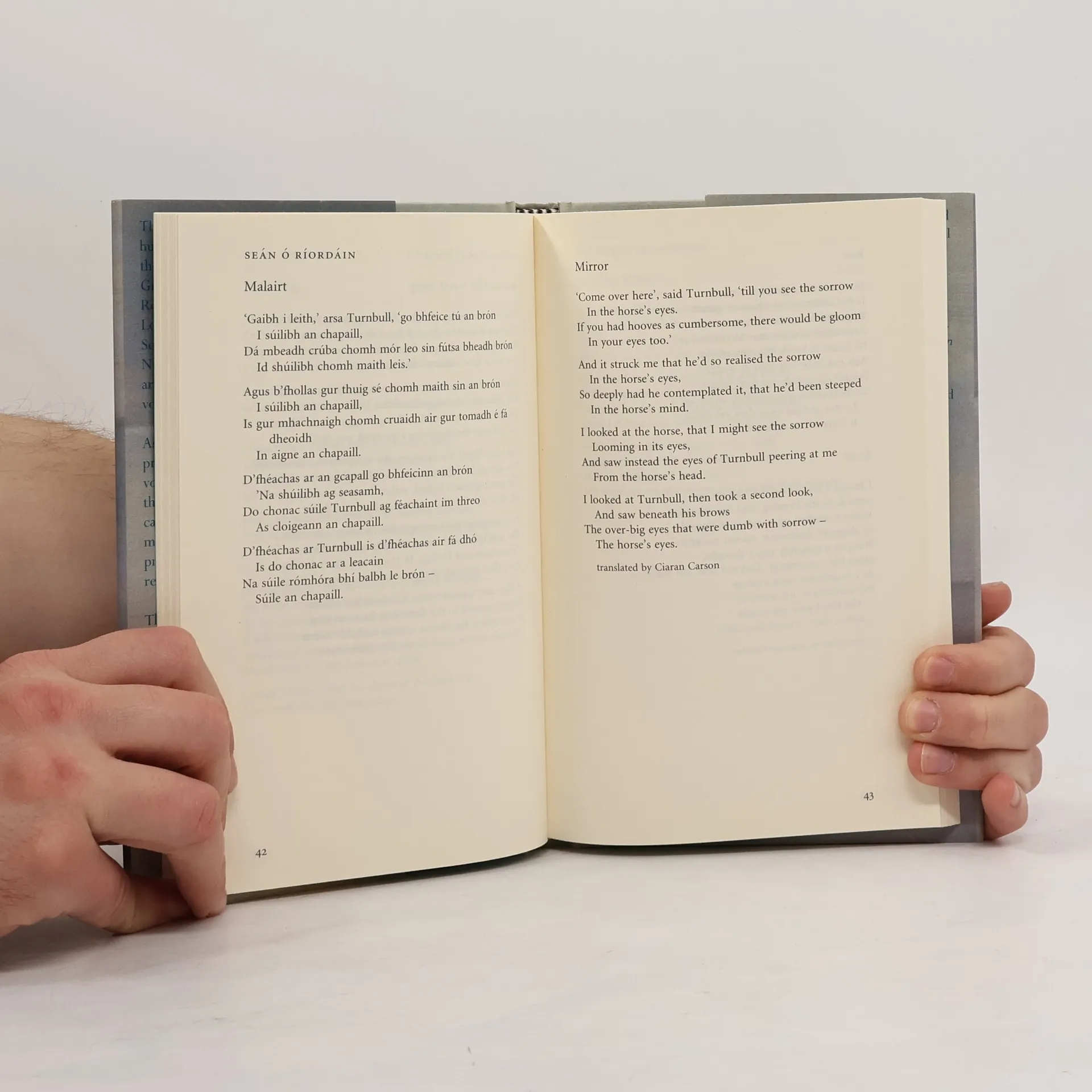
This anthology results from decades of random reading plus a recent deliberate trawl to discover more examples of what Robert Graves calls 'heart-rending sense', poems I would want to copy out in longhand or learn by heart or share with others in a book like this one'. There is huge variety, in Michael Longley's selection, of tone, of versification and of music, but an unashamed leaning towards the lyric; some of the finest love poems and elegies in any language can be found here. History too makes its presence felt - emigration, the 1916 Uprising, World War, the Troubles, the hunger strikes - sometimes in close-up, sometimes as noises-off. What unites all the poems is the imaginative relationship they have, one way or another, with Ireland, and that they are written by poets 'who have been true to their experience, who have forged individual idioms, who have transformed one or other of our old languages from within'.
Achat du livre
Poet to Poet: 20th-Century Irish Poems, Michael Longley
- Langue

- Année de publication
- 2002,
- État du livre
- Très bon
- Prix
- 7,99 €
Modes de paiement
Personne n'a encore évalué .
- Titre
- Poet to Poet: 20th-Century Irish Poems
- Langue
- Anglais
- Auteurs
- Michael Longley
- Éditeur
- Faber & Faber
- Publié
- 2002
- Pages
- 144
- ISBN10
- 0571209416
- ISBN13
- 9780571209415
- Séries
- Mots clés
- 20e siècle, Grande-Bretagne, Écrits rassemblés, Irlande, Poésie anglaise
- Description
- This anthology results from decades of random reading plus a recent deliberate trawl to discover more examples of what Robert Graves calls 'heart-rending sense', poems I would want to copy out in longhand or learn by heart or share with others in a book like this one'. There is huge variety, in Michael Longley's selection, of tone, of versification and of music, but an unashamed leaning towards the lyric; some of the finest love poems and elegies in any language can be found here. History too makes its presence felt - emigration, the 1916 Uprising, World War, the Troubles, the hunger strikes - sometimes in close-up, sometimes as noises-off. What unites all the poems is the imaginative relationship they have, one way or another, with Ireland, and that they are written by poets 'who have been true to their experience, who have forged individual idioms, who have transformed one or other of our old languages from within'.