

En savoir plus sur le livre
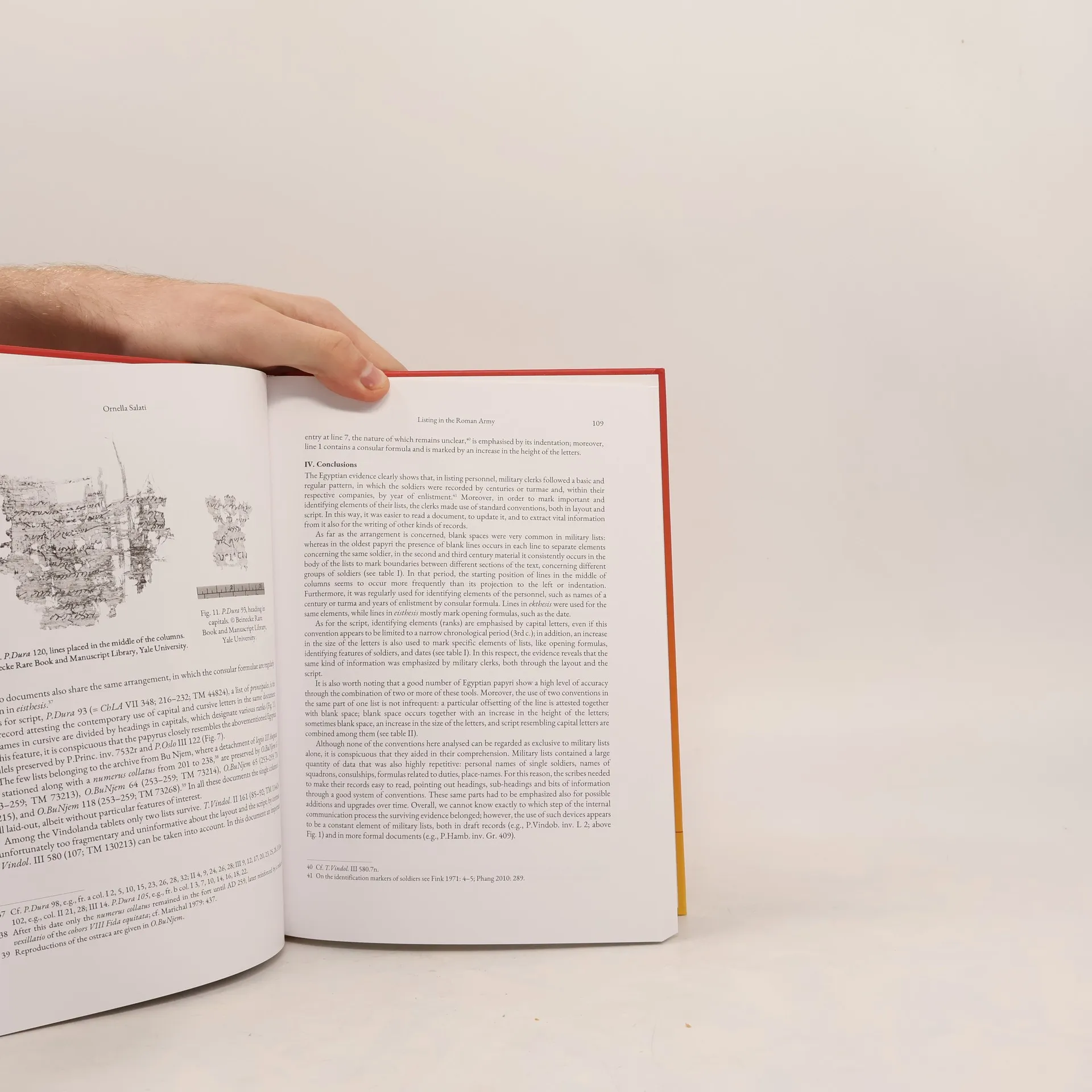
Over the course of thirteen chapters authored by specialists of Roman history, Classics, Latin linguistics, papyrology, epigraphy and Medieval studies, this volume showcases samples of Latin writing in Greco-Roman antiquity and the early Middle Ages from a range of places across and on the margins of the Mediterranean world (Britain, Italy, North Africa, Visigothic Spain, among others). Central to the book is the basic question how uniform practices and regional expression manifest themselves in materials, scripts, layout and even language. In addition to parchment manuscripts and stone inscriptions, the contributions deal with Latin writing on papyrus, wood, ceramic sherds (called "ostraca"), metal and slate. They consider how regional factors might have affected preferences for some materials; how universal documentary practice adjusted to local habits; how the acquisition of Latin as a foreign language could be aided by and reflected in the layout and design of a text; how the origin of documents might be observed in script; and how space could enshrine and enhance text.
Achat du livre
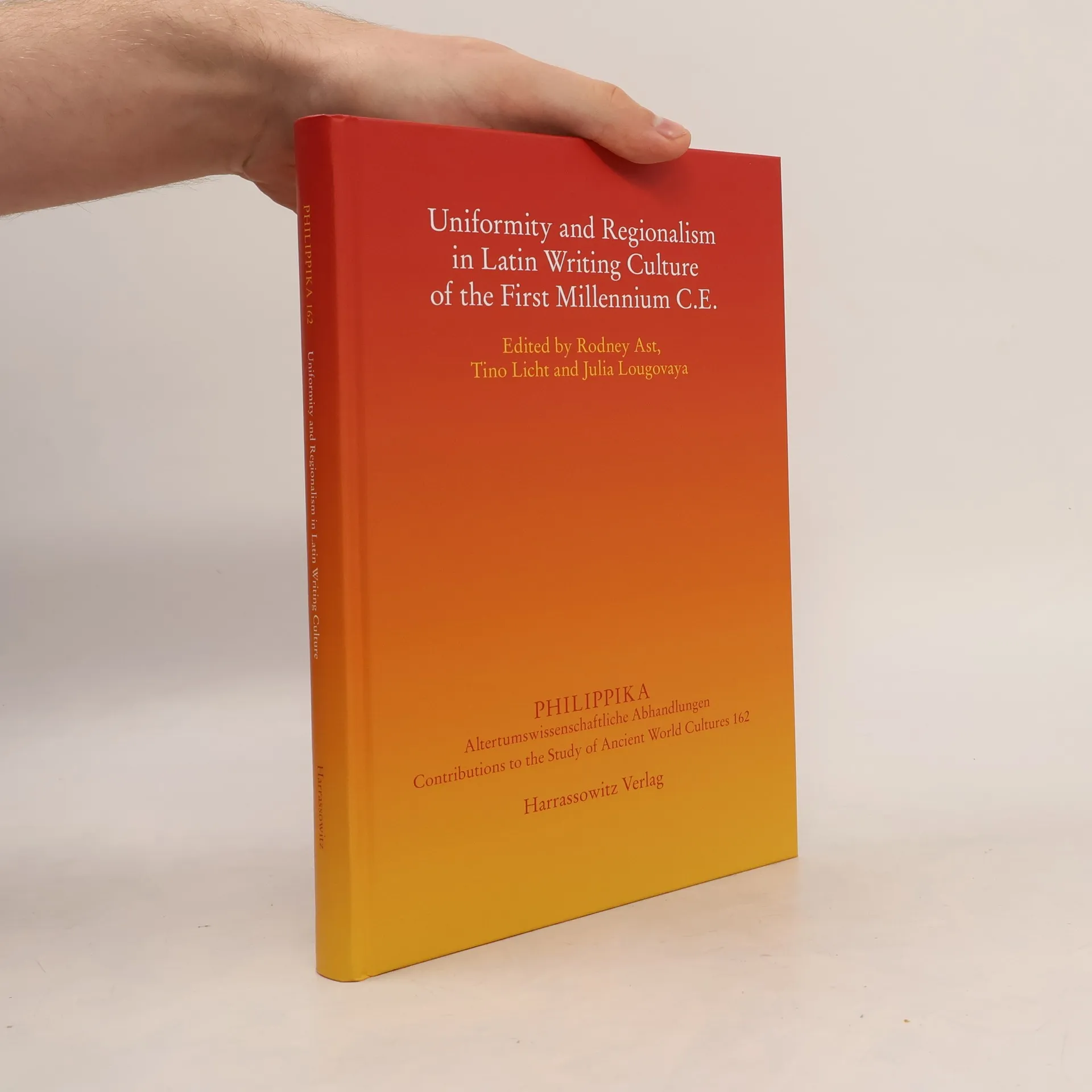
Uniformity and Regionalism in Latin Writing Culture of the First Millennium C.E., Tino Licht, Rodney Ast, Julia Lougovaya
- Langue

- Année de publication
- 2022
- Reliure
- (rigide)
Modes de paiement
Personne n'a encore évalué .
- Titre
- Uniformity and Regionalism in Latin Writing Culture of the First Millennium C.E.
- Langue
- Anglais
- Auteurs
- Tino Licht, Rodney Ast, Julia Lougovaya
- Éditeur
- Harrassowitz
- Publié
- 2022
- Format
- rigide
- Pages
- 219
- ISBN10
- 3447118881
- ISBN13
- 9783447118880
- Séries
- Mots clés
- Description
- Over the course of thirteen chapters authored by specialists of Roman history, Classics, Latin linguistics, papyrology, epigraphy and Medieval studies, this volume showcases samples of Latin writing in Greco-Roman antiquity and the early Middle Ages from a range of places across and on the margins of the Mediterranean world (Britain, Italy, North Africa, Visigothic Spain, among others). Central to the book is the basic question how uniform practices and regional expression manifest themselves in materials, scripts, layout and even language. In addition to parchment manuscripts and stone inscriptions, the contributions deal with Latin writing on papyrus, wood, ceramic sherds (called "ostraca"), metal and slate. They consider how regional factors might have affected preferences for some materials; how universal documentary practice adjusted to local habits; how the acquisition of Latin as a foreign language could be aided by and reflected in the layout and design of a text; how the origin of documents might be observed in script; and how space could enshrine and enhance text.