



Paramètres
- 1424pages
- 50 heures de lecture
En savoir plus sur le livre
Austria 1867-1955 connects the political history of the German-speaking provinces of the Habsburg Empire with the Austrian Republic that emerged in 1918. John W. Boyer illustrates modern Austria as a compelling case of democratic nation-building. The process began in 1867 under Habsburg rule, where German-speaking bourgeois Liberals defined a political people (Volk) and established a constitution, along with a liberal legal and parliamentary framework to safeguard their rights against the Crown. Over the following decades, the Liberal state's administrative and judicial institutions were solidified, and by the 1880s and 1890s, the Volk expanded to include lower bourgeois and working-class members. Unlike the Czech lands, ethnic identity was not the main factor in everyday politics; instead, social class, occupational culture, and religion played significant roles, leading to the rise of two major ideological parties, Christian Socialism and Social Democracy, in Vienna during the 1890s. The 1914/1918 war crisis shattered the Empire, accelerating the development of democratic self-governance in German-speaking Austria, formalized in the republican Constitution of 1920. Although early democratic efforts faltered in the 1920s and 1930s, culminating in the 1938 Nazi occupation, post-1945 saw the remnants of the 1918 Revolution reassemble under Allied occupation, fostering a political culture that adapted to partisanship and ultimat
Achat du livre
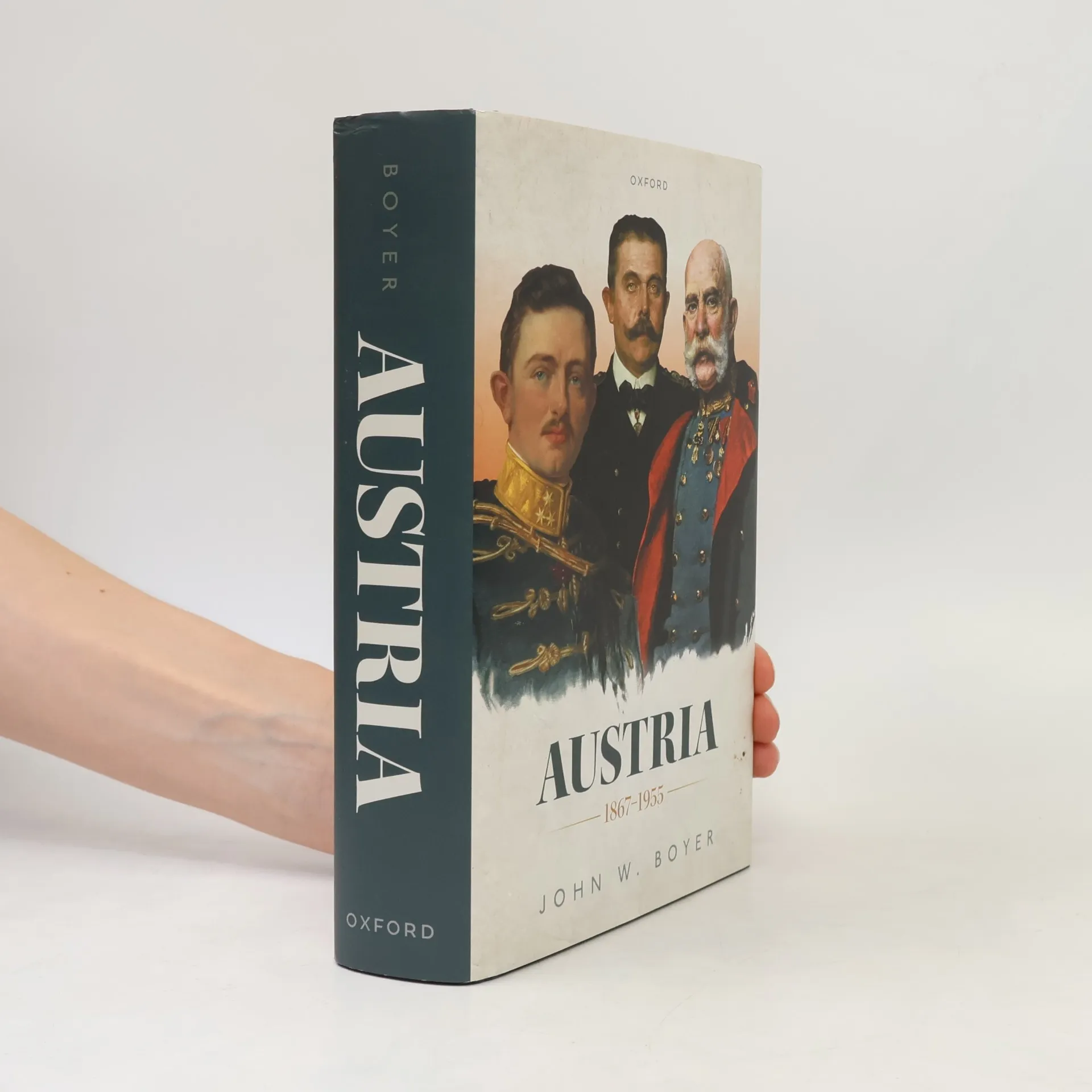
Oxford History of Modern Europe: Austria 1867-1955, John W. Boyer
- Langue

- Année de publication
- 2022
- Reliure
- (rigide)
Modes de paiement
Personne n'a encore évalué .
- Titre
- Oxford History of Modern Europe: Austria 1867-1955
- Langue
- Anglais
- Auteurs
- John W. Boyer
- Éditeur
- Oxford University Press
- Publié
- 2022
- Format
- rigide
- Pages
- 1424
- ISBN10
- 0198221290
- ISBN13
- 9780198221296
- Séries
- Mots clés
- Thème historique, Politique, 20e siècle, Europe, Histoire de l'Europe, Autriche, Théories politiques
- Description
- Austria 1867-1955 connects the political history of the German-speaking provinces of the Habsburg Empire with the Austrian Republic that emerged in 1918. John W. Boyer illustrates modern Austria as a compelling case of democratic nation-building. The process began in 1867 under Habsburg rule, where German-speaking bourgeois Liberals defined a political people (Volk) and established a constitution, along with a liberal legal and parliamentary framework to safeguard their rights against the Crown. Over the following decades, the Liberal state's administrative and judicial institutions were solidified, and by the 1880s and 1890s, the Volk expanded to include lower bourgeois and working-class members. Unlike the Czech lands, ethnic identity was not the main factor in everyday politics; instead, social class, occupational culture, and religion played significant roles, leading to the rise of two major ideological parties, Christian Socialism and Social Democracy, in Vienna during the 1890s. The 1914/1918 war crisis shattered the Empire, accelerating the development of democratic self-governance in German-speaking Austria, formalized in the republican Constitution of 1920. Although early democratic efforts faltered in the 1920s and 1930s, culminating in the 1938 Nazi occupation, post-1945 saw the remnants of the 1918 Revolution reassemble under Allied occupation, fostering a political culture that adapted to partisanship and ultimat