

Paramètres
- 209pages
- 8 heures de lecture
En savoir plus sur le livre
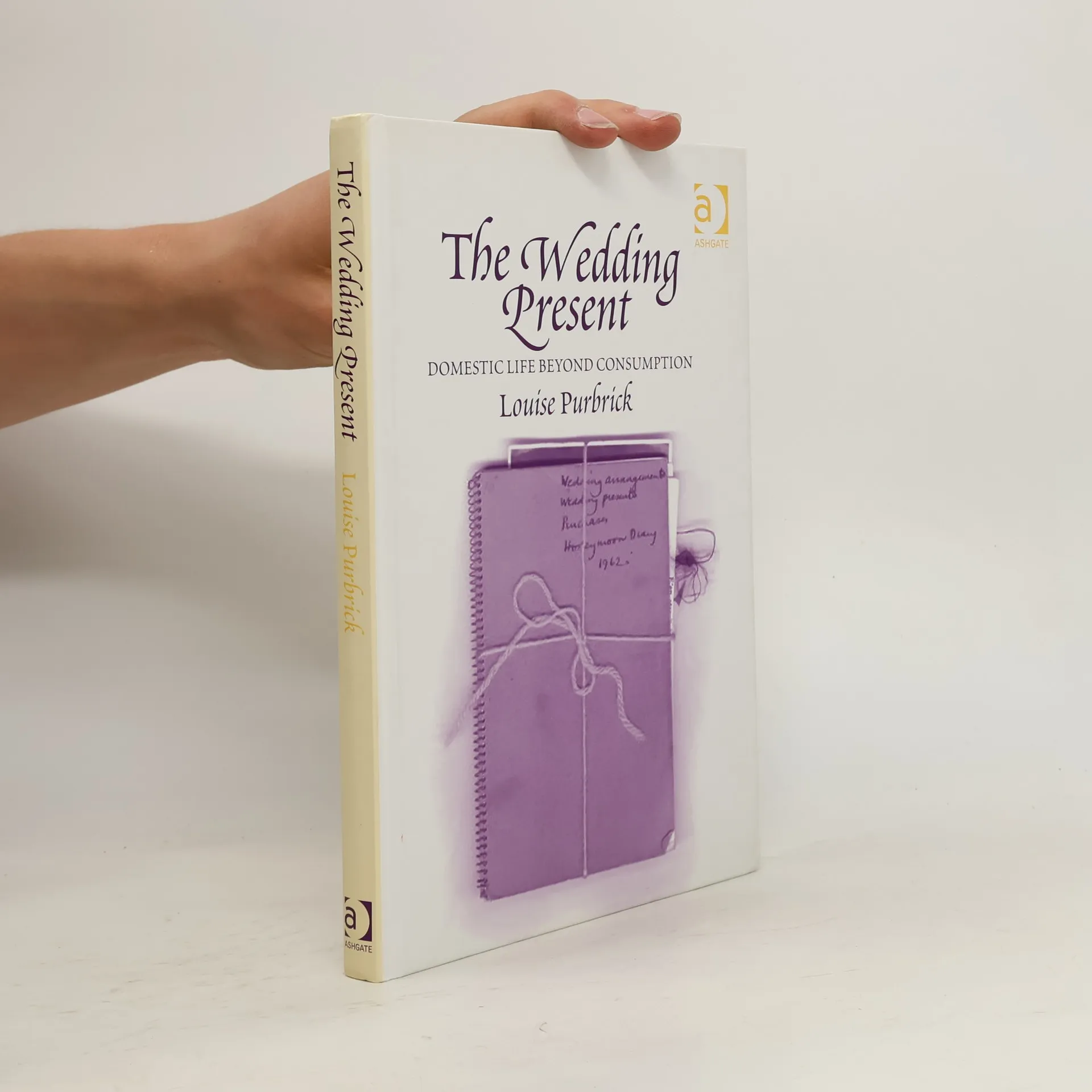
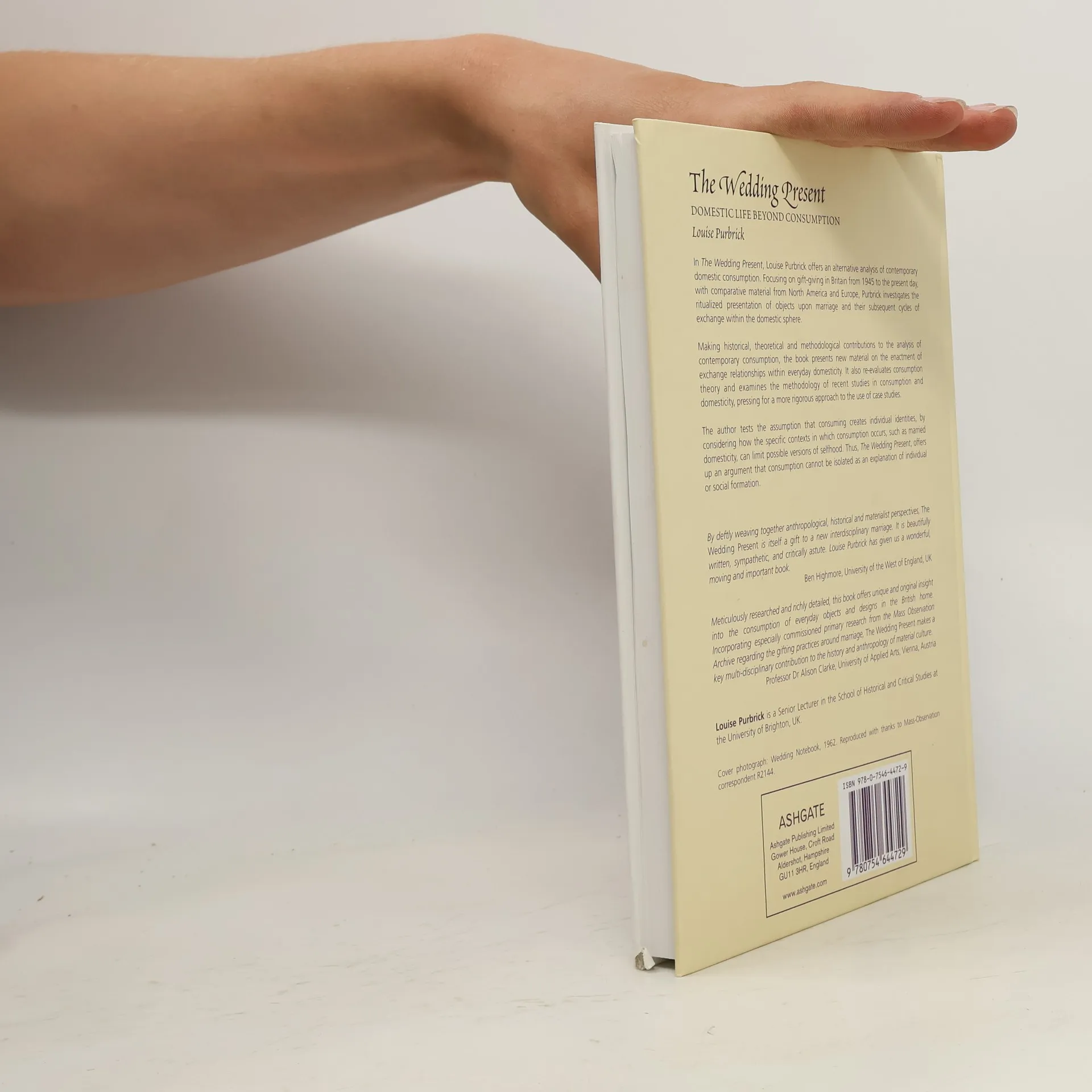
In this fascinating work, Louise Purbrick offers an alternative analysis of contemporary domestic consumption. She investigates the ritualized presentation of objects upon marriage, and their subsequent cycles of exchange within the domestic sphere. Focusing on gift-giving in Britain from 1945 to the present, comparative context is provided by material from North America and Europe. Presenting new material on the enactment of exchange relationships within everyday domesticity, the book makes significant historical, theoretical and methodological contributions to the analysis of contemporary consumption. It also re-evaluates consumption theory as well as examining the methodology of recent studies in consumption and domesticity, pressing for a more rigorous approach to the use of case studies. By considering how the specific contexts in which consumption occurs, such as married domesticity, can limit possible versions of selfhood, The Wedding Present tests the assumption that consuming creates individual identities. Thus, the book argues, consumption cannot be isolated as an explanation of individual or social formation.
Achat du livre
The Wedding Present, Louise Purbrick
- Langue

- Année de publication
- 2007
- Reliure
- (rigide),
- État du livre
- Abîmé
- Prix
- 3,58 €
Modes de paiement
Personne n'a encore évalué .
- Titre
- The Wedding Present
- Sous-titre
- Domestic Life Beyond Consumption
- Langue
- Anglais
- Auteurs
- Louise Purbrick
- Éditeur
- Routledge
- Publié
- 2007
- Format
- rigide
- Pages
- 209
- ISBN10
- 0754644723
- ISBN13
- 9780754644729
- Séries
- Catégories
- Mots clés
- Thème historique, Commerce, Manuels et guides, Culture et Société, Grande-Bretagne, Mariage, Cadeaux, Écrivains, Noces, Poisons, intoxications, Comportement des consommateurs, Matériau, Messe
- Description
- In this fascinating work, Louise Purbrick offers an alternative analysis of contemporary domestic consumption. She investigates the ritualized presentation of objects upon marriage, and their subsequent cycles of exchange within the domestic sphere. Focusing on gift-giving in Britain from 1945 to the present, comparative context is provided by material from North America and Europe. Presenting new material on the enactment of exchange relationships within everyday domesticity, the book makes significant historical, theoretical and methodological contributions to the analysis of contemporary consumption. It also re-evaluates consumption theory as well as examining the methodology of recent studies in consumption and domesticity, pressing for a more rigorous approach to the use of case studies. By considering how the specific contexts in which consumption occurs, such as married domesticity, can limit possible versions of selfhood, The Wedding Present tests the assumption that consuming creates individual identities. Thus, the book argues, consumption cannot be isolated as an explanation of individual or social formation.